Two-Week Vietnam Itinerary: North to South for First-timers
This two week Vietnam itinerary, let’s you uncover the best of the country’s culture, cuisine, and cities. Dine from the iconic mini plastic stools on street corners, feel the buzz of Vietnam’s punchy Robusta coffee, and experience the perfect introduction to this spellbinding spot in Southeast Asia.
This post may contain affiliate links.
If you choose to purchase I may receive a small commission at no additional cost to you. By using these links, you are supporting the ability for me to continue creating content for this site and its running costs.
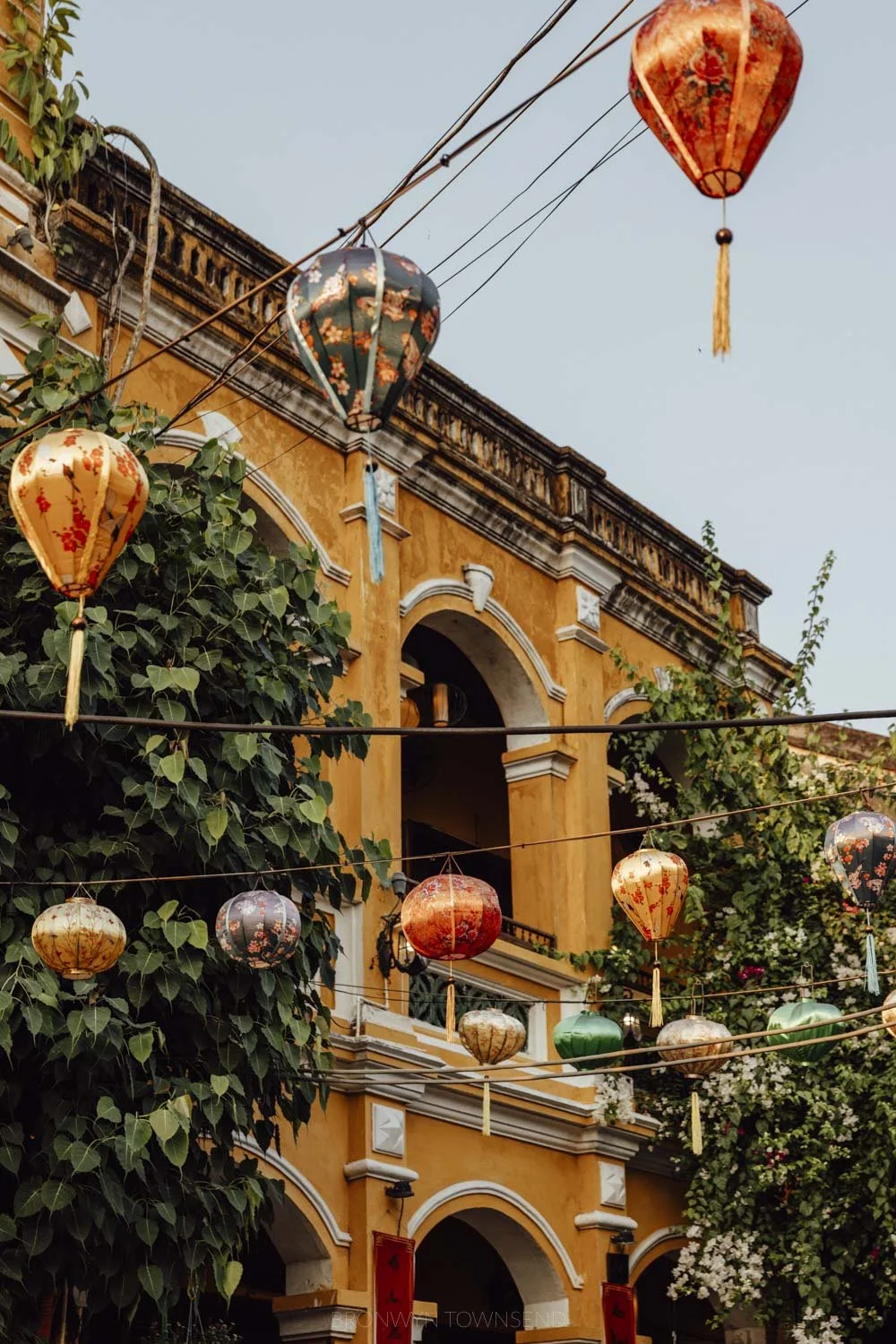
I remember the moment I settled on wanting to visit Vietnam. Unsurprisingly it was a photo of Hoi An. The mustard yellow walls, the bougainvillea overhanging streets, and the lantern-strewn corners were all I needed to know I needed to visit.
Vietnam’s vibrancy is deeper than its colourful exteriors. It’s found in its cuisine. In its history. And in the expansive natural landscapes. Rice paddies transition into thick forests with some of the world’s most endangered monkeys, cities hum with energy from dawn until dusk, and an idyllic coastline.
As a first-timer in Vietnam, two weeks was the perfect introduction and just enough time for a well-paced trip from north to south - because Vietnam is a long, thin country and bigger than you might expect!
Covering the cultural and historical epicentre of Hanoi, the ever-popular Hoi An, and former Dynasty Citadel in Hue, to the modern metropolis of Ho Chi Minh City, it’s a great first taste of what Vietnam can offer.
While you won’t be able to cover everything by any means, this covers the places most visitors want to experience. I’ve included plenty of personal recommendations from coffee shops and dining spots, to tours and attractions. So, let’s get to it!
2 Weeks in Vietnam: Itinerary Overview
Days 1-3 | Hanoi
Days 4-8 | Hoi An, My Son Sanctuary, and Son Tra Peninsula
Day 9 | Hai Van Pass
Days 10-11 | Hue
Days 12-14 | Ho Chi Minh City
The best two-week Vietnam itinerary for first-timers
Day 1 | Explore Hanoi Old Quarter
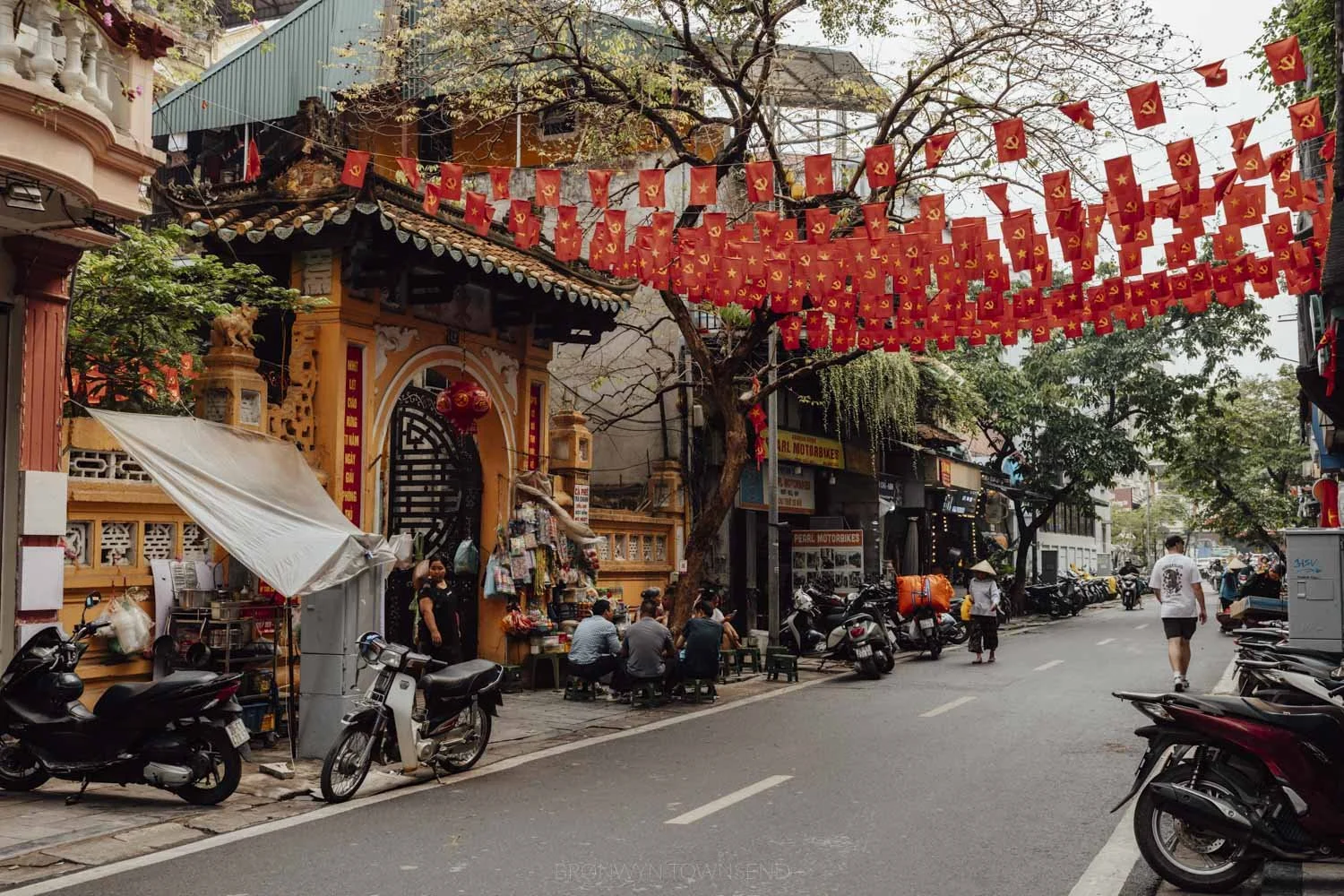
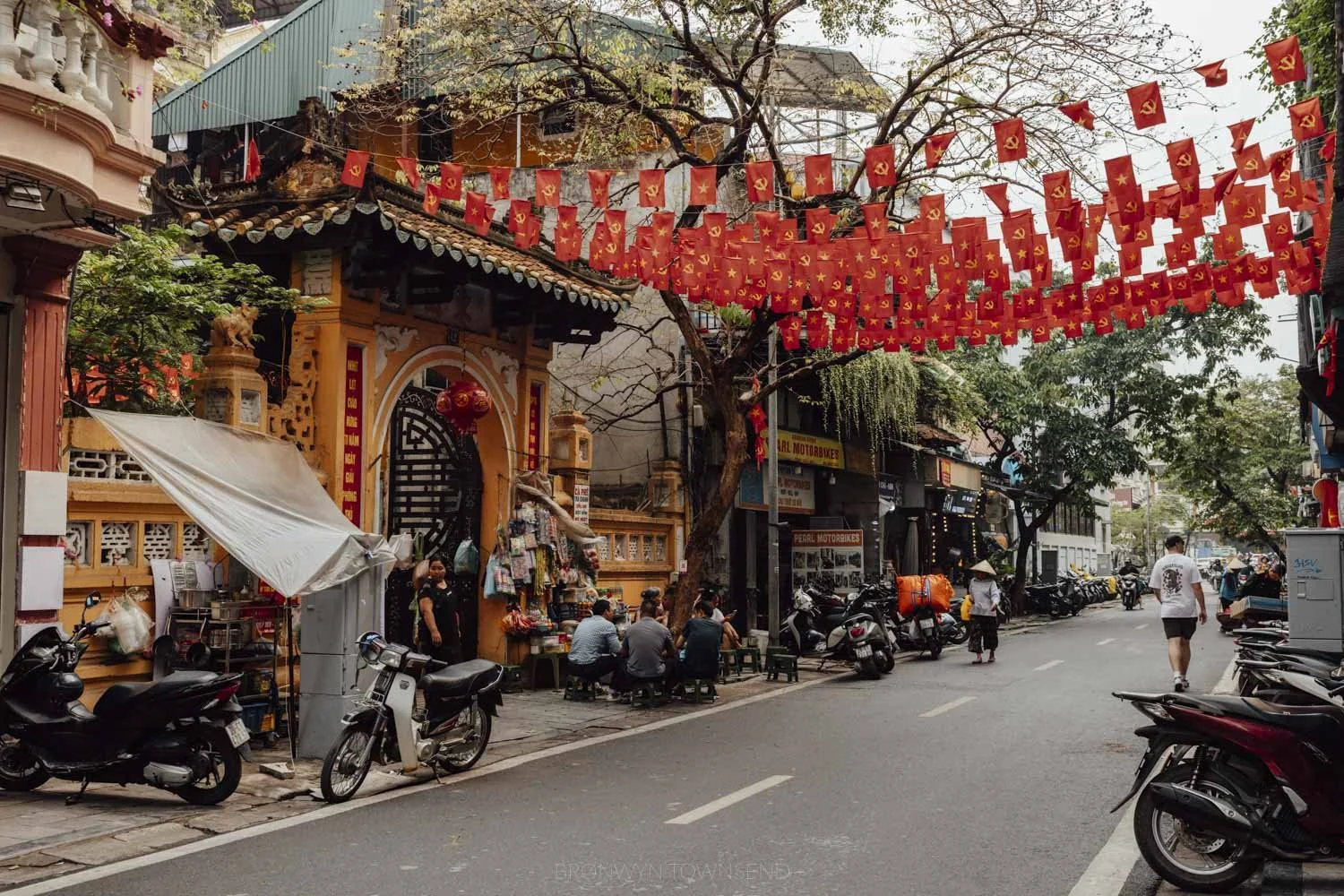
Hanoi is a sensory feast. Motorbikes whizz by, street vendors rove from dawn until dusk, and the sights, sounds, and smells of Vietnam’s capital tease at every corner.
There is no better place to get acquainted with Hanoi than the Old Quarter. Consisting of 36 streets, each designated to a trade, this is where life spills onto the footpaths. I recommend spending time simply wandering the thousand-year-old pocket of the city.
Characterised by its blend of traditional Vietnamese and French Colonial architecture, narrow tube house facades can often expand into another world, where cafes are stacked above merchant stores and coffee house courtyards are an escape from the cacophony beyond their walls.
Start your morning with a steaming bowl of Pho. There are plenty of spots around town, but my pick is My Pho or Pho Ga Nguyet. Now you’re ready and fueled for a morning of exploring.
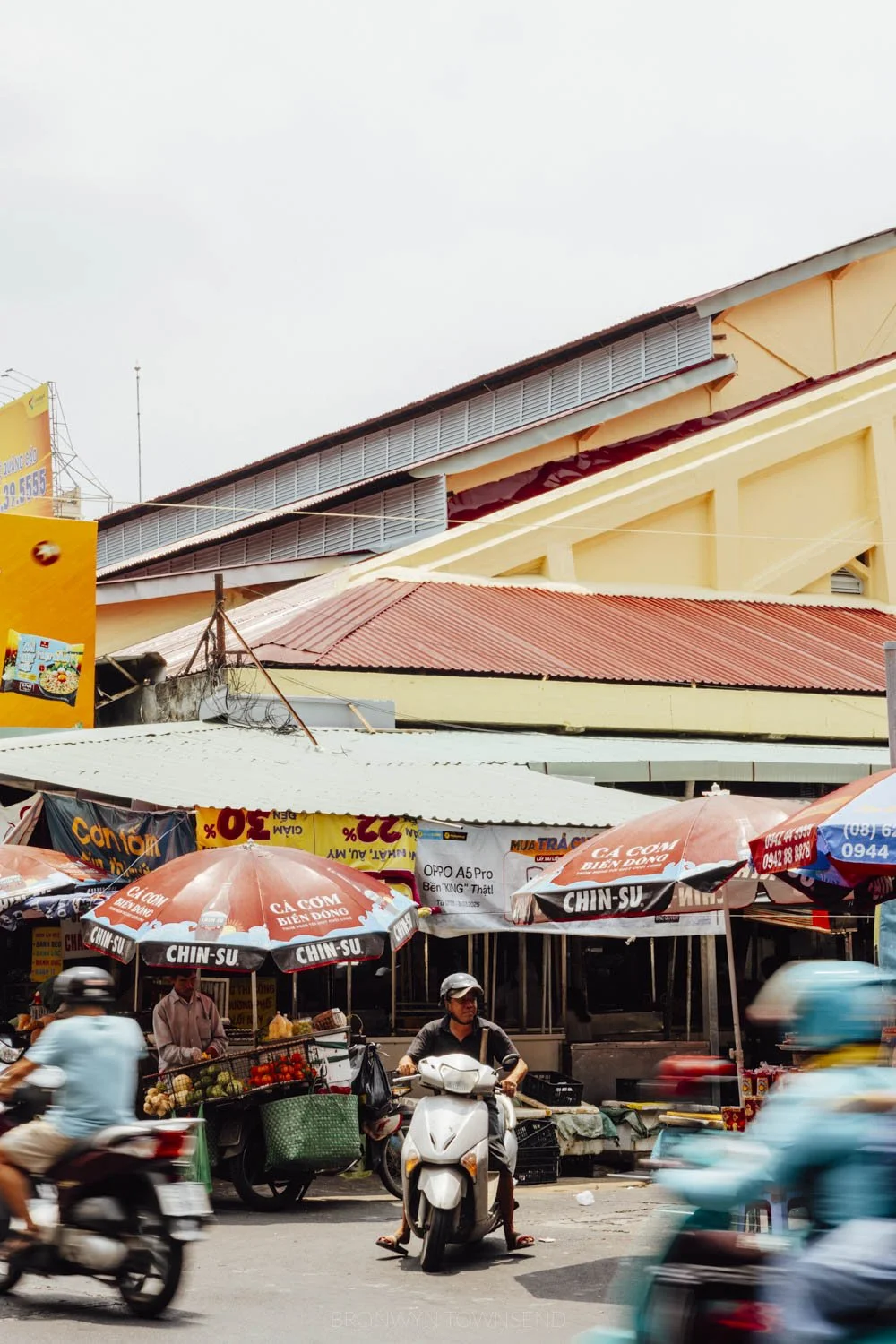
Make your way north, meandering the 36 streets, with special note to stop at Hang Gai for silk, Hang Ma for paper, and Hang Bac for silver and jewellery. Eventually, find yourself in the bustling Thien Thuat Market. Colourful stacks of fresh produce, cartons of eggs stacked high, and billowing smoke from charcoal grills are set to the soundtrack of motorists' beeps and morning chatter.
Nearby, you can pop into Dong Xuan Market for some shopping. By now, it’s time for an egg coffee, a Hanoi must.
The unique drink was born out of necessity after a shortage of milk in the 1940s led one cafe owner to find an alternative way to make Vietnam’s delicious robusta coffee creamy. Whipping up egg yolks with condensed milk and topped over black coffee, it’s a tiramisu-like flavour and absolutely delicious. While Cafe Giang is popular as it was the birthplace of egg coffee, my favourites were at C.O.C Speciality Coffee and Loading T Cafe.
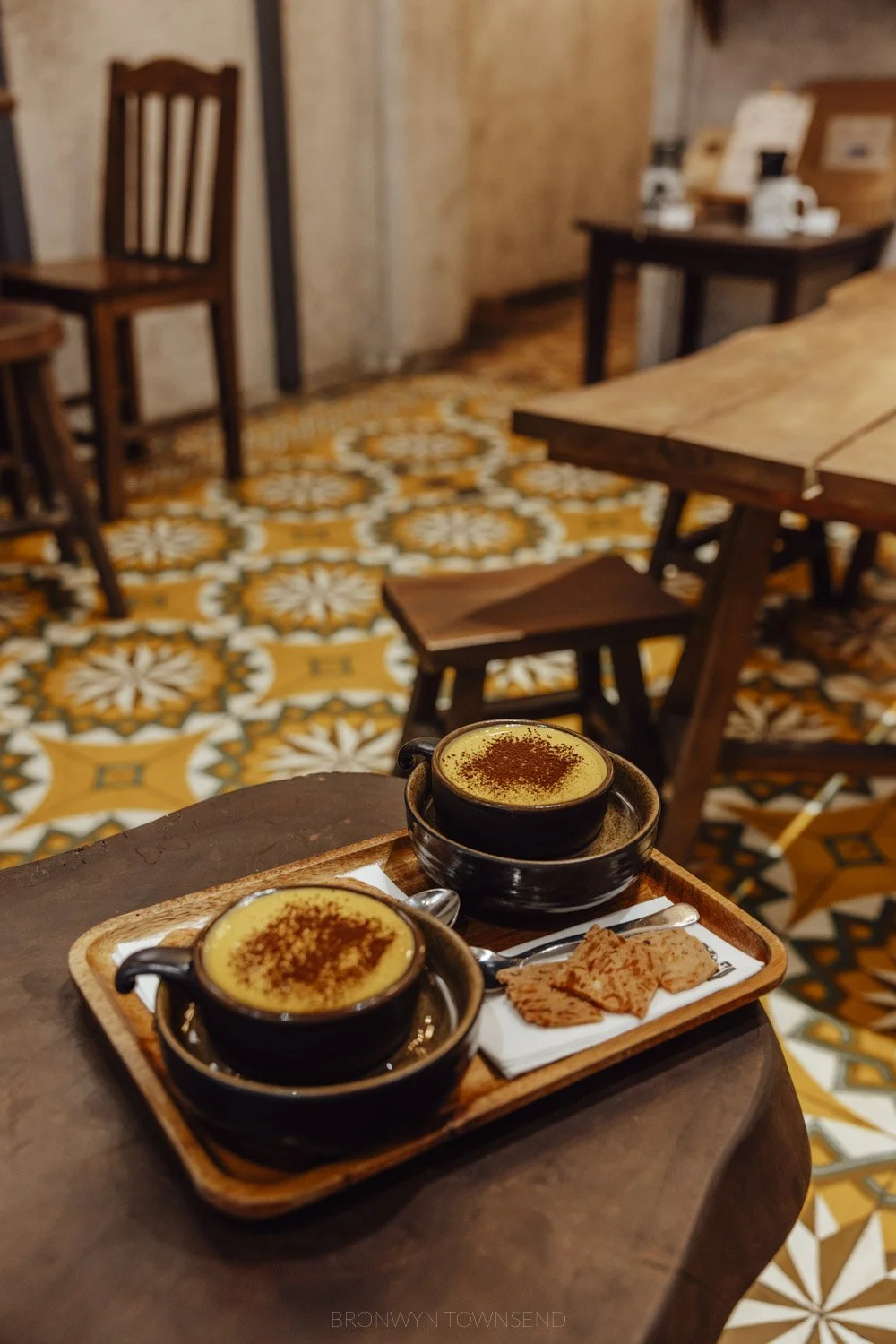
Egg coffee at C.O.C Specialty Coffee
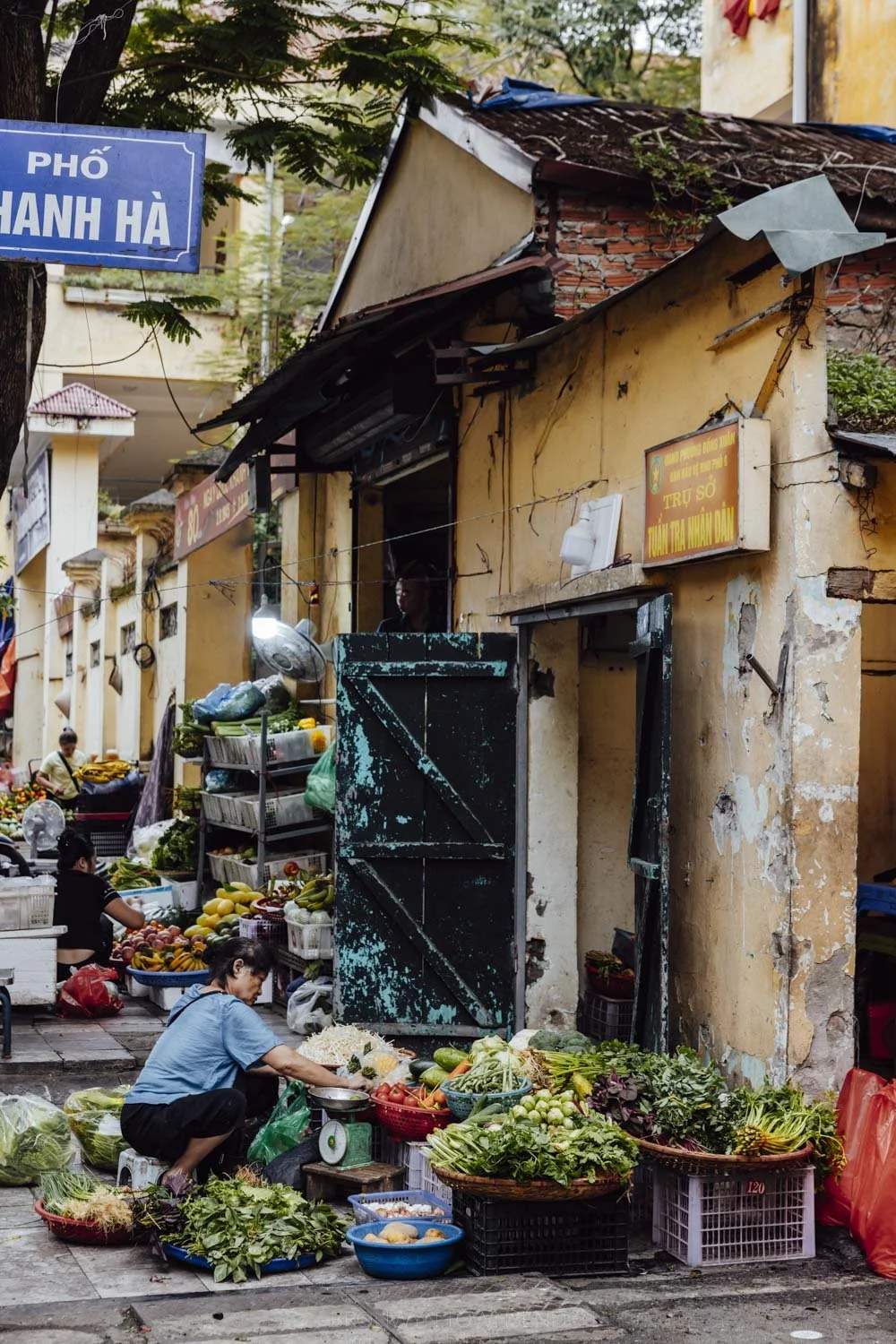
Hanoi Markets
For lunch, you can either grab a Banh Mi from anywhere that takes your fancy or try Banh Xeo at the Michelin-recommended Bib Gourmand spot, My Bay Mien Tay. It’s a crispy savoury rice pancake with fillings like shrimp or chicken, wrapped in rice paper.
For the afternoon, spend time around Hoan Kiem Lake. On your way, stop by St Joseph’s Cathedral, then take a lap around the lake before visiting Ngoc Son Temple. Cross the famous red Huc Bridge, and into the small island housing several small temple buildings with traditional features, including terracotta roofs and upswept eaves.
Stop for sundowners at one of the local cafes or watch the world go by sipping a beer on a small plastic stool. For dinner, the unassuming Bun Cha 72 Hang Quat is a must. There are just two things on the menu, Bun Cha and crispy fried pork spring rolls. Tucked down a narrow alley, it feels like dining in grandma’s living room and the food is incredible.
If you’re in Hanoi on a Friday, Saturday, or Sunday evening, stop by the night market that runs from Hang Dao Street to the front of Dong Xuan Market.
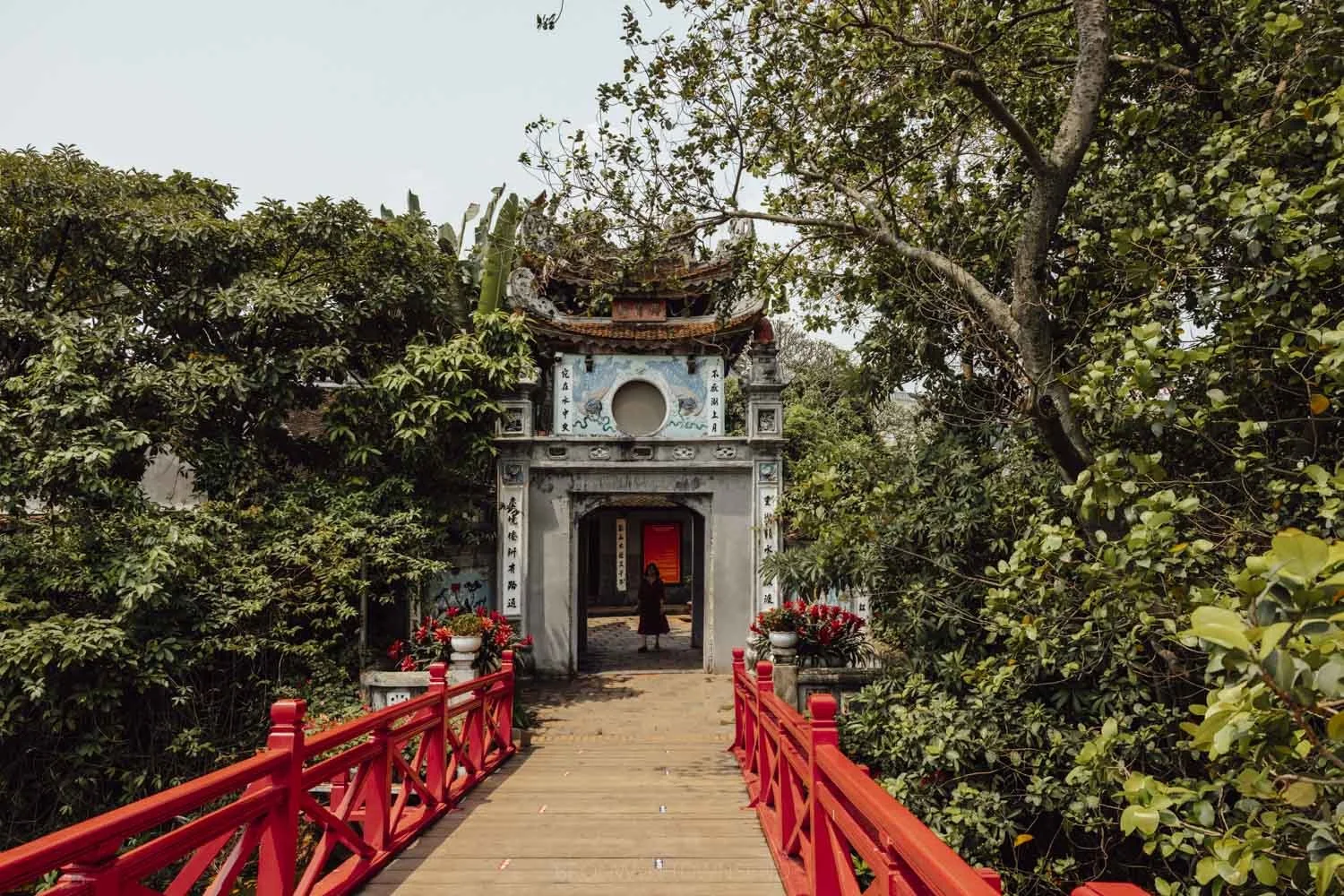
View of Ngoc Son Temple from Huc Bridge
Day 2 | Ho Chi Minh District
Skip pho this morning and head straight to Banh Cuon Ba Xuan for breakfast. A local spot serving Vietnamese steamed rolls with minced pork and black fungus, it’s Michelin-recommended for a reason.
The first sightseeing spot today is the Temple of Literature. A large, leafy complex established in 1070 to honor the Chinese Philosopher Confucius and scholars of his teachings, it was also Vietnam’s first university. I’d allow around an hour or two here to explore the gardens, traditional Vietnamese architecture, and learn more about the history. This is one of my favourite spots in Hanoi, the way the giant vined-wrapped trees are intertwined with the human-made elements is divine.
Nearby, make a reservation for Tam Vi. A Michelin-starred restaurant serving modern Vietnamese cuisine. And the great news is it’s one of the most affordable Michelin-starred restaurants in the world, and several dishes plus drinks for two of us were less than AU$50.
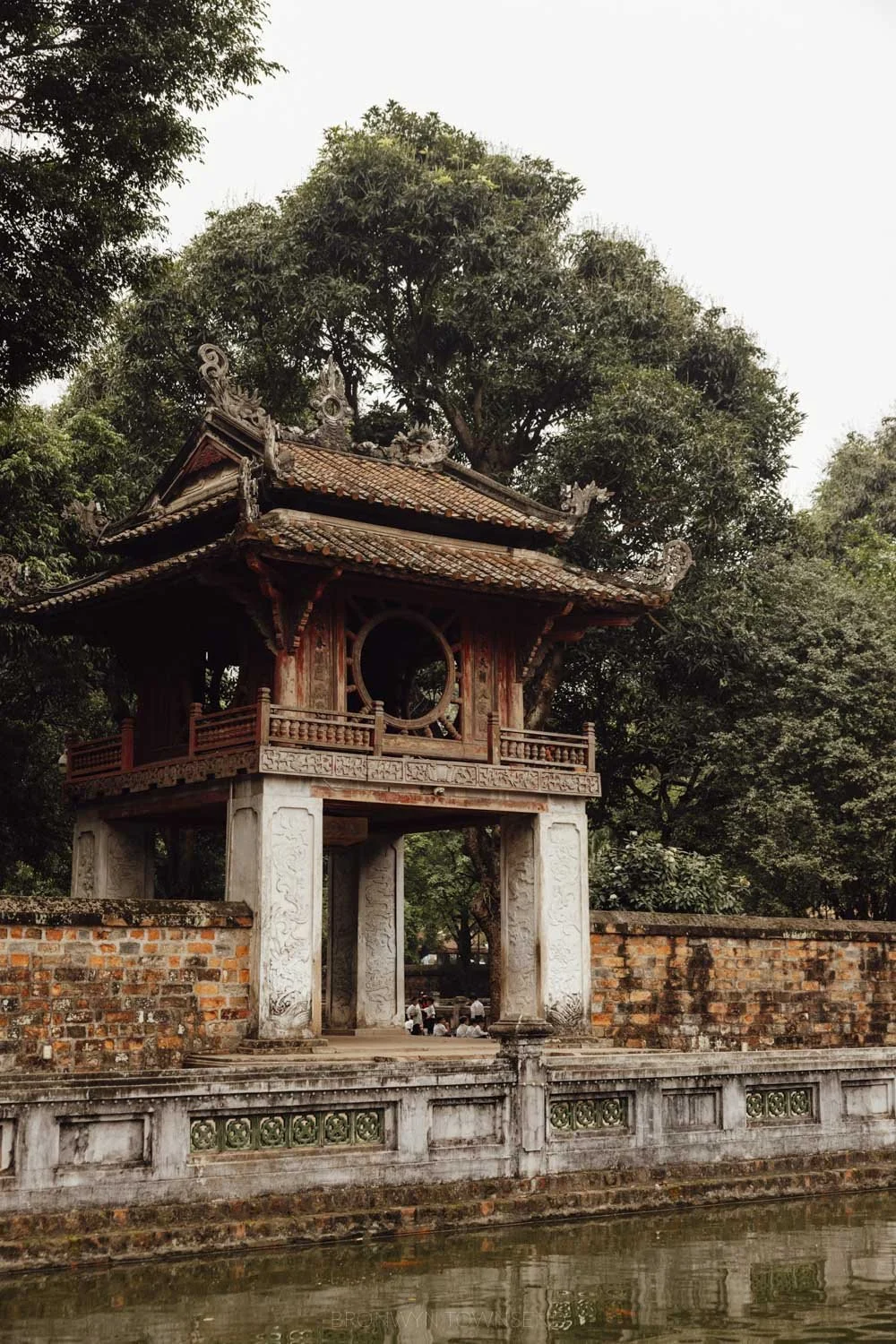
Temple of Literature
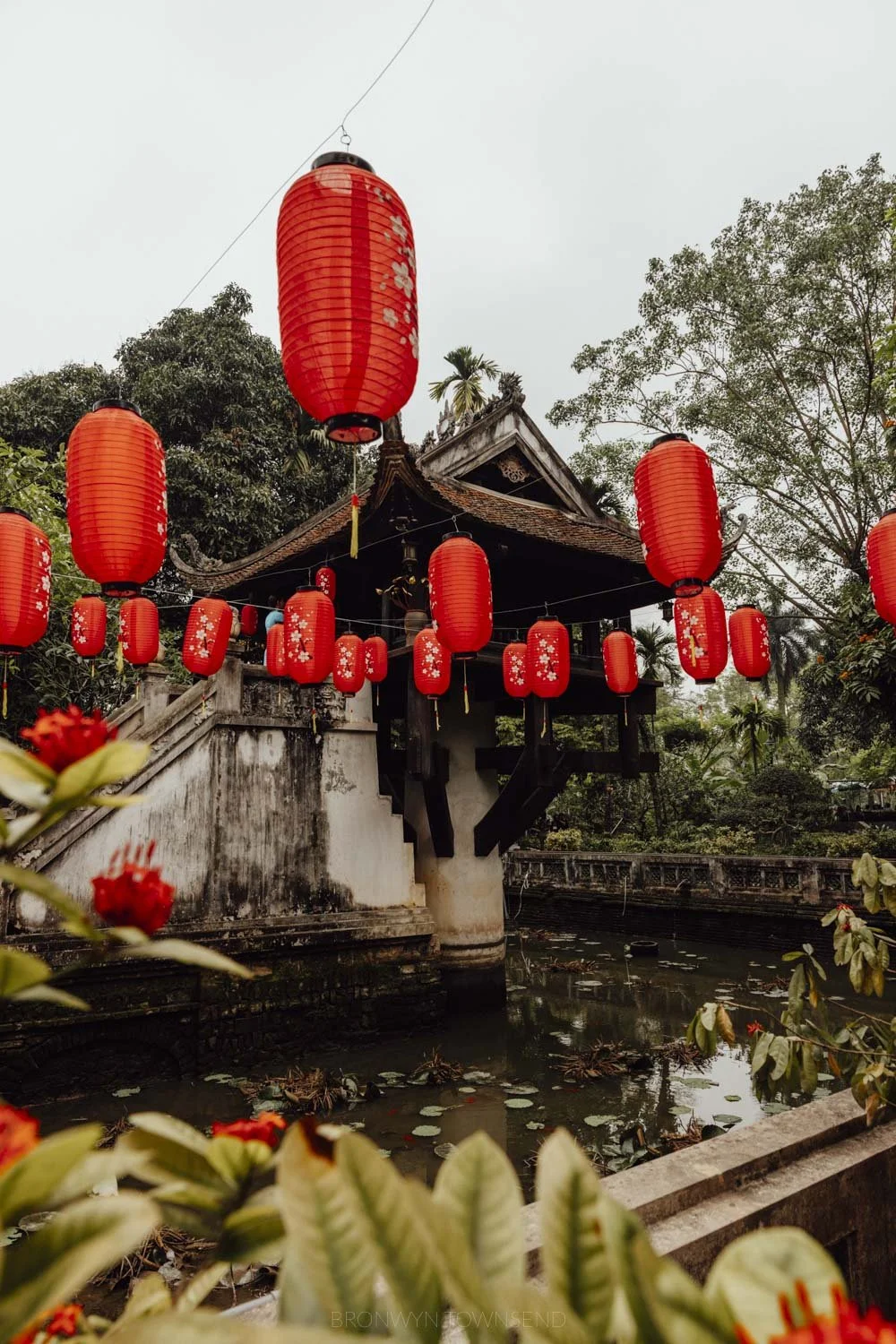
One pillar pagoda, Ho Chi Minh Precinct
Then, head to the Ho Chi Minh precinct. This is where you’ll find the Ho Chi Minh Mausoleum, where you can visit the embalmed body of Ho Chi Minh, as well as the Presidential Palace, Ho Chi Minh’s stilt house, and finally the Ho Chi Minh Museum. You can easily explore these at your own pace, and choose which sites you want to visit based on your interests. I’d allow 2-3 hours here. Note that the Mausoleum is closed on Monday afternoons.
For your final sightseeing stop, walk over to the Citadel of Thang Long. Continually used for 13 centuries as the centre of political power for the region, including during the French Colonial and Vietnam War periods, it’s worth a wander through the grounds and several points of interest on site.
Doan Mon Gate is the most iconic, but the D67 House and Bunker were also insightful, offering a glimpse into where the Vietnam Communist Party devised strategies during the war. Despite the expansive grounds, you can expect to spend under an hour here.
Head back to the Old Quarter and relax at Ta Coffee. Their courtyard is completely hidden from the hustle and bustle that shape Hanoi’s lively streets, and the salt cloud coffee is the perfect afternoon pick-me-up.
For dinner, grab the beef noodle salad at Bún Bò Nam Bộ Bách Phương. Then cross the road for dessert at Loc Tai House for Che, a local Vietnamese dessert served as hot or cold sweet soup with fruits and jelly - it was so good we had to return twice while in Hanoi.
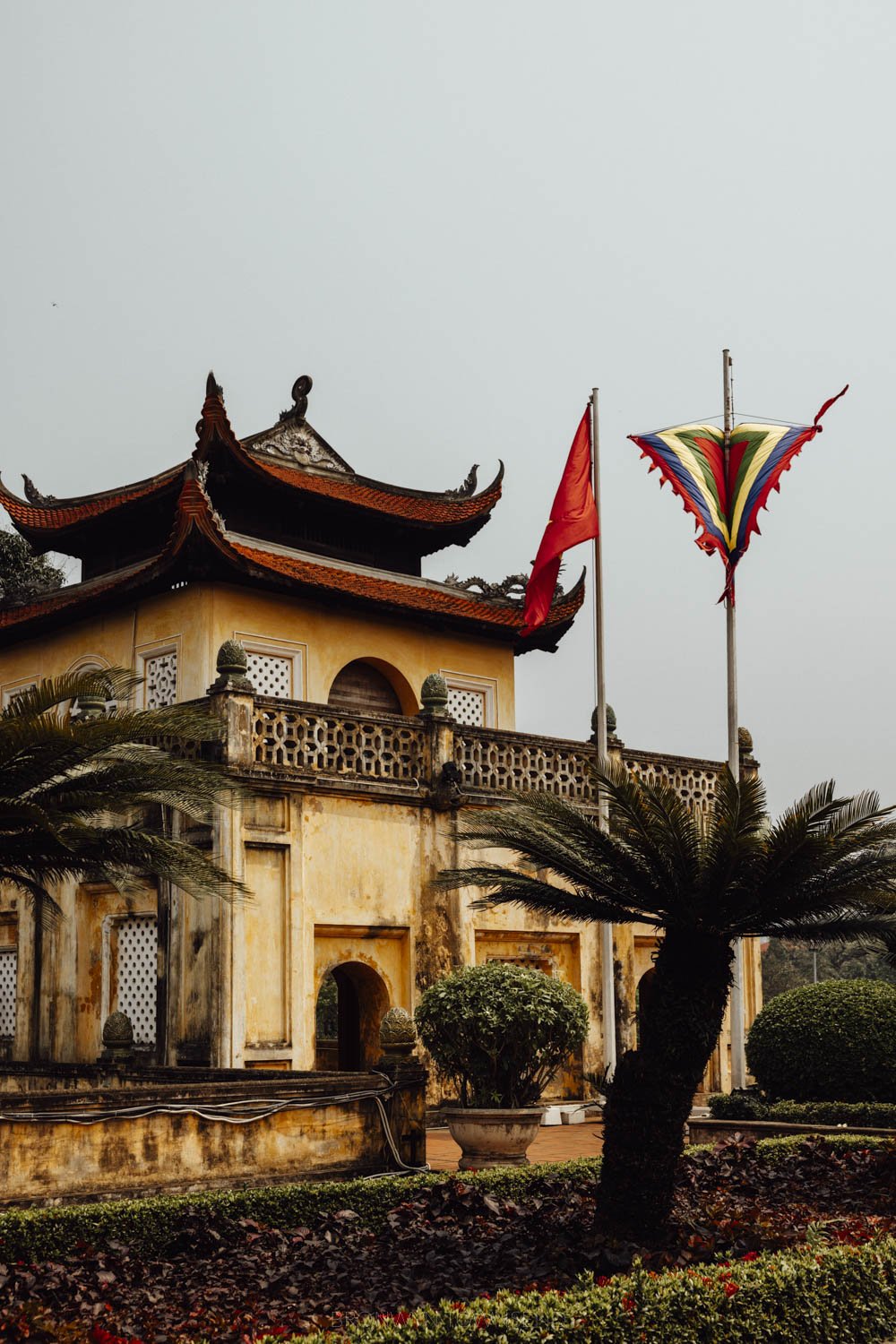
Citadel of Thang Long
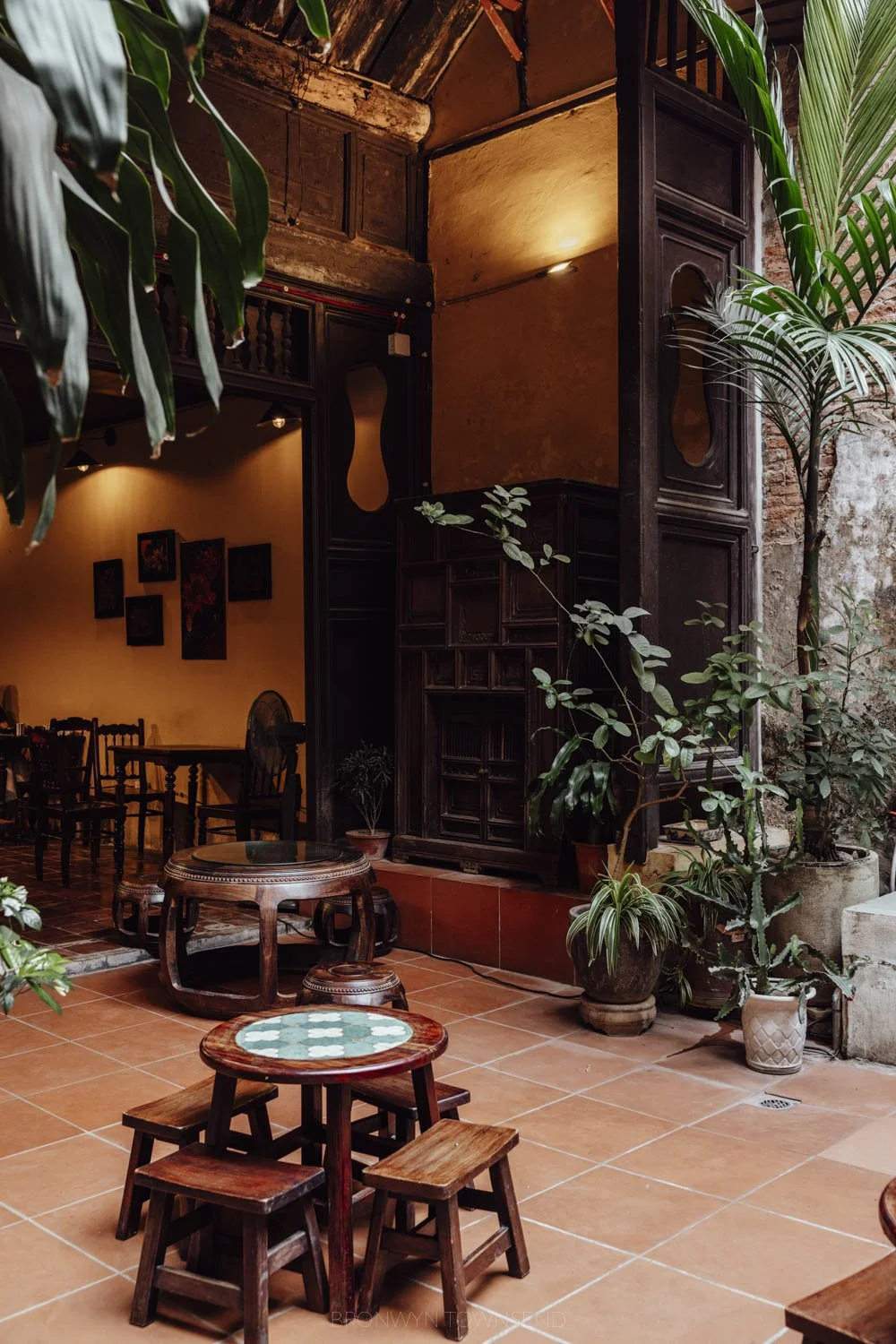
Courtyard at Ta Coffee
Day 3 | Finish Exploring Hanoi
Grab a hotel breakfast, or skip it and go straight to Train Street and grab a steaming bowl of pho there instead. While it might be touristy, Train Street is still a cool experience and quite unique. Visiting in the morning is also quieter, and it’s easier to find a place to watch the trains pass by. Just keep in mind not everywhere is open.
We caught two trains while we sipped coconut coffees (8:50am and 9:30am) and loved it. We also returned another evening, just for a totally different vibe. Coffee 74 and Railway Tuan cafe were both open early morning and had great views of the passing trains. These are both located at the north end of Train Street, which is typically busier and more regulated by guards. If you’d prefer something more low-key, then try Hanoi 1990s or Little Forest Cafe at the southern end.
After that, head down to Hoa Lo Prison. Built during the French Colonial period and opened in 1896, it was designed to imprison Vietnamese revolutionaries that were fighting for independence. Later, it housed American prisoners of war during the Vietnam War and earned the nickname ‘Hanoi Hilton’. The exhibits showcase the conditions prisoners faced, and is an eye-opening view into Vietnam’s anti-colonial struggles.
If you want a coffee or matcha nearby, I recommend a stop at 8 Coffee by Toka. For lunch, Banh Mi Mama is a short walk away.
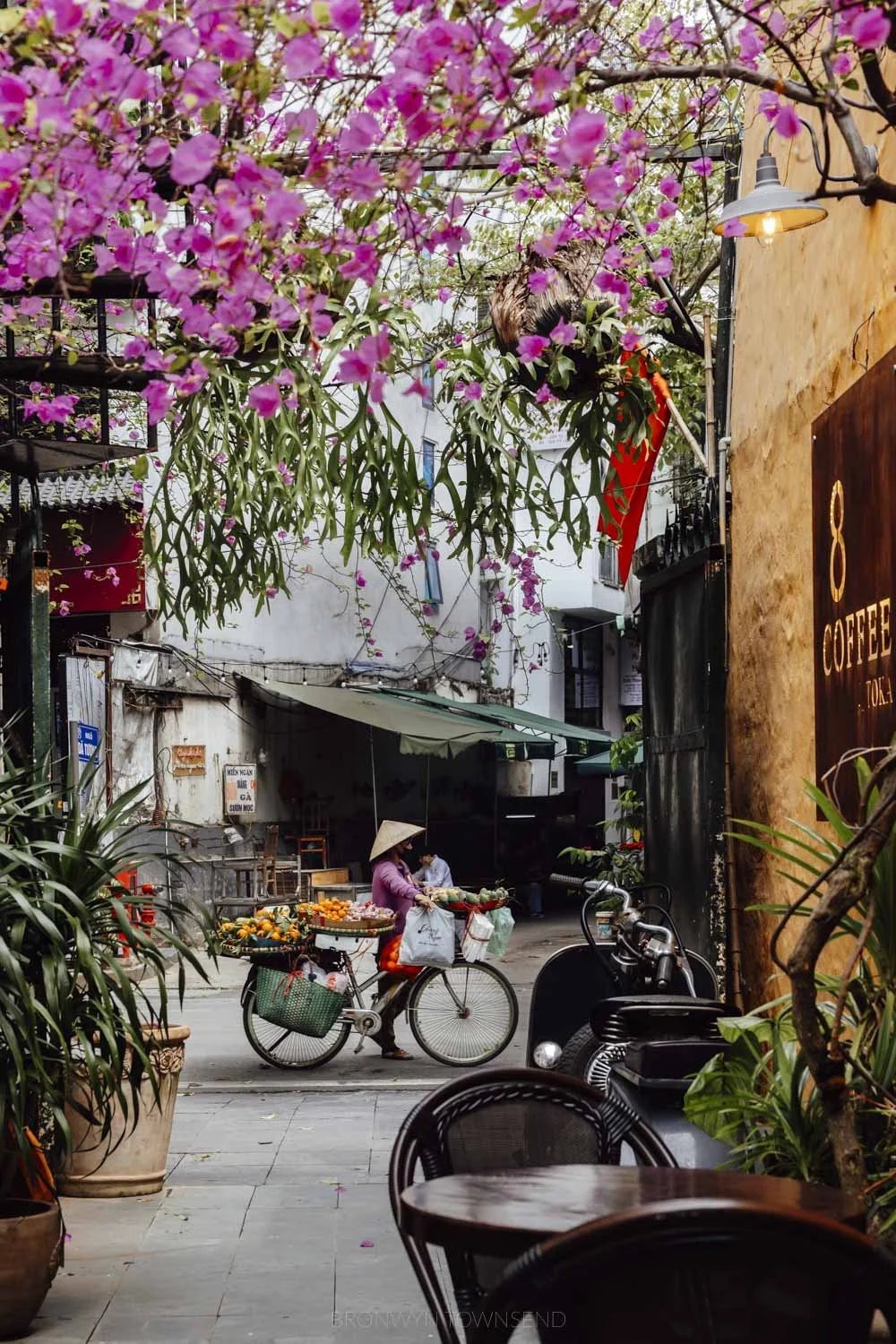
Courtyard at 8 Coffee by Toka
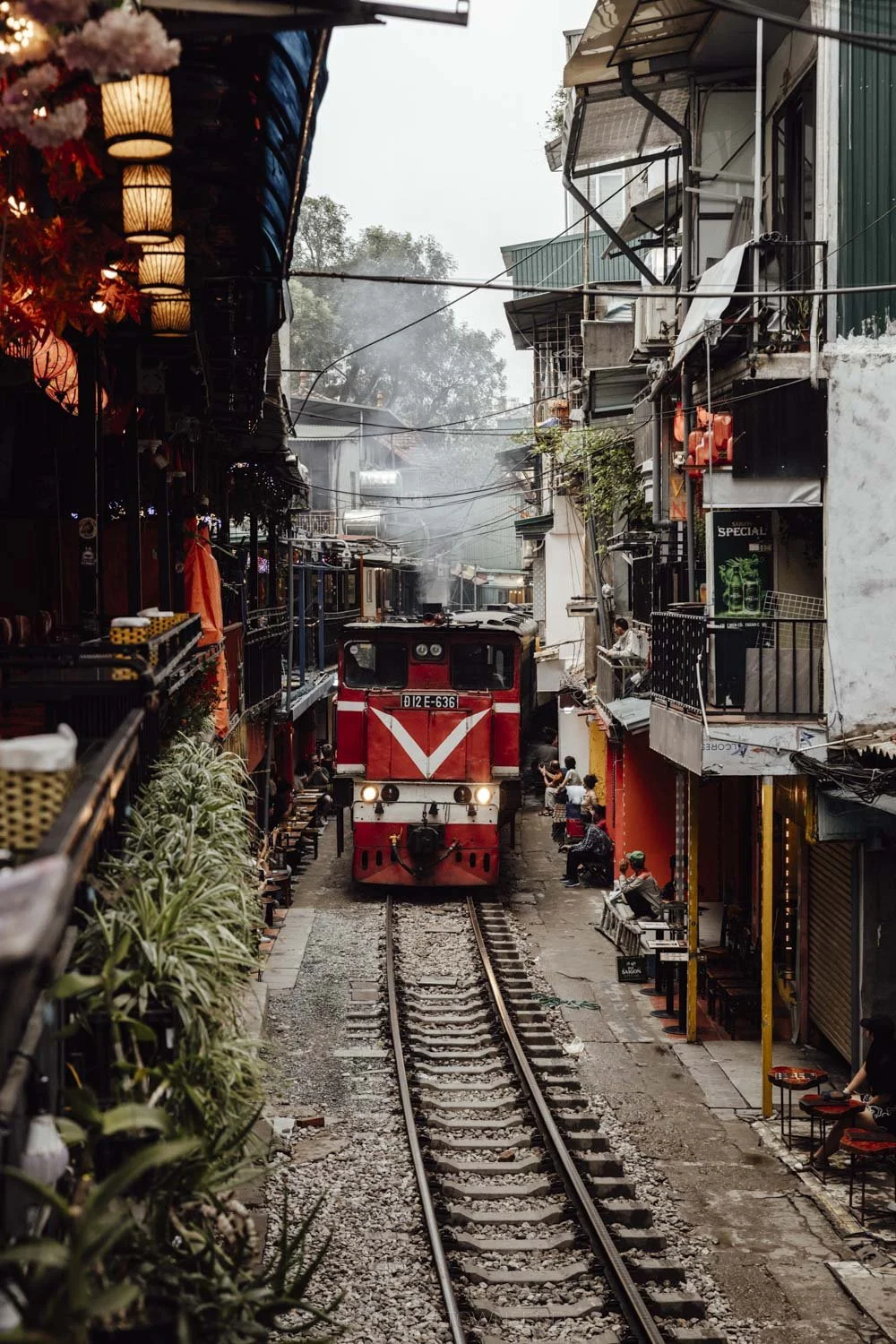
View from 74 Coffee on Train Street
Your final afternoon in Hanoi could be spent a couple of ways. Foodies looking to make the most of hanoi’s incredible street food scene should join a guided food tour. You won’t be hungry by the end of it.
Alternatively, if you’re a pottery or arts lover like me, a trip out to Bat Trang Pottery Village is a great afternoon away from the crowds. With a 700-year heritage dating back to the Ly Dynasty, this area of Hanoi has been the epicentre of handmade ceramics in Vietnam, supplying households and the royal court.
The Bat Trang Pottery Museum’s building is a unique turntable house design and showcases the history of pottery in the area. There’s also a selection of workshops and tours available. A 5-minute walk away, the ceramics market is a cluster of porcelain and ceramics from small servingware and vases to enormous decorative pots and sculptural pieces. I doubt you’ll leave here empty handed, because we certainly didn’t.
For your final evening in Hanoi, head to Viet Restaurant for an upscale dining experience, or stop by one of the many street food options for something low-key.
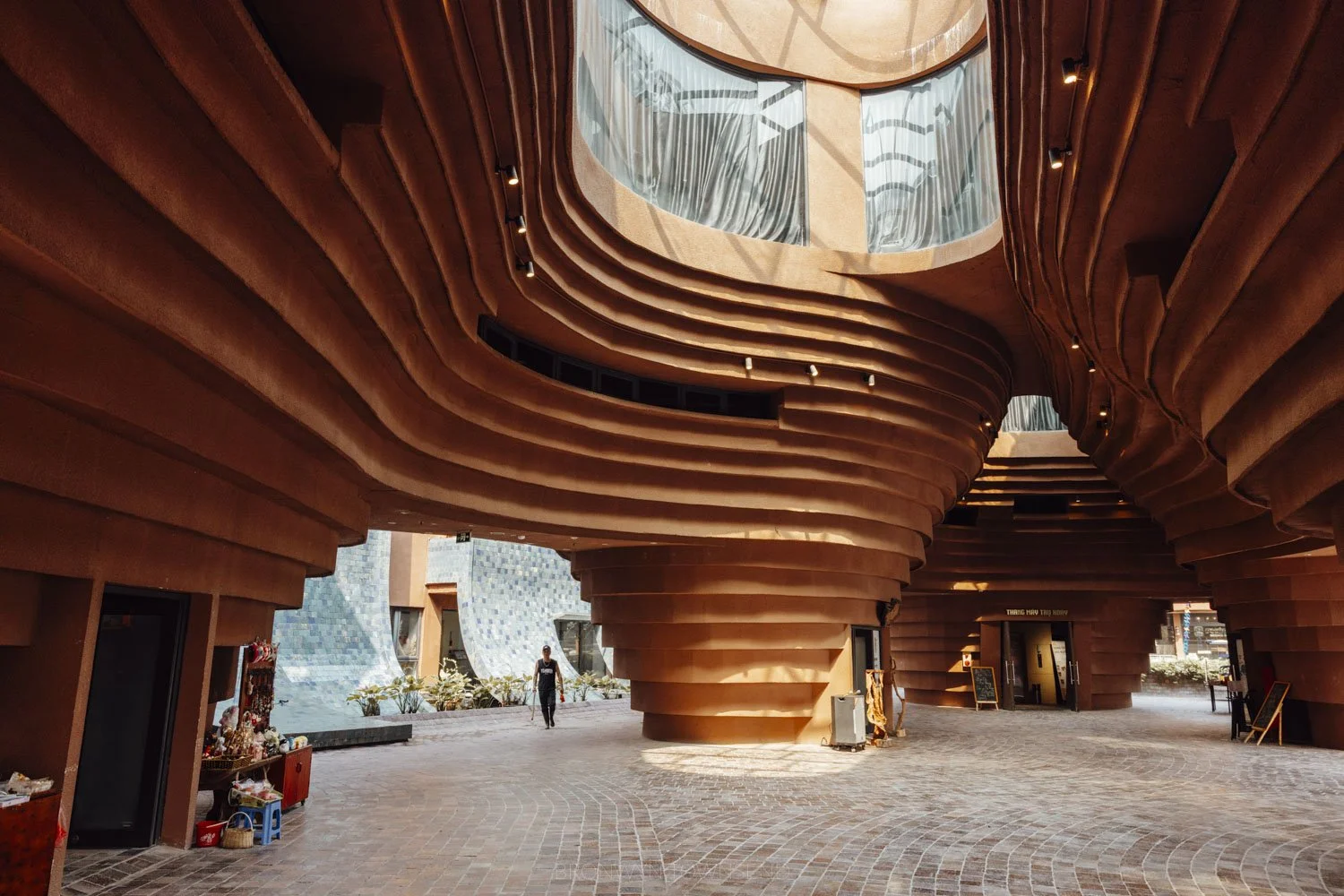
Bat Trang Pottery Museum
Days 4-7 | Hoi An, My Son Sanctuary, and Son Tra Peninsula
Day 4 | Hanoi to Hoi An
Book a morning flight from Hanoi to Da Nang, which is the closest airport to Hoi An. From there, book a grab or arrange a transfer to your accommodation in Hoi An. I recommend The Signature Hoi An, on the fringe of the Old Town walking area.
Hoi An is the place that first drew me to visit Vietnam. Its saffron yellow buildings and lantern-lit streets were what photography dreams are made of. It’s why I also suggested it as a base for a few days in this itinerary, because it’s best explored, and rightfully deserves, more than a day trip.
As it’s mostly a travel day, take things slow and either unwind by your hotel pool before heading out for sundowners and dinner to take a slow stroll along the Thu Bon River. Ready for another Vietnamese coffee? Moments Hoi An serves a great Caphe Bac Xiu, robusta phin coffee with condensed milk and fresh milk, served over ice.
For dinner, Nu Eatery offers European-Asian fusion, blending flavours in a selection of small plates from pork belly bao to juicy pork meatballs in a fragrant tomato sauce, and eggplant miso rice bowls.
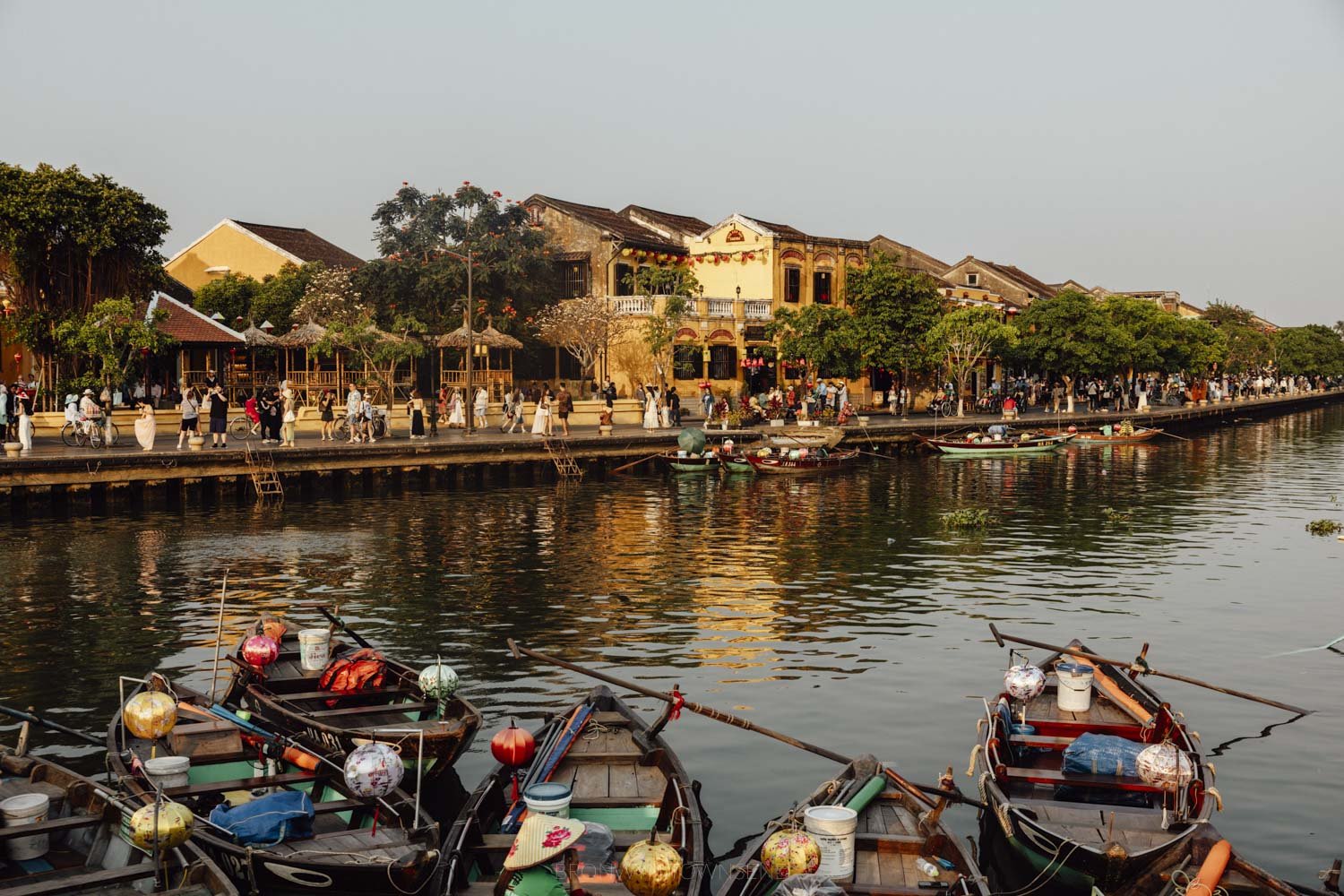
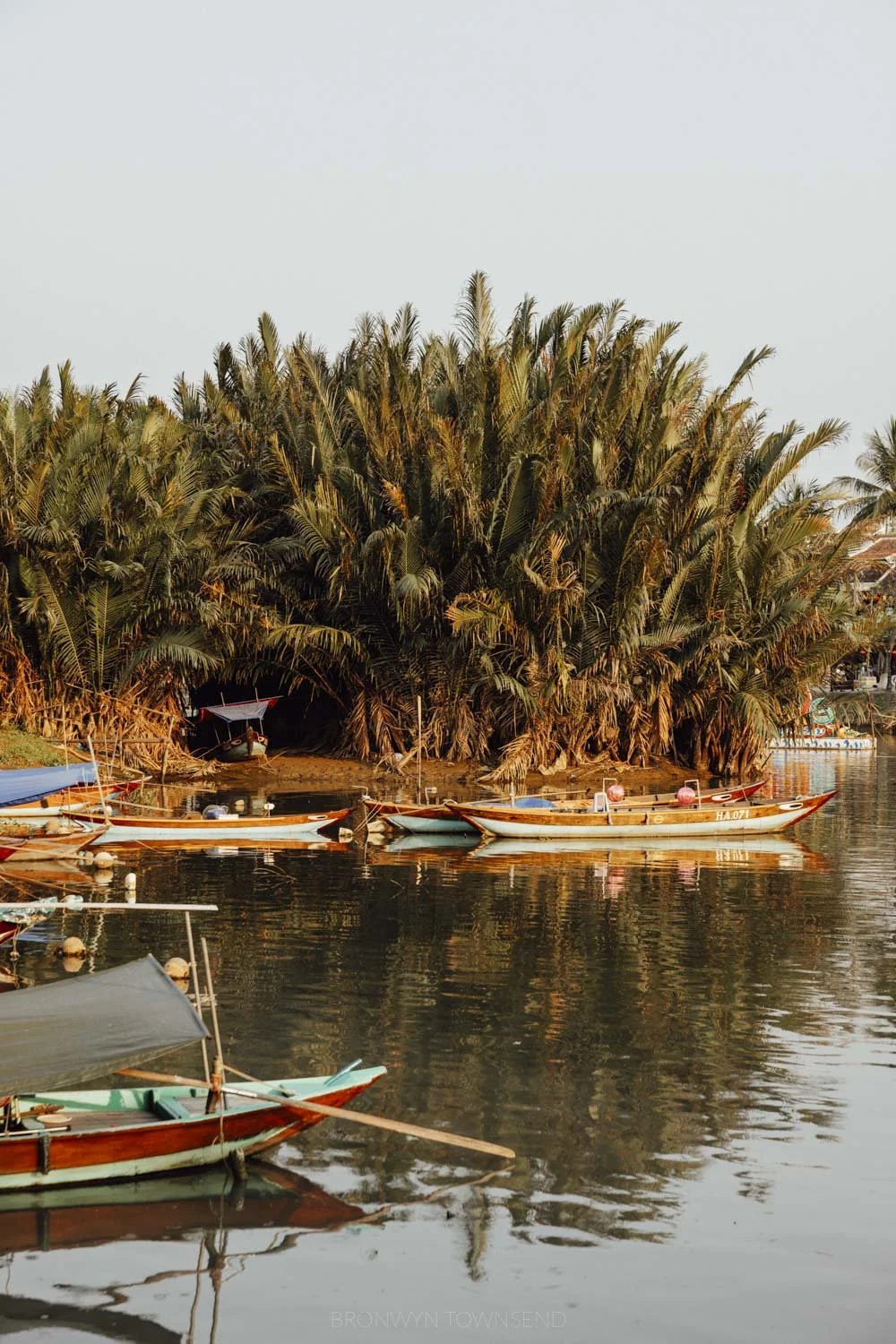
Hoi An Old Town from the Thu Bon River
Day 5 | Explore Hoi An Old Town
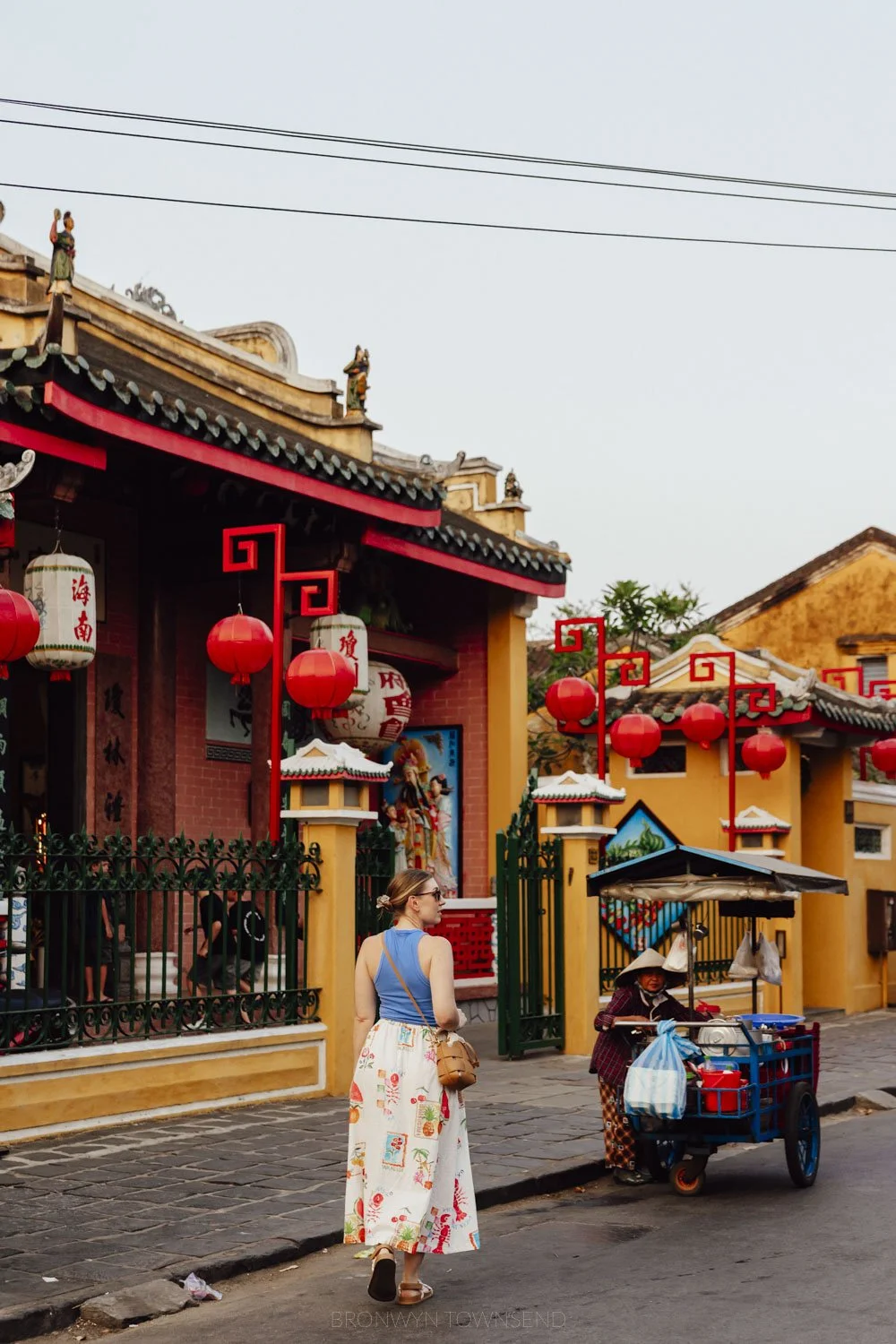
Hoi An is best experienced early in the morning. The hum of Hoi An Central Market reveals a side of the town that reflects its merchant past. The town served as a trading port from the 15th to 19th centuries, and was shaped by European, Chinese, and Japanese influences that etched their mark on the architecture and culture of Hoi An.
Fresh fruit and veg are stacked high, seafood lies in tubs of ice, and fresh cut flowers flow from buckets on street corners. Durian and oranges are sold from the back of bicycles, and daily life unfolds.
This is the perfect time to head to a tailor if you plan on having some custom-made pieces arranged while you’re in Hoi An, custom leather shoes (I bought two pairs of custom sandals), or try a lantern-making experience to take a piece of Hoi An home with you.
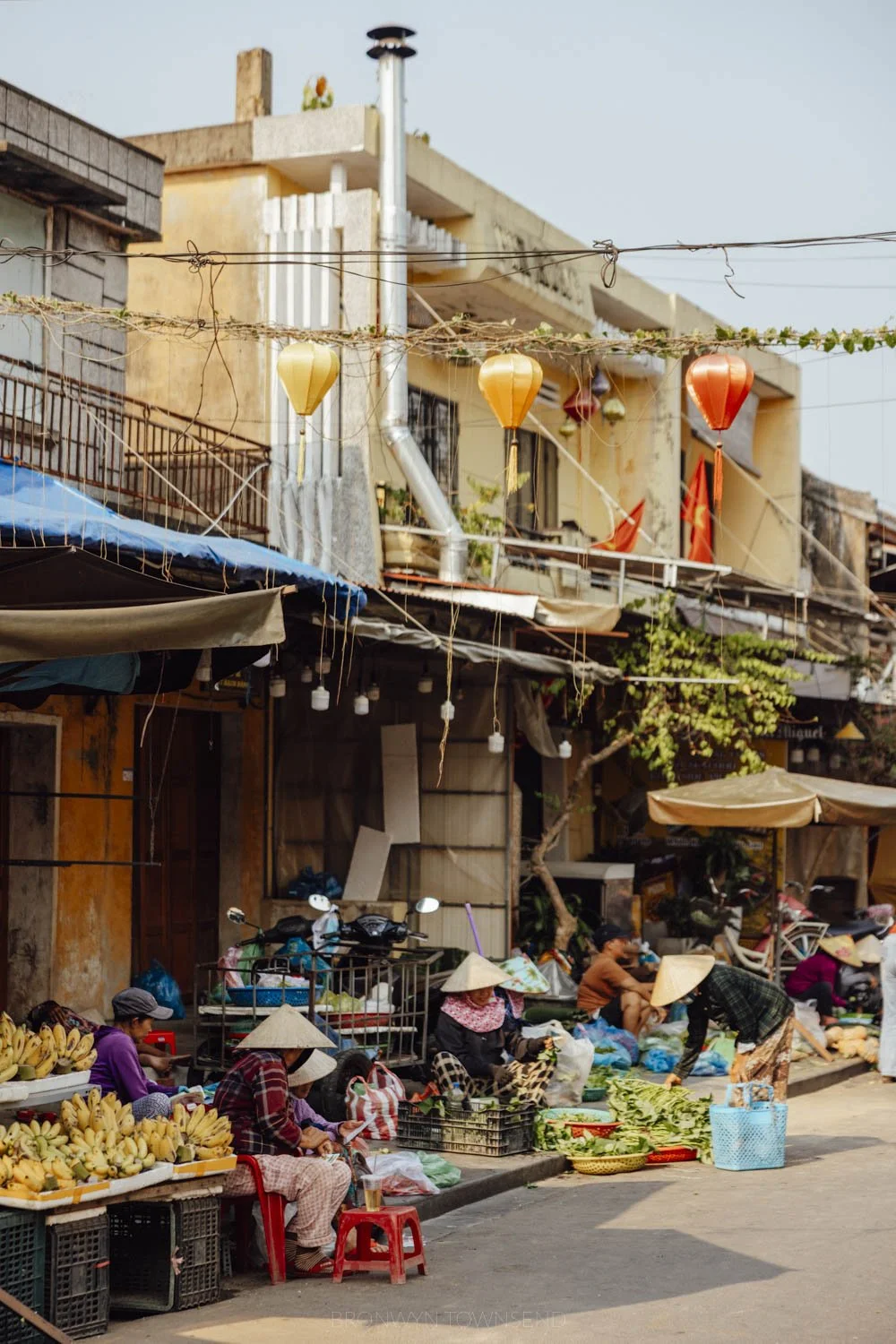
Hoi An Morning Market
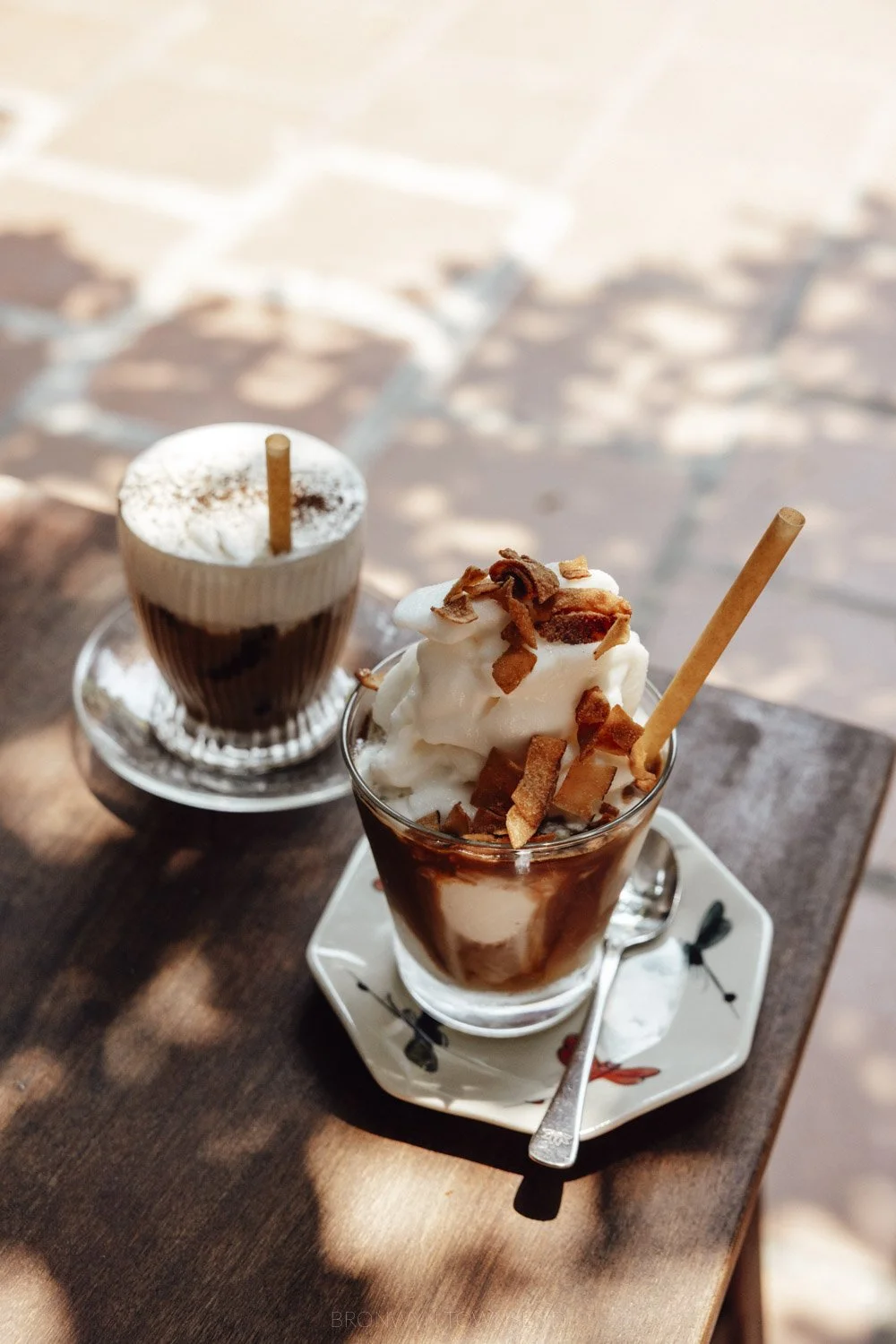
Salt and coconut coffees at Ren Rua Cafe
Then, head to Ren Rua Cafe. This is one of my favourite coffee spots in town, away from the walking streets and tucked down a narrow alley, its retro interior evokes a sense of nostalgia and the coconut and salt coffees are perfect to sip in the leafy courtyard. Just around the corner, you can grab lunch at the hit banh mi spot Madam Khan.
I recommend heading back to your hotel, especially if you have a pool, and spending a couple of hours relaxing before heading back into town in the afternoon.
For the afternoon, grab your Old Town ticket and visit one or two of the sights. You can choose to visit five of the 22 attractions and places covered by the ticket, and it lasts for three days. So you don’t have to do it all in a day.
Stop in at Reaching Out Tea House for afternoon tea, and wandering the streets or peruse the stores selling everything from ceramics to hand-sewn notebooks and purses. A few of my favourites are Metiseko for silk and organic cotton clothing, Tam Thu for ceramics, and Me Hoi An.
Finish the day with dinner at Hy Restaurant, perched on the edge of a quiet canal just behind the main walking streets. The bao and duck curry were delicious.
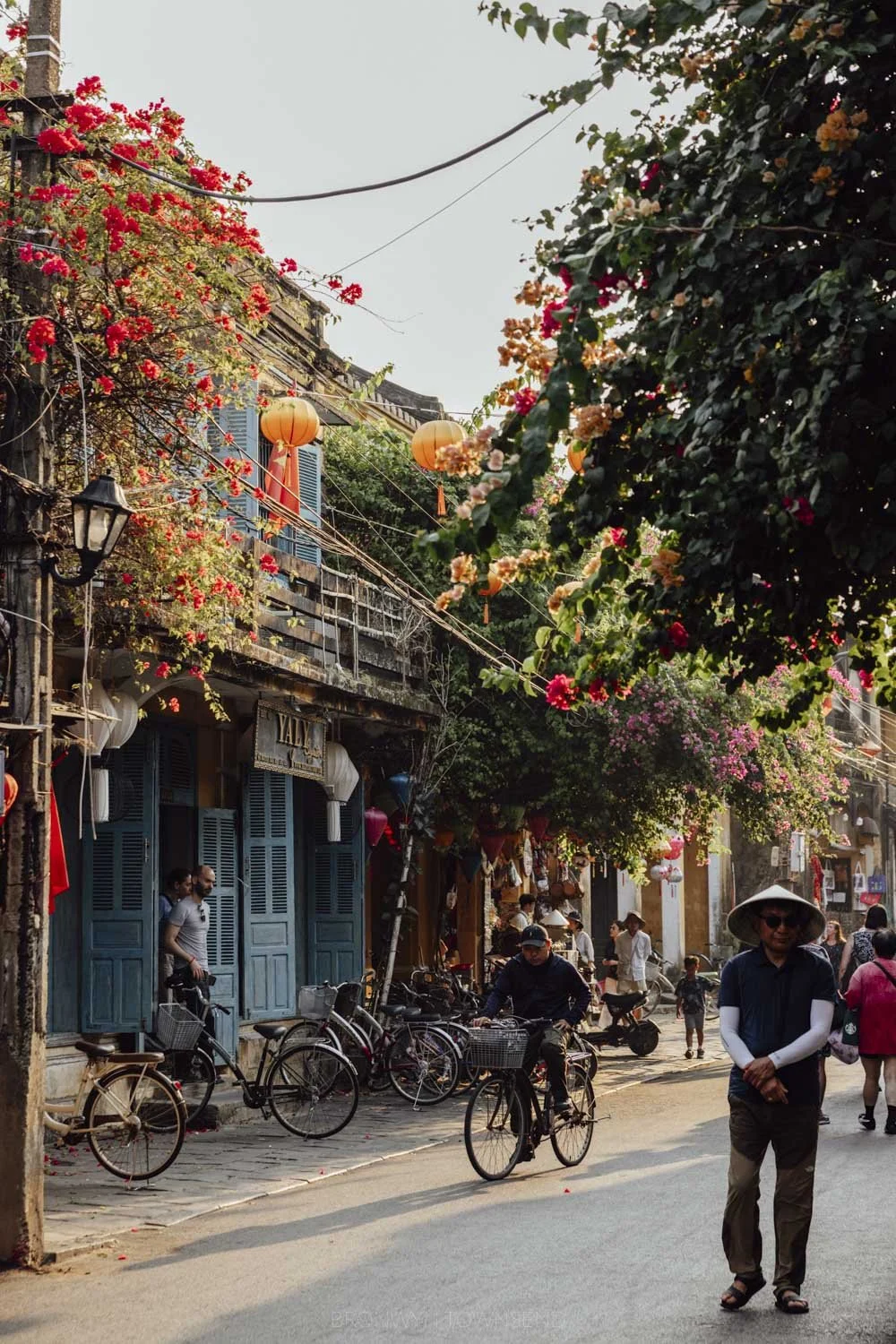
Hoi An Old Town
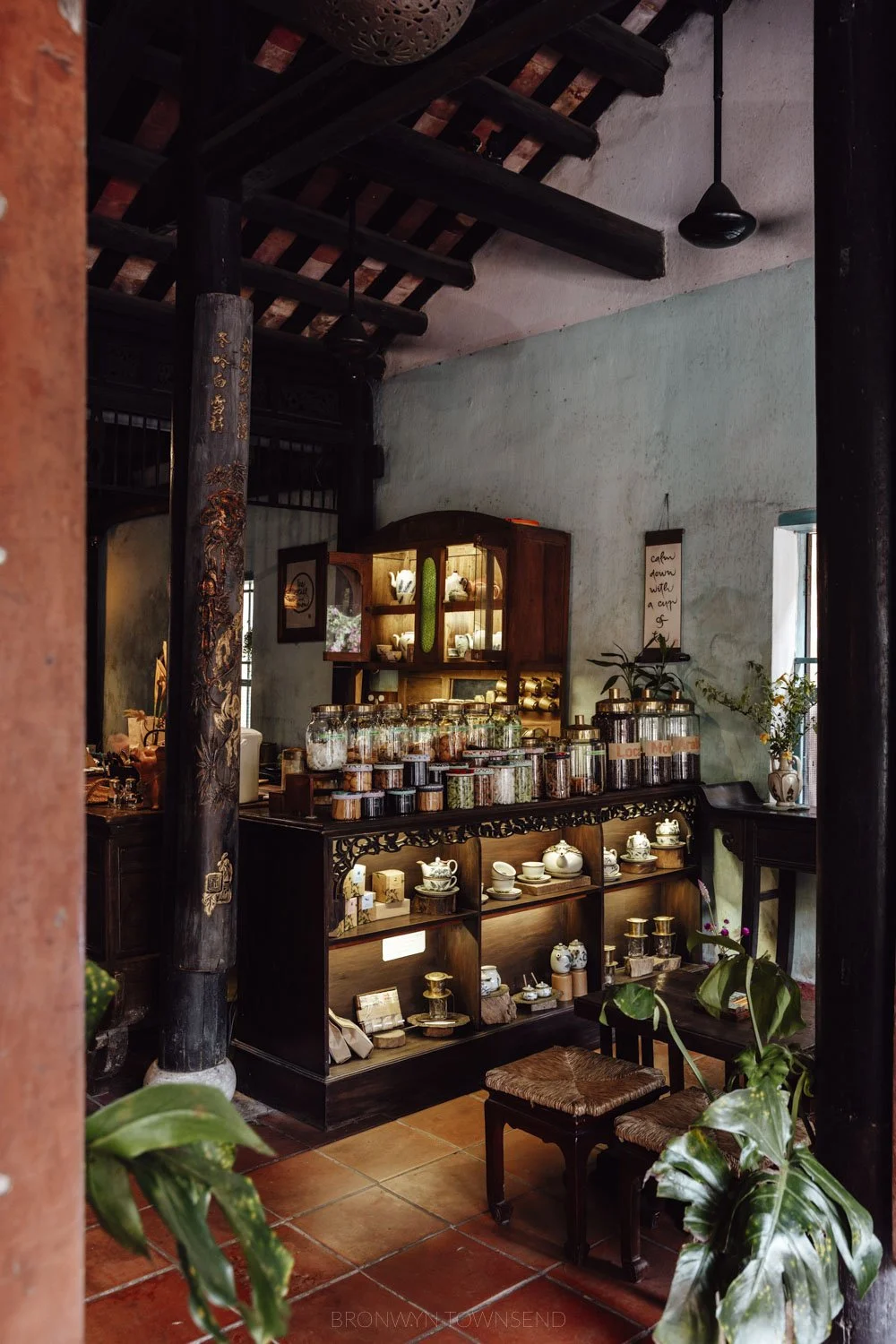
Reaching Out Teahouse
Day 6 | My Son Sanctuary and Hoi An Old Town
Rise and shine early, because a sunrise tour of My Son Sanctuary is the best way. No crowds and avoiding the heat of the day were all I needed to convince me the 5am alarm was worth it.
Once the political and religious capital of the Champa Kingdom, the ruins that now stand were built between the 4th-13th centuries and the region owes its spiritual origins to Hinduism. Many of the buildings were destroyed during the Vietnam War, but the preservation work has been crucial in preserving what remains.
My sunrise tour picked me up directly from my hotel, with a coffee stop before, and a traditional champa breakfast before heading back to Hoi An.
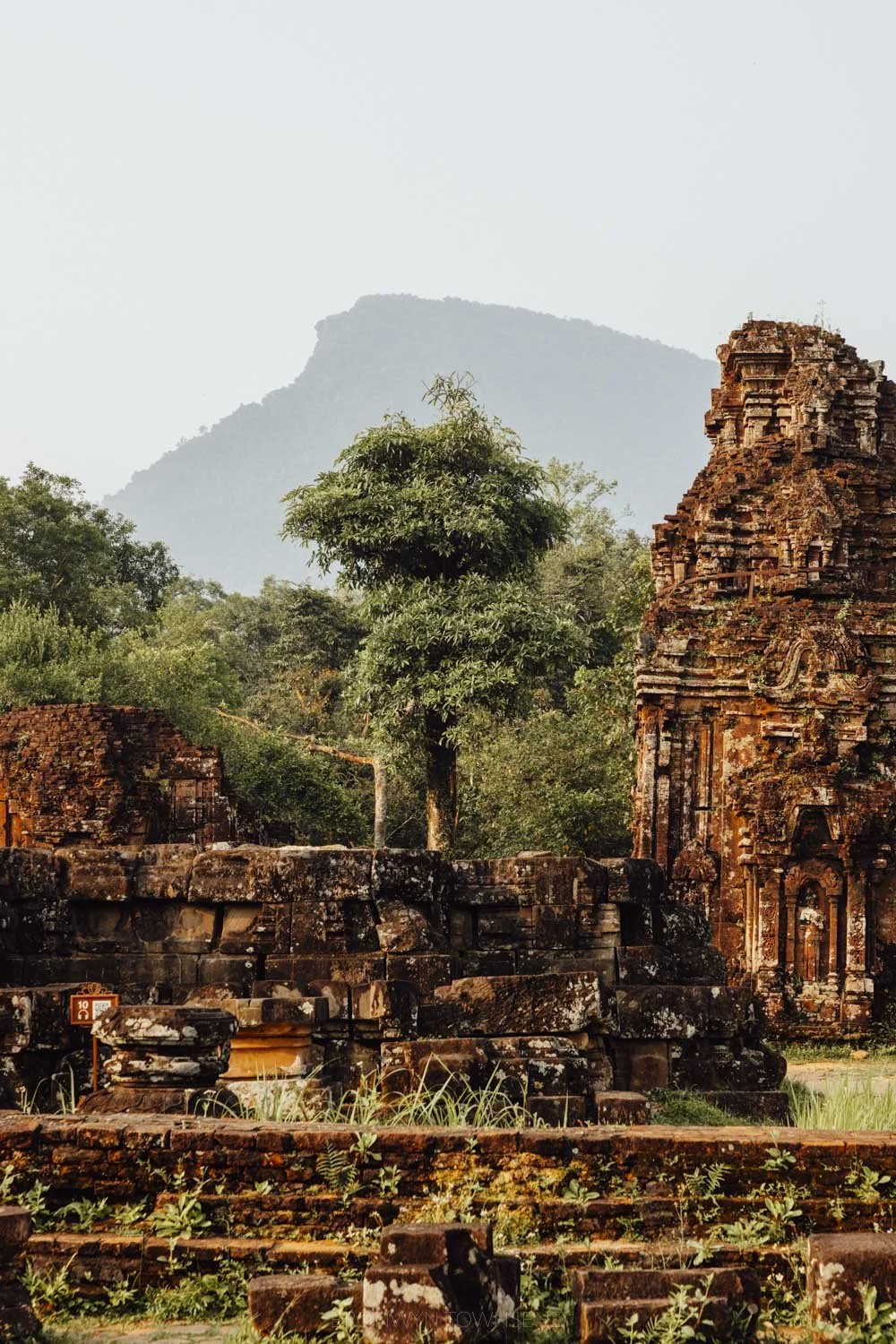
My Son Sactuary
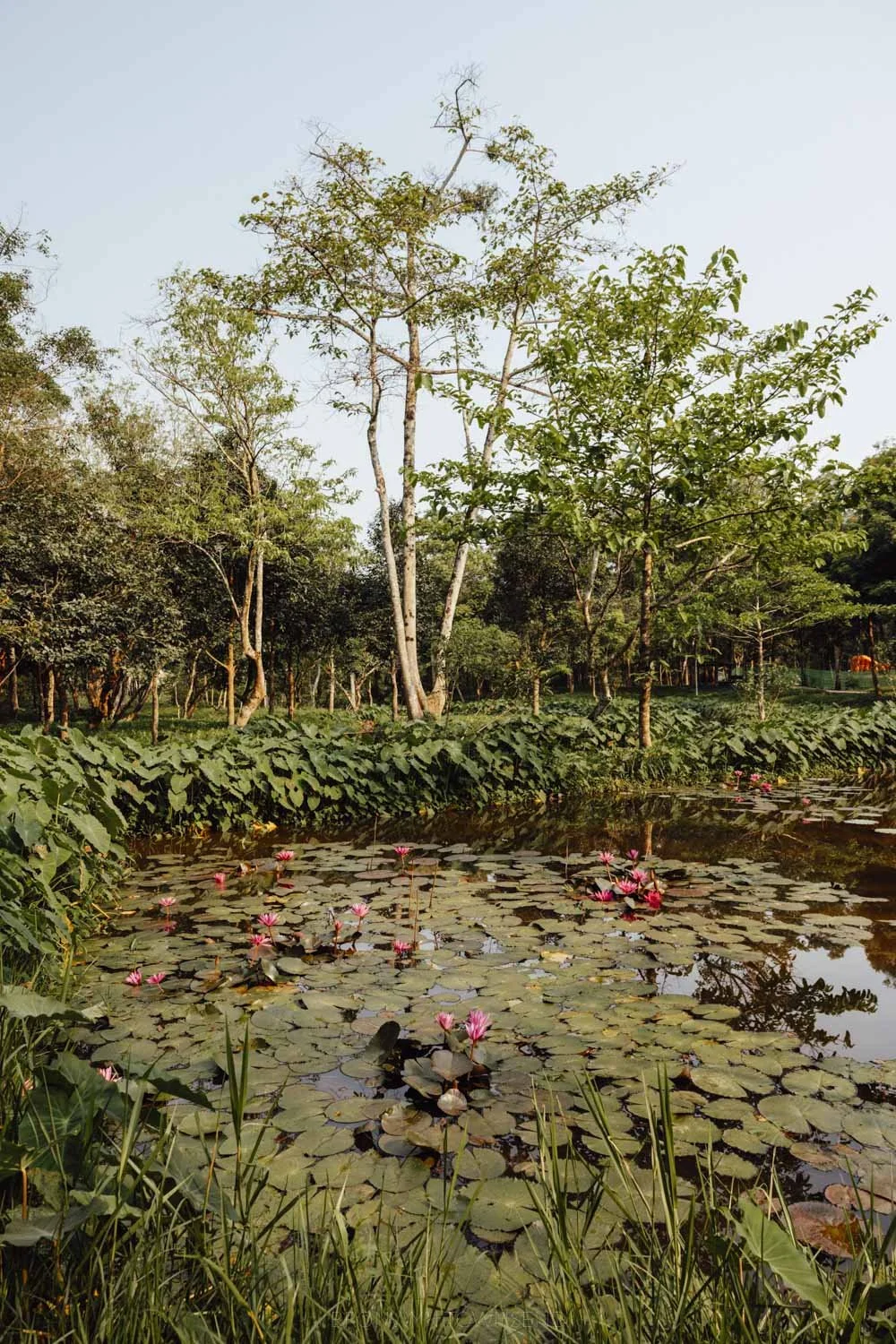
Lilypond at My Son Sactuary
Either head into the Old Town and visit another site or two with your ticket, or take a well-earned rest back at your hotel. I’ve intentionally designed this itinerary with more time in Hoi An so you can take your time and weave in time to relax - it’s a holiday after all!
If you arranged tailoring, you’ll likely be due back for a fitting. If not, then spend the afternoon learning how to make some of the region’s best dishes with a cooking class. This 4-hour cooking class includes a market visit and a coconut boat ride.
Chances are, if you settled on the cooking class, you won’t need dinner tonight. If you didn’t then try The Noodle House - Signature for, well noodles.
Day 7 | Hoi An and An Bang Beach or Song Tra Peninsula Tour
It’s your final day to pick up any final shopping, collect your tailoring, and visit the last of the sights with your Old Town ticket. My favourite is the Fujian Assembly Hall, with its pink tiled gate and ornate water feature, so don’t skip it.
Grab another coconut coffee or tea drinkers will love a tasting at La.Kao Teahouse.
For the afternoon, you can head to An Bang Beach. Soft white sands fringed by towering palms meet the clear waters of the East Sea. Just a short grab ride from Hoi An, it’s the perfect way to unwind for your final afternoon.
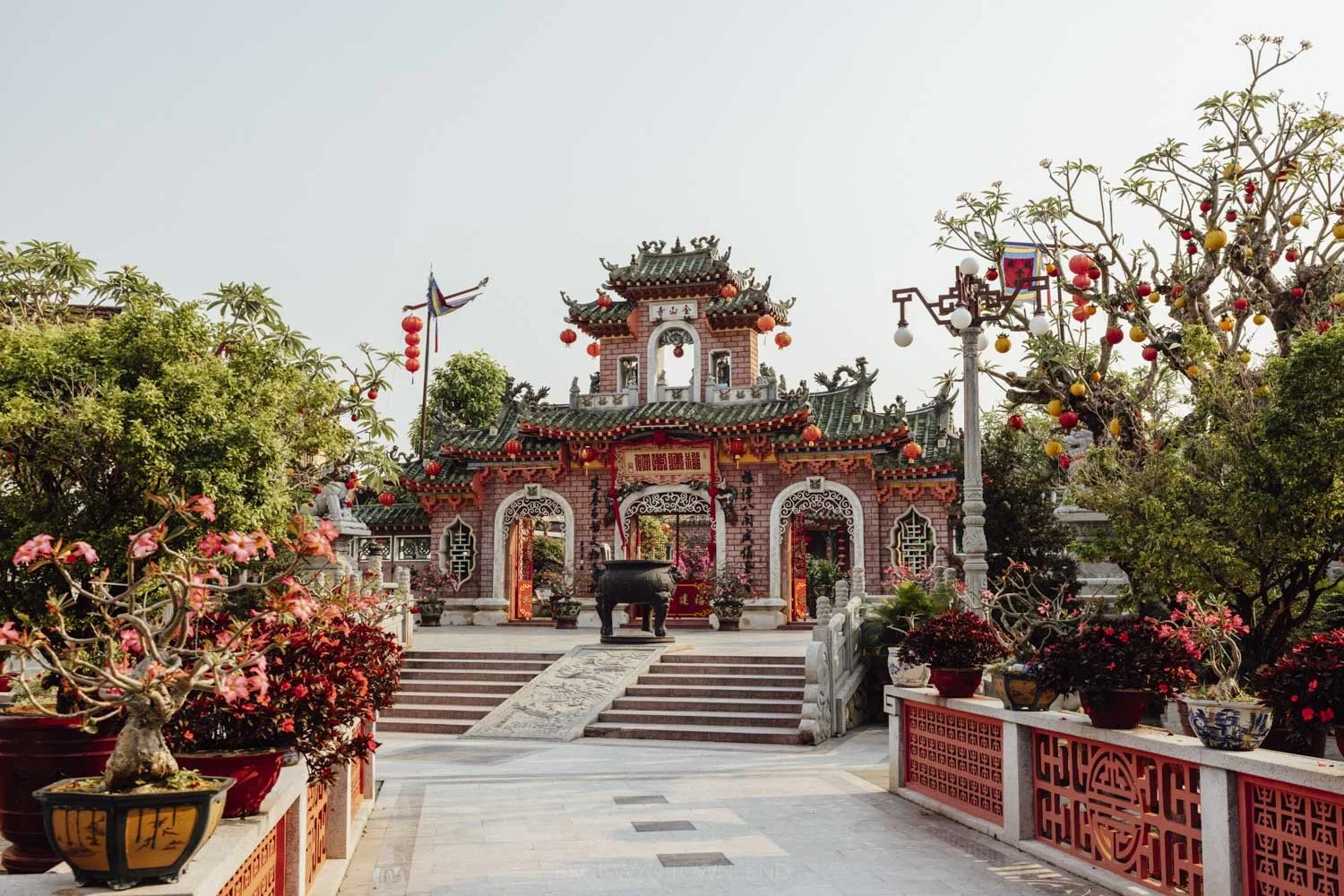
Fujian Assembly Hall
Or, if like me, you are keen to spot some unique and rare wildlife, then head to the Song Tra Peninsula. The reason? The endangered Red-Shanked Douc Langur calls this hilly jungle area just outside Da Nang home. This is by far my standout experience during my Vietnam trip - I am a wildlife lover and photographer after all.
I booked a guide, Cilian, whose expert skills helped me spot several families in the tree tops. His knowledge and passion for the life and conservation of these beautiful monkeys matched my excitement to see them. Without a wildlife tour with a dedicated guide, there’s a good chance I wouldn’t have spotted the red-shanked douc langurs. Worth every penny!
The tour finishes in Da Nang, so you could have dinner here and then head back to Hoi An via Grab, or head back to Hoi An and stop in there. If you’re feeling something other than Vietnamese tonight and want to avoid the busiest part of town, then head to Masa Taqueria. I never expected Mexican this good in a small Vietnamese town.
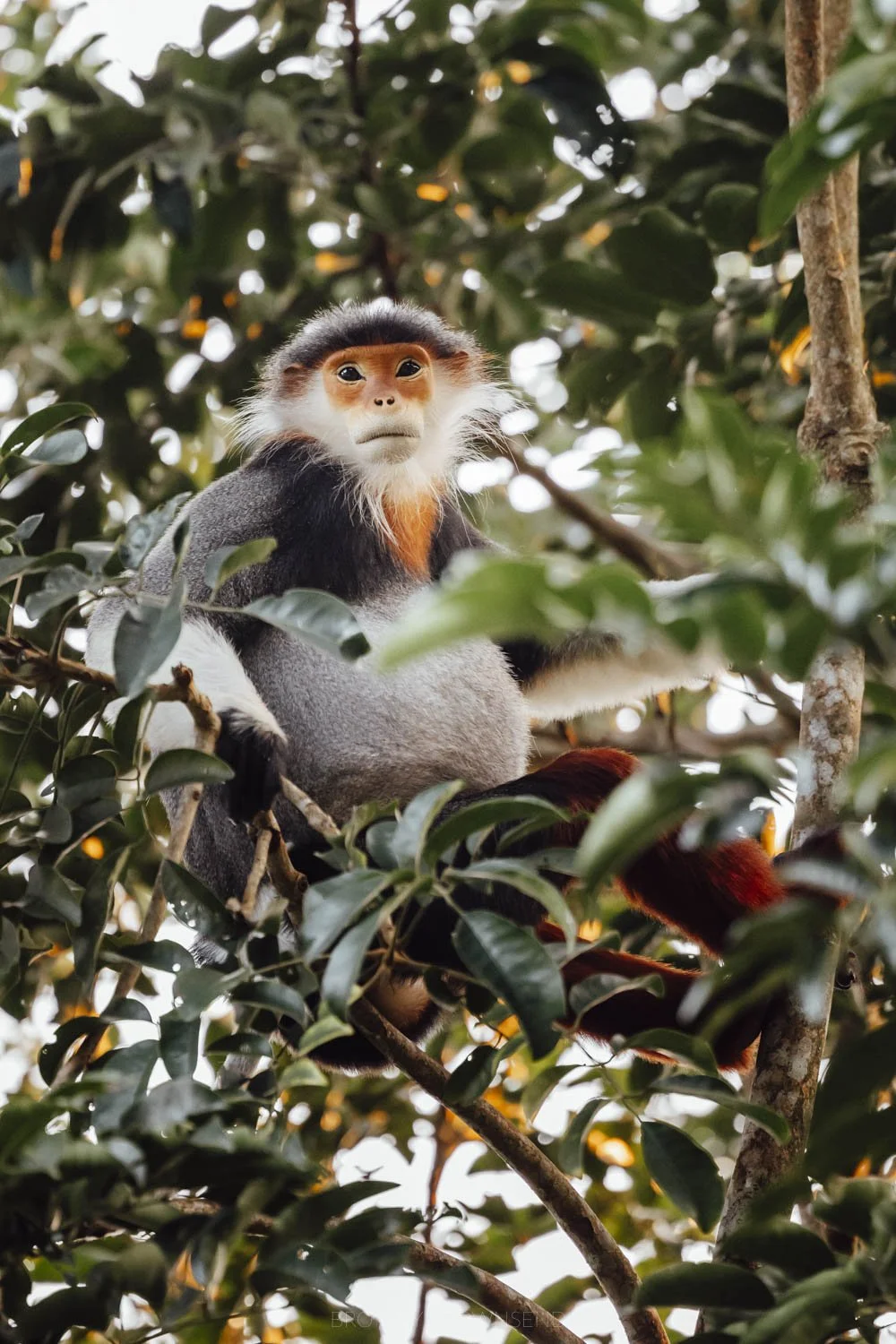
Adult red-shanked douc langur
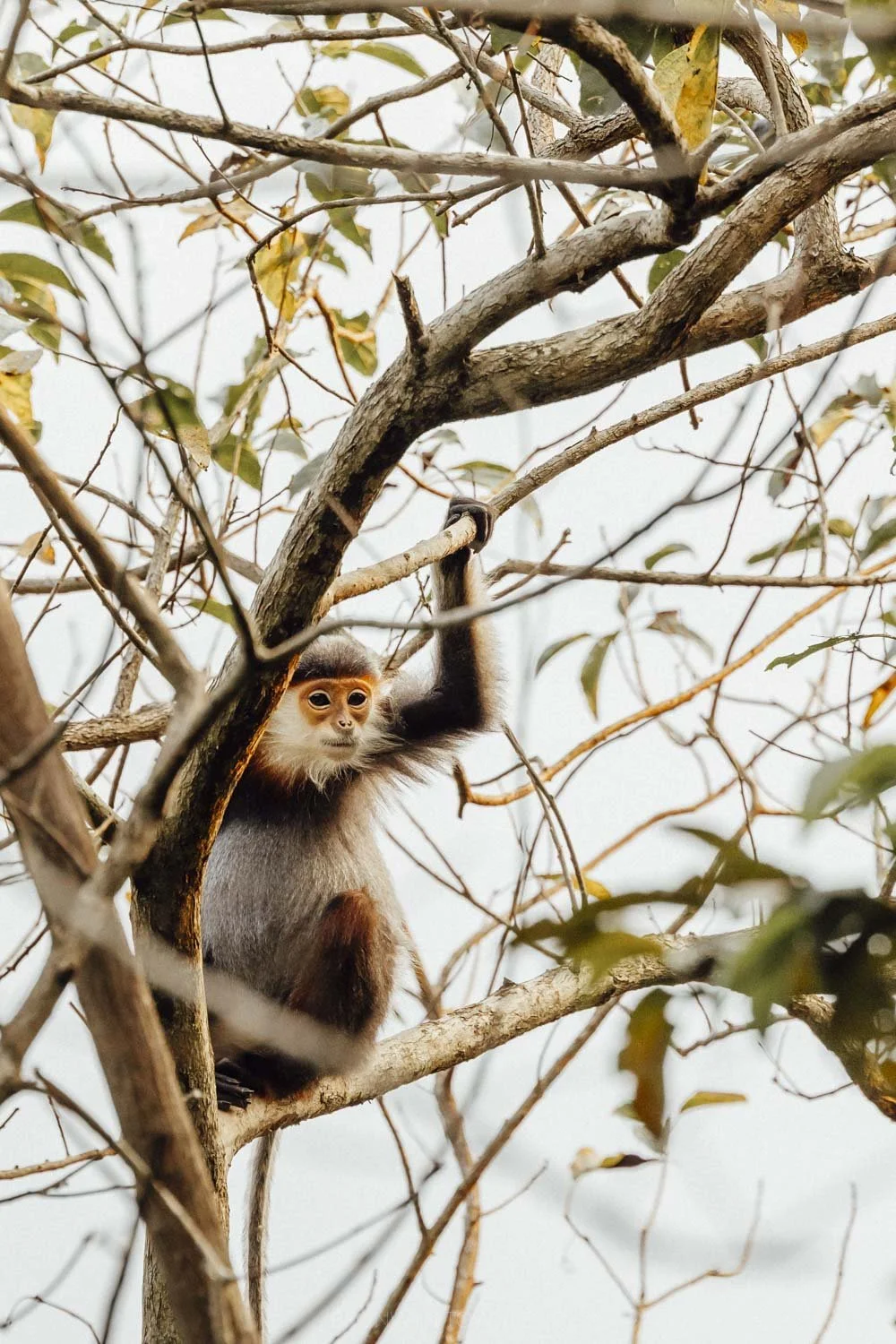
Juvenile red-shanked douc langur
Day 8 | Hai Van Pass
No need for a flight today, as you’re staying in central Vietnam. You could choose to book a private driver to take you from Hoi An, or you could take my recommendation to travel by train via the Hai Van Pass.
Take a Grab to Da Nang train station, board the train, and wind along the scenic coastline, past rural villages, and roll by verdant rice paddies. The journey takes between 2.5-4 hours depending on which service you take. The reunification express operates on this route, but the best way is by jumping on board the Heritage Train.
From Da Nang, the service runs twice a day, at 7:45am and 2:20pm. If you choose the morning service, it will be an early start. But you will have more time in Hue, which I personally think is worth it.In Hue, stay at Hue River Side Villa, which is a small hotel overlooking the river with a pool and the perfect spot for sunset happy hour. For dinner, I loved our meal and cocktails at Vị Huế Restaurant & Café, which is also a convenient 5-minute walk away.
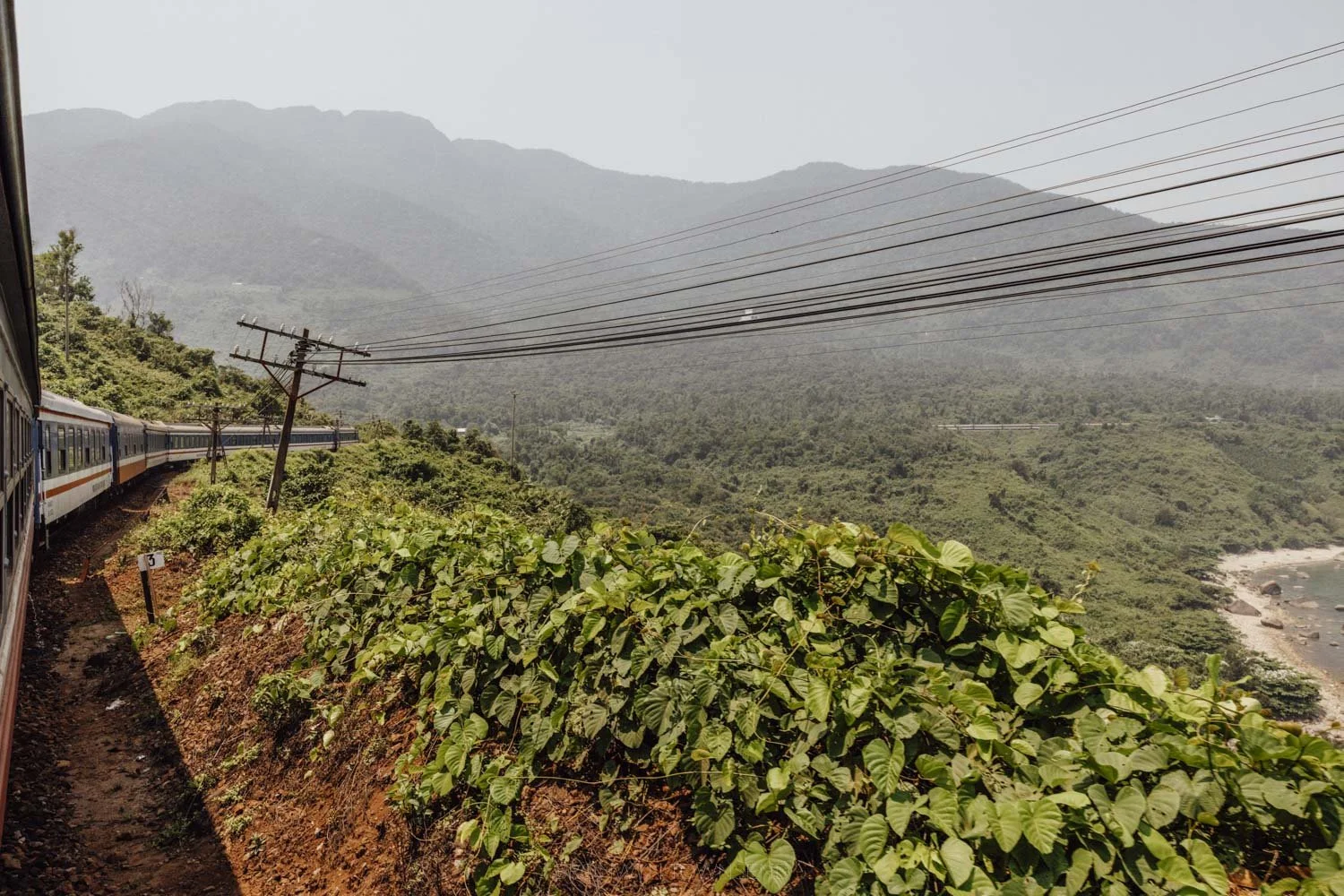
Day 9 | Hue Citadel
Hue is often missed by a lot of travellers visiting Vietnam, or visited simply on a day trip. But slowing down and spending two days in Hue means you don’t need to rush.
Once the centre of political, cultural, and religious centre during the Nguyen Dynasty rule from 1802-1945, it’s not hard to picture emperors and empresses wandering the grounds of the Imperial Citadel. This is where you should start your day after coffee at DAUDO if you’re staying at Hue Riverside Villa. If you’re staying on the other side of the perfume river closer to the citadel, then I recommend stopping by Tan.
Give yourself the better part of the morning to wander the expansive grounds, which were inspired partly by Beijing’s Forbidden City and traditional Vietnamese feng shui principles. UNESCO World Heritage listed in 1993, the complex suffered heavy destruction during the French Colonial period and during the Tet Offensive in 1968. Some of the most notable sites within the complex include:
Grand Meridian Gate
Ornate Thai Hoa Palace (Hall of Supreme Harmony)
The restricted Purple Forbidden City
Kien Trung Palace
You’ll need several hours to complete Hue Citadel, so give yourself up to half a day. You can choose to purchase a combination ticket that includes entry to several of the Emperor's mausoleums and is valid for two days, so you can take your time.
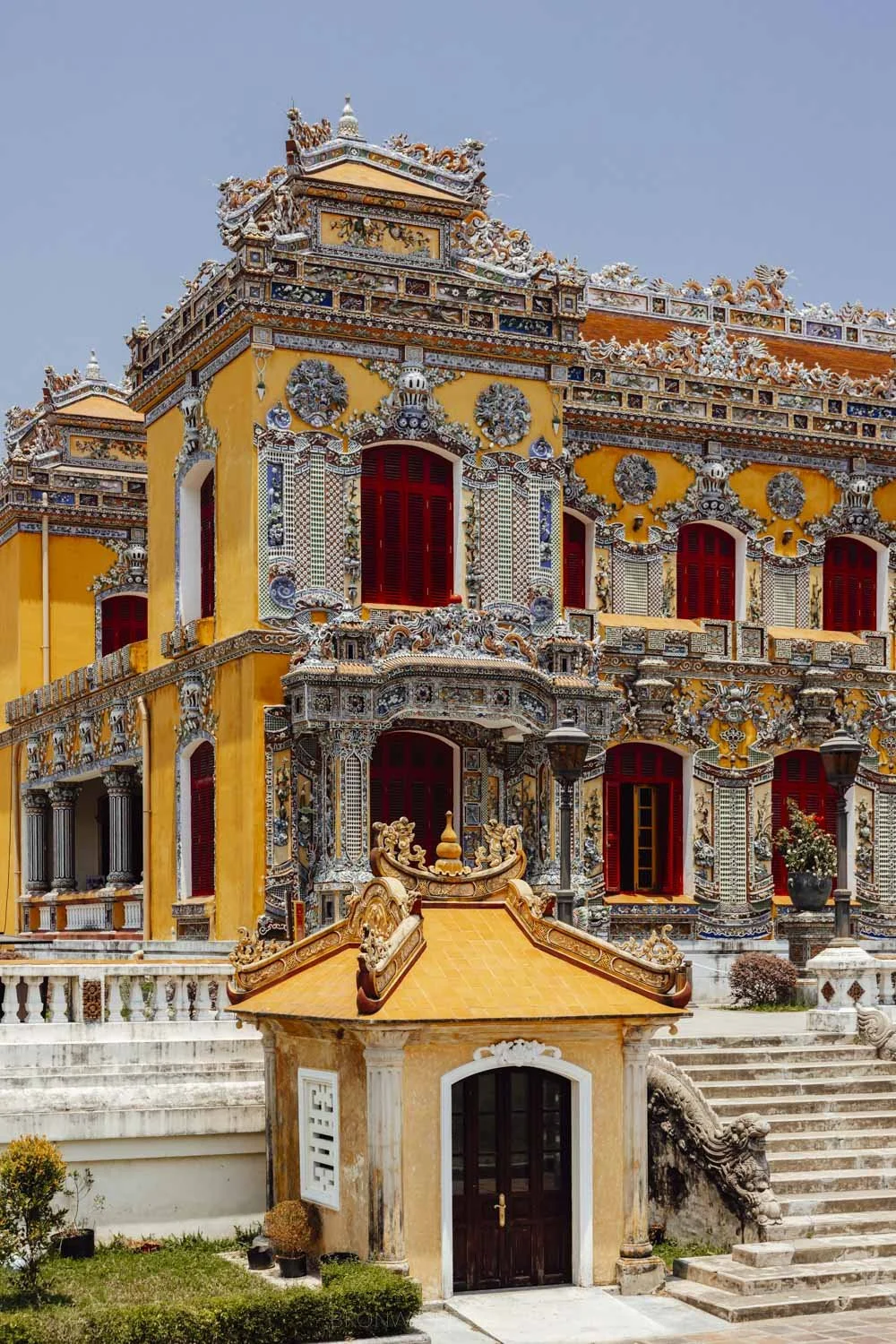
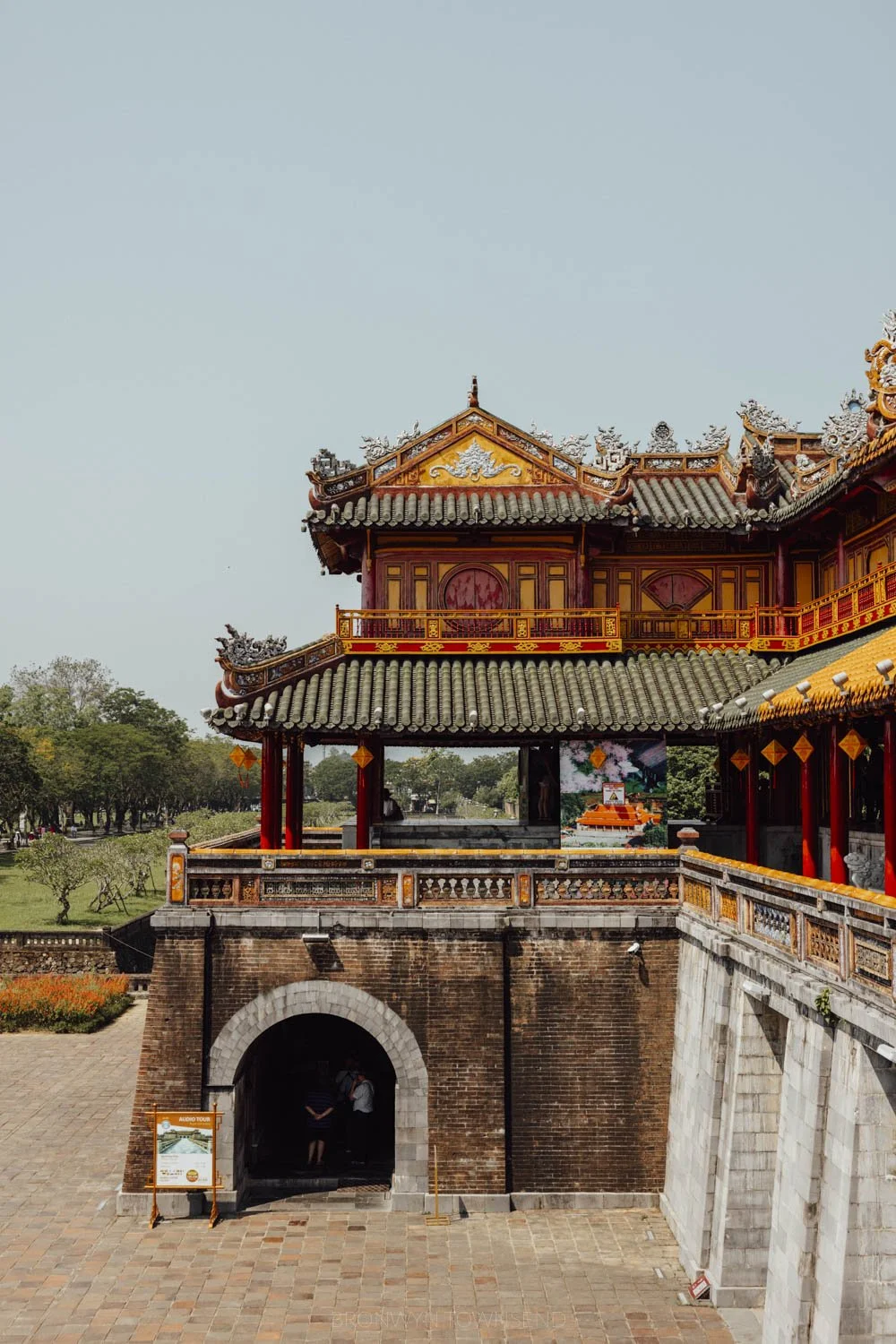
For lunch, head over to Dong Ba Market. By now, the morning shoppers picking up their ingredients will have cleared out, leaving you to try some of the region’s local dishes before wandering the stalls. Not sure what to try in Hue? Give these dishes a try:
Bún bò Huế, a spicy beef noodle soup that originated in Hue
Bánh bèo, tiny steamed rice cakes served in small bowls
Bánh khoái, a savoury, crisp pancake from central Vietnam, similar, but small and crispier than bánh xèo
Nem lụi, grilled pork skewers wrapped around lemongrass stalks
For the remainder of the afternoon, jump on a Perfume River Cruise onboard a traditional dragon boat to Thien Mu Pagoda. One of the oldest religious sites in Central Vietnam, it’s perched on a hill overlooking the Perfume River.
Your tour will take you back to central Hue, where it's time to finish with dinner. My Bun Bo Hue at Nhà hàng Bánh Gánh was great, and you can pop to fai. Wine bar nearby afterwards if you want a drink before calling it a night.
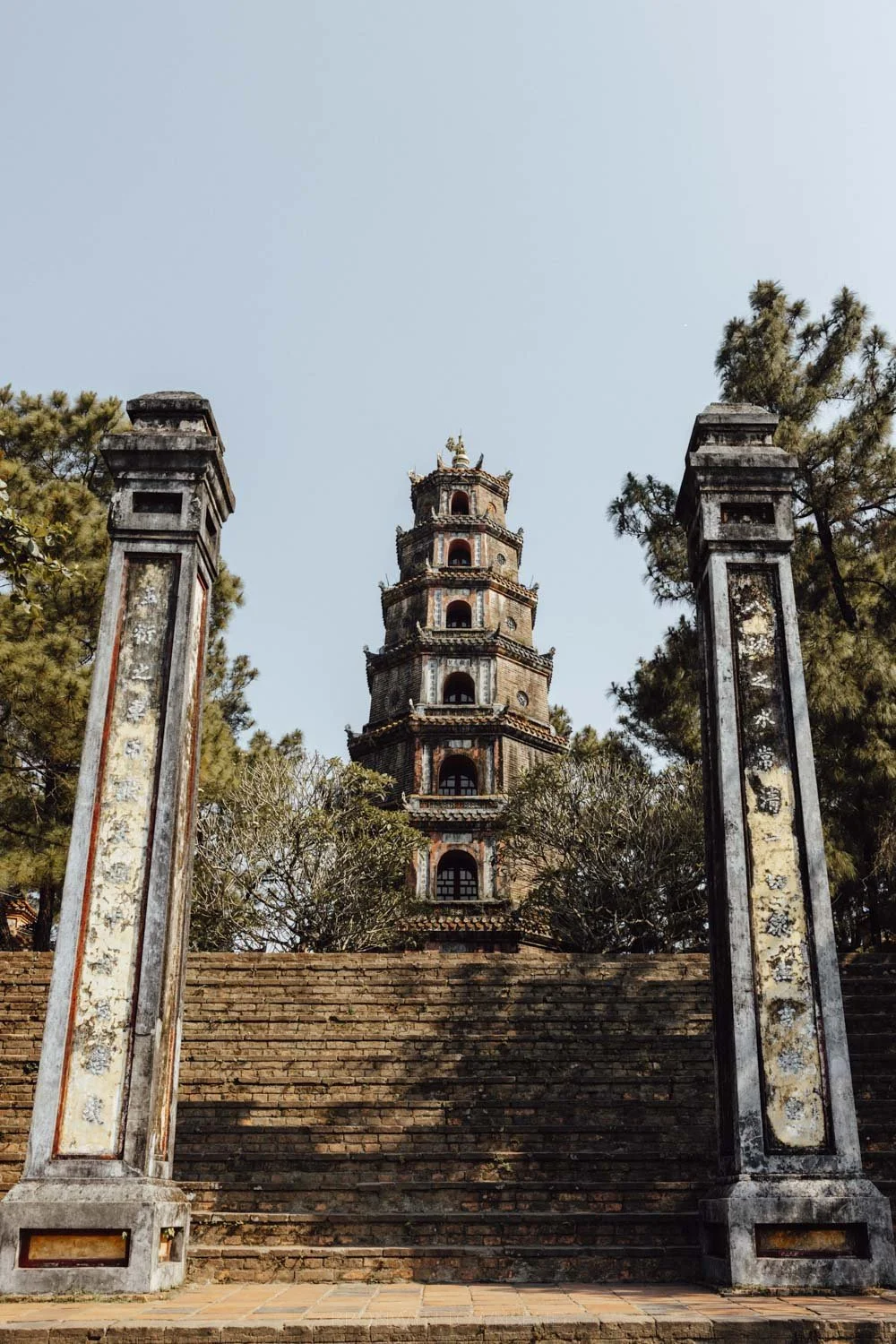
Thien Mu Pagoda
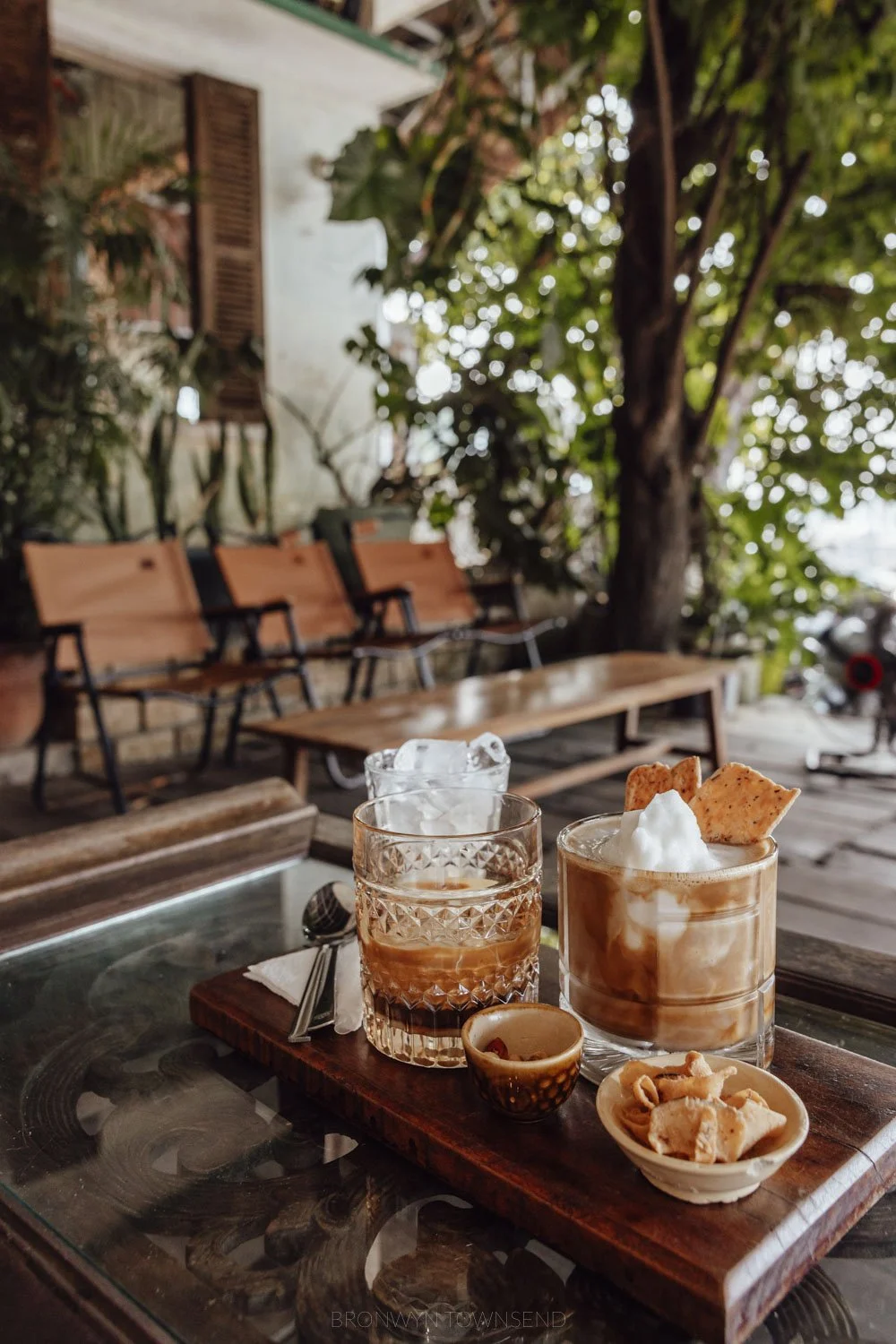
Peanut and coconut coffees at DAUDO
Day 10 | Hue
Ideally, book an afternoon flight to Saigon so you can visit a couple more of Hue’s attractions. After breakfast, head to the Royal Mausoleums of Hue. There are four large tombs of the Emperors of the Nguyen Dynasty. Which ones you visit will depend on the ticket you chose yesterday. After researching them all, I settled on two; the Mausoleums of Emperor Khai Dinh and Emperor Minh Mang.
There are four you can visit, and they are around 25 minutes drive from the centre of Hue. I recommend booking a private driver today, taking you to the mausoleums, the final attraction, and then to the airport.
To help you choose which mausoleums to visit, here’s a quick overview of each:
Tomb of Khải Định | The most elaborate Nguyễn emperor tomb, blending Vietnamese and European architecture with lavish mosaic decoration.
Tomb of Minh Mạng | A serene and symmetrical imperial mausoleum known for its harmony with nature and classical Vietnamese design.
Tomb of Tự Đức | A peaceful, poetic royal retreat surrounded by lakes and gardens that reflects Emperor Tự Đức’s scholarly personality.
Tomb of Gia Long | A quiet and remote tomb set within natural landscapes, honoring the founder of the Nguyễn Dynasty.
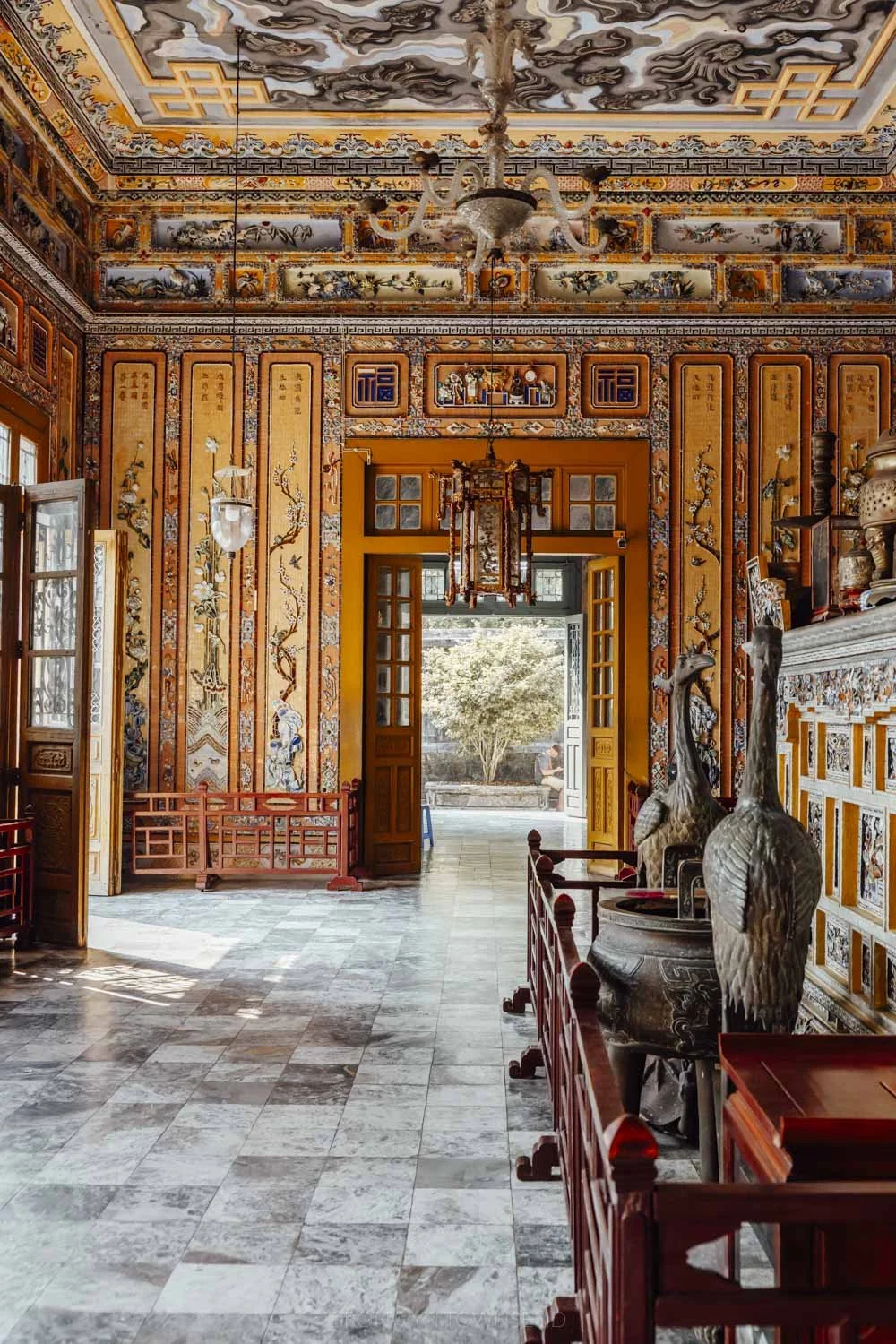
Tomb of Khai Dinh
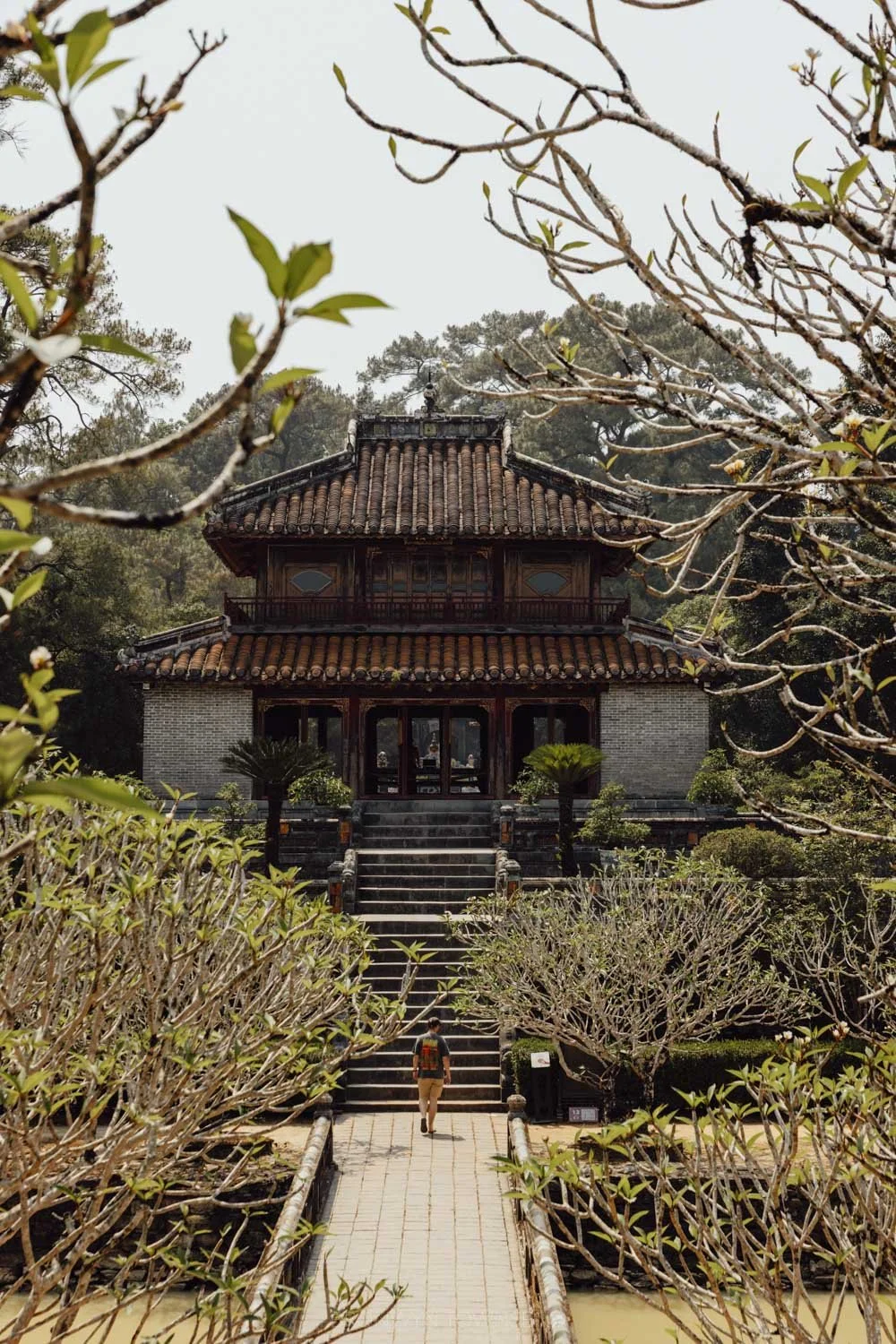
Tomb of Minh Mang
To round out sightseeing in Hue, head to An Dinh Palace. A royal residence built by Emperor Khan Dinh in the early 20th century, it marries a mix of Vietnamese and European interior and architectural design.
Set along the An Cuu Canal, this change in style is reflective of increasing Western influence on the royal court during the French Colonial period. You’ll only need around 30 minutes here to take in the property, and then you can head to the airport for an afternoon or evening flight to Ho Chi Minh City.
Depending on what time you land in Ho Chi Minh, head out for dinner. You won’t be short on choice, but if you’re looking for something easy then I can recommend 4Ps Pizza. Not Vietnamese, I know. But it is as good as the hype.
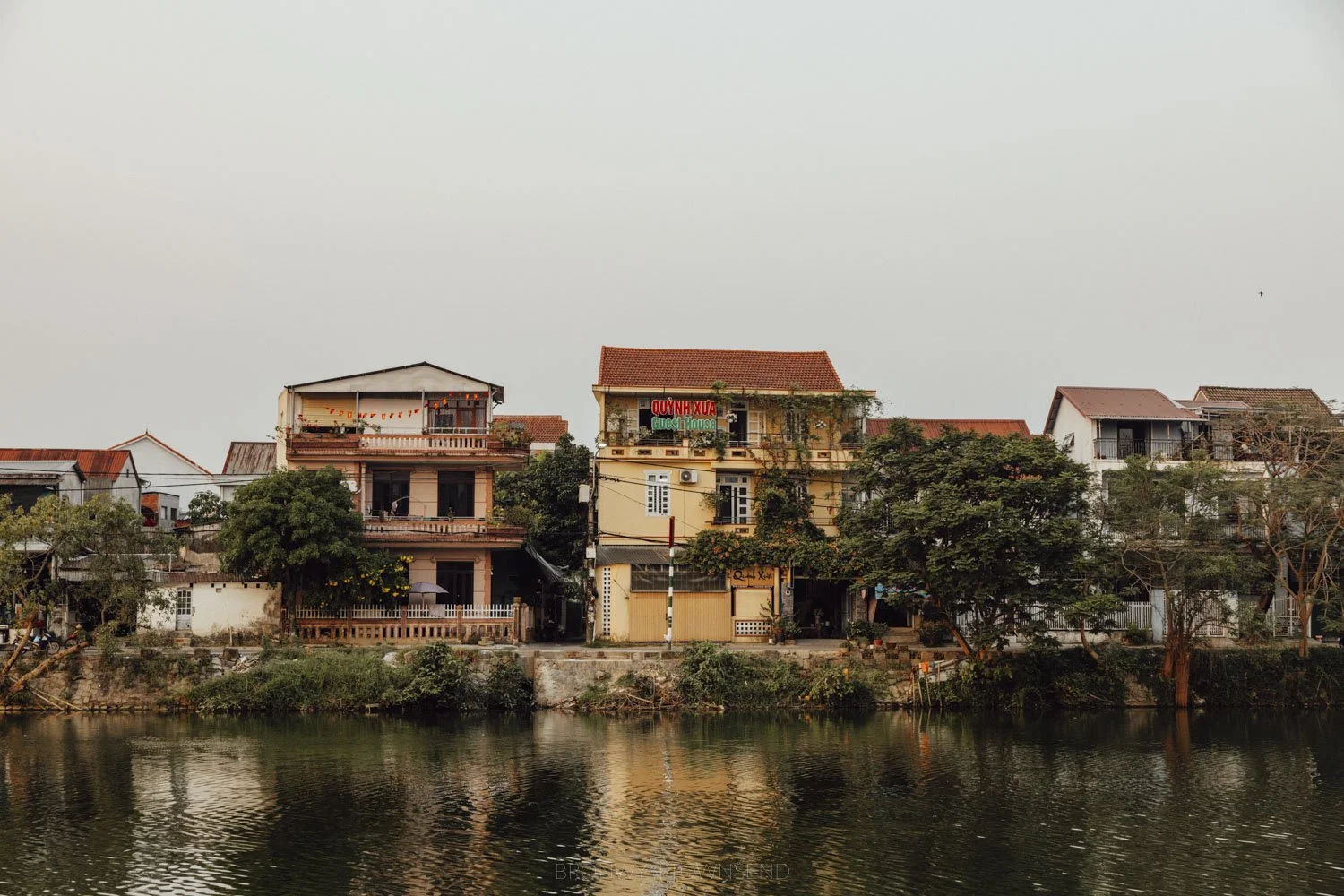
Days 11-14 | Ho Chi Minh City
Day 11 | Discovering District 1
The first stop of the day starts with breakfast on a stainless steel table and stool. The hissing of sizzling cast iron plates, flames rising from the grill, and diners perched on a street corner will be the first signs you’re in the right place. Bo Ne Ba Nui.
This is a classic Saigon breakfast, with beef strips, a fried egg, and pate served still-sizzling to your table and a freshly based banh mi for dipping. 10/10 no notes for this Vietnamese brekky.
From there, jump in a Grab and head to the War Remnants Museum. While Hanoi is the cultural and historical centre, Vietnam’s south is where you go if you want to learn more about the war. No place sheds light on this better than the War Remnants Museum.
With a collection of exhibitions covering the human cost and impact of foreign intervention in Vietnam, it’s an eye-opening look into what the country endured during this period, and beyond. It’s emotionally heavy, so take your time.
I’d recommend 2-3 hours to cover the entire museum. From there, make your way to Ben Nghe Street Food, a foodie spot with a street market vibe serving plenty of local Vietnamese cuisine.
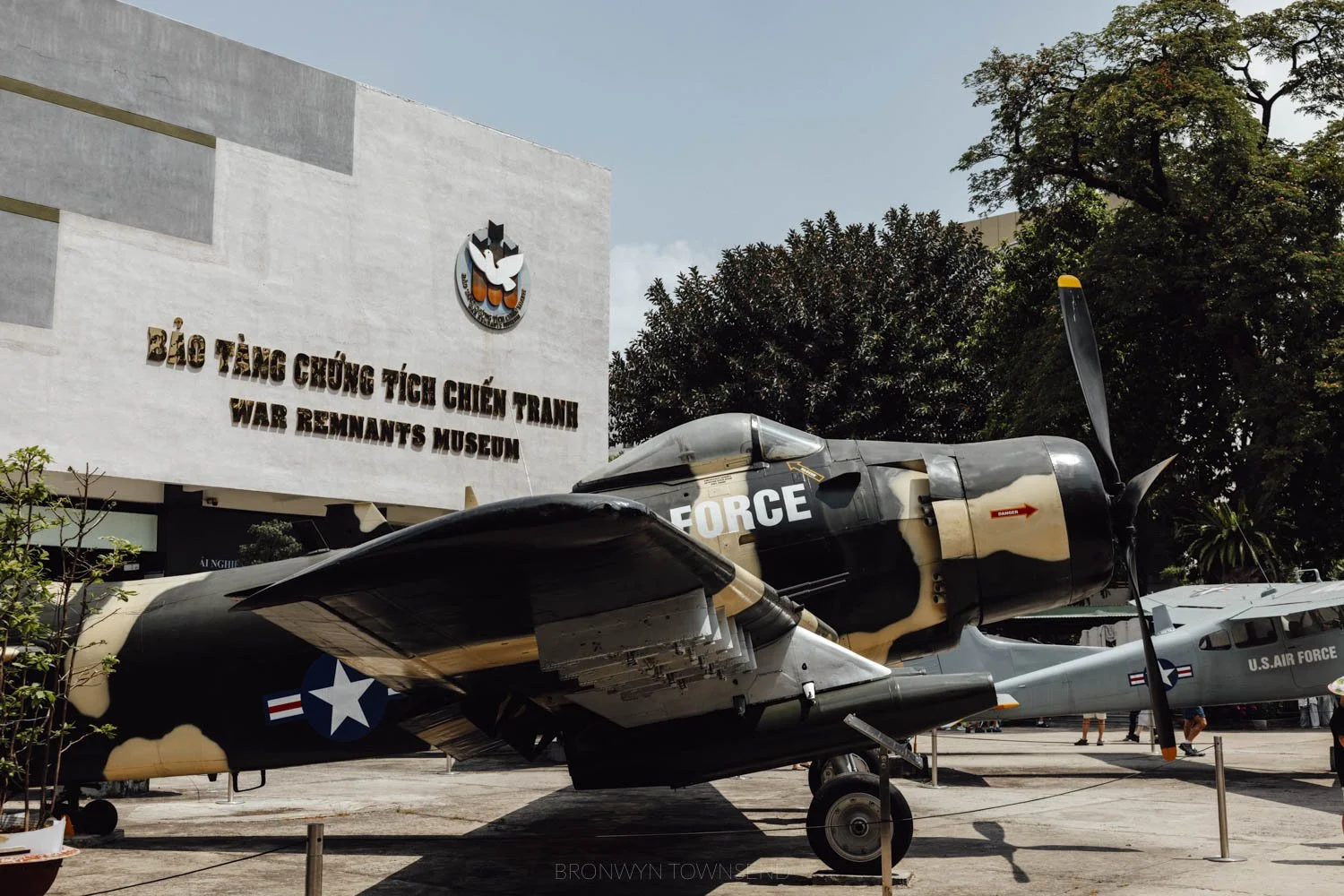
War Remnants Museum
By now, you’re well overdue a caphe bac xiu, Vietnamese coffee with condensed and fresh milk. So walk over to the Cafe Apartments, an apartment block that has been transformed into a multi-story hub of cafes, boutiques, and creative spaces. While there are plenty of places to choose from, I settled on Po Cafe. If you need an egg coffee fix, then this is also the spot for you.
For the afternoon, wander up past the Ho Chi Minh statue and towards Ho Chi Minh City People’s Committee Building. A lemon yellow colonial building that serves as the government headquarters.
Continue on to the Saigon Central Post Office. Yet another colonial landmark, it now mostly operates as a tourist attraction with stalls inside to shop for souvenirs. You can also buy a postcard and send it back home while you’re here, as it still offers a postal service for postcards. The vaulted metal ceilings, decorative tile floors, and dark wood cabinets were my favourite feature.
On your way to book street which is just around the corner, pop by Notre Dame Cathedral. Its Neo-Romanesque style is mostly built from red bricks imported from Marseille and has become one of the most important churches in southern Vietnam.
Continue on to Book Street. This pedestrianised street is lined with book shops and cafes and pairs perfectly with the previously mentioned spots. It’s a great spot to take in slowly, relaxing with a drink, and peruse the books, stationery, and vintage maps and postcards for sale.
Spend the rest of your afternoon as you please. Whether that’s wandering around the streets of District 1, popping somewhere for a drink, or just chilling at your hotel for a bit before dinner.
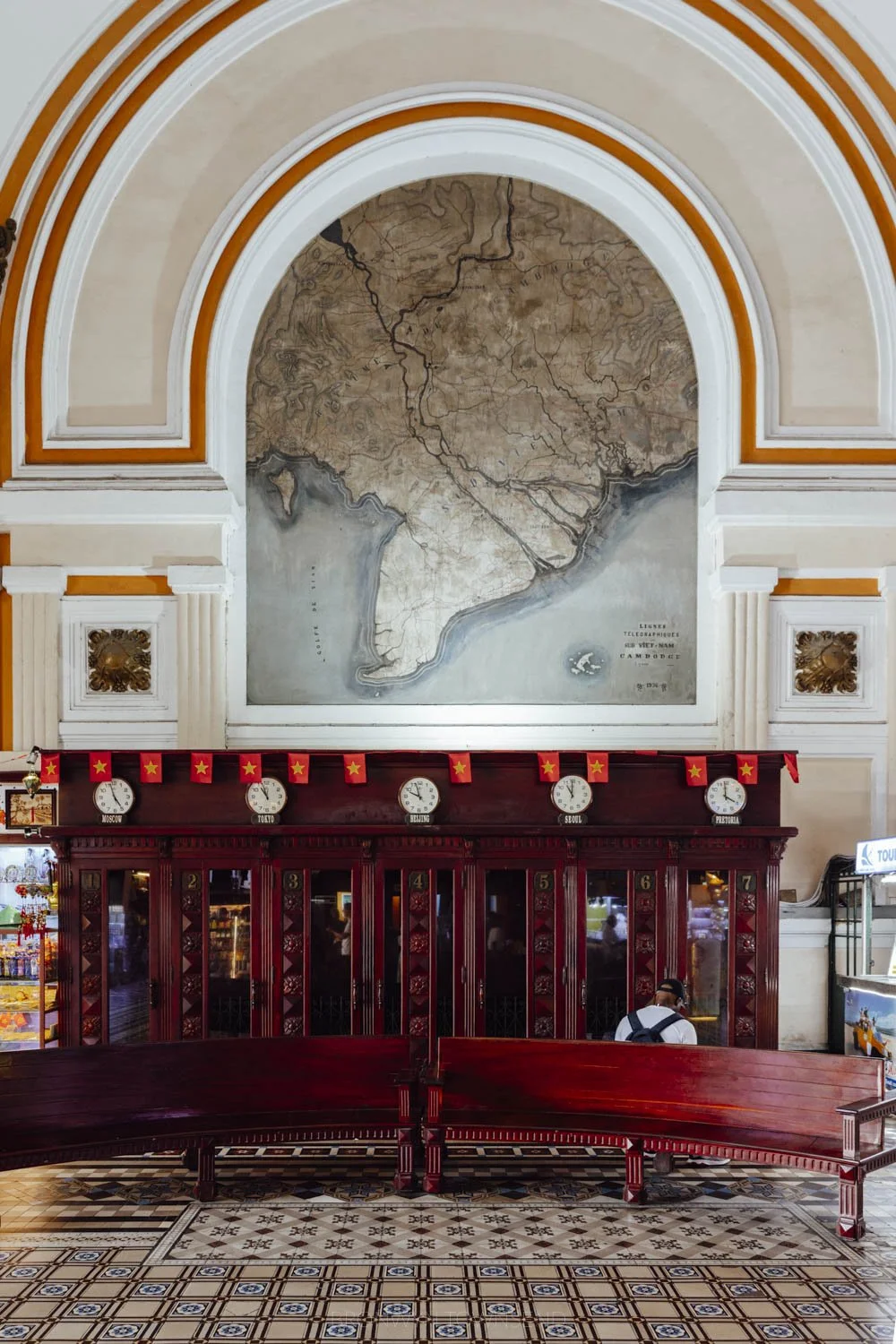
Saigon Central Post Office
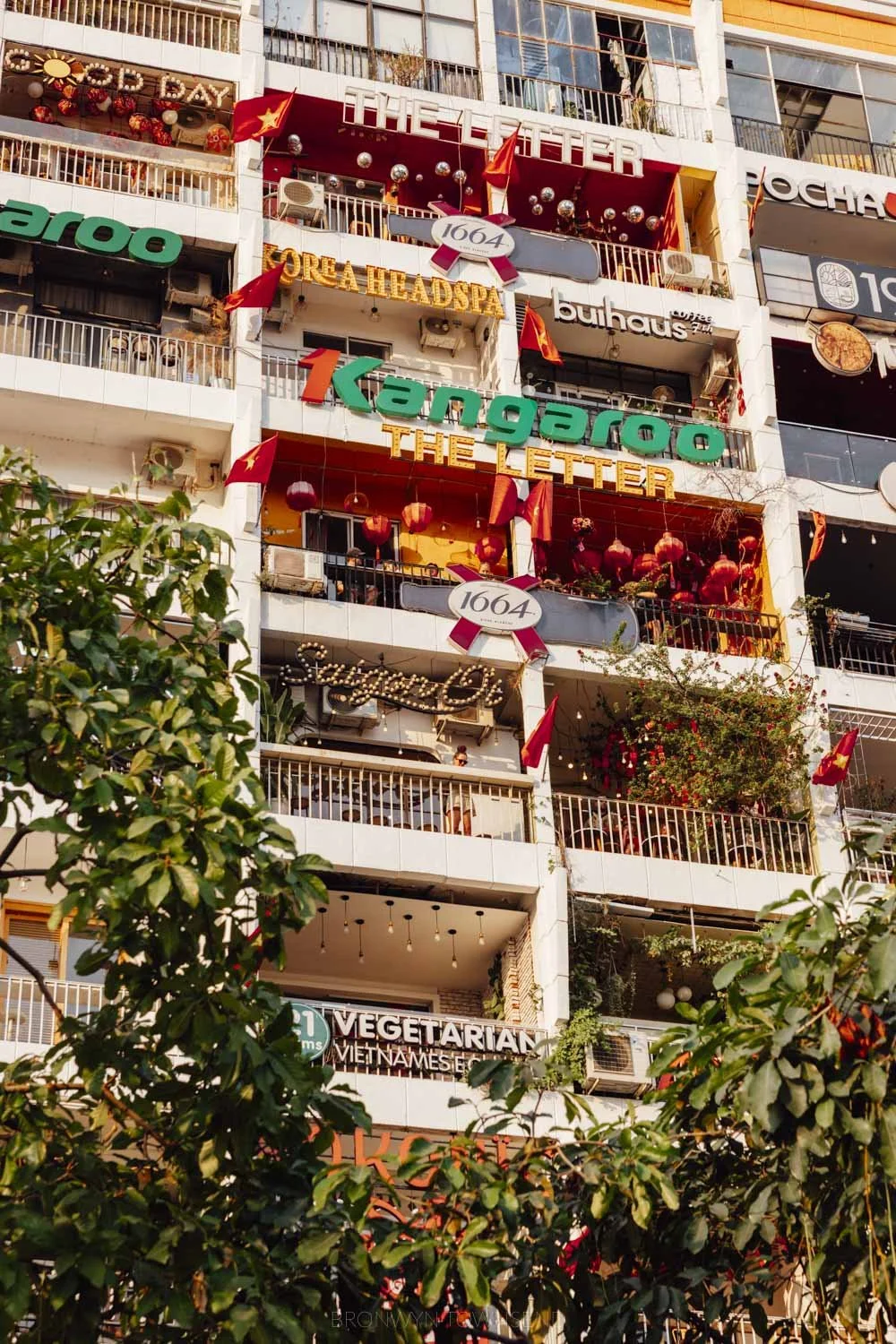
Cafe Apartments
Day 12 | Cu Chi Tunnels and Saigon Sky Deck
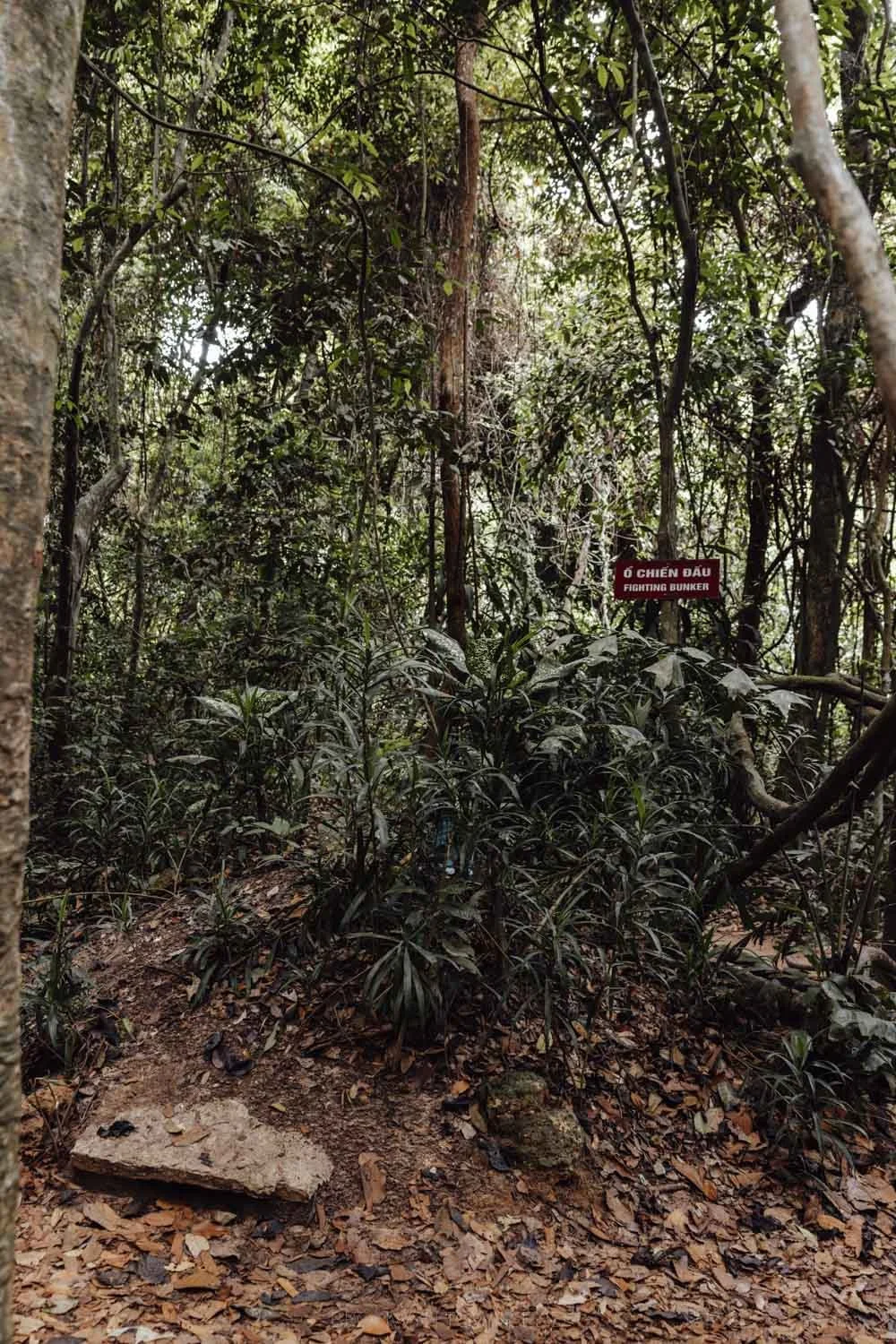
Start your day with a half-day tour to the Cu Chi Tunnels. I took this tour to the nearby but less crowded Ben Duc Tunnels and it was definitely the right choice. Just a small group of seven people, and with only three other small groups there at the same time as us, it didn’t feel crowded or overcommercialised.
If you’re not familiar, the Cu Chi Tunnels are a cast underground tunnel network that were originally built during the 1940s as part of the resistance movement against French Colonial rule. Later, the more than 250km warren of narrow subterranean paths were a key part of the defence and, most importantly, offence used by the Viet Cong during the Vietnam War.
It’s a must-do on any Saigon itinerary, and if you’re not claustrophobic, an eye-opening experience to get a taste of what life was like for the soldiers of the National Liberation Front).
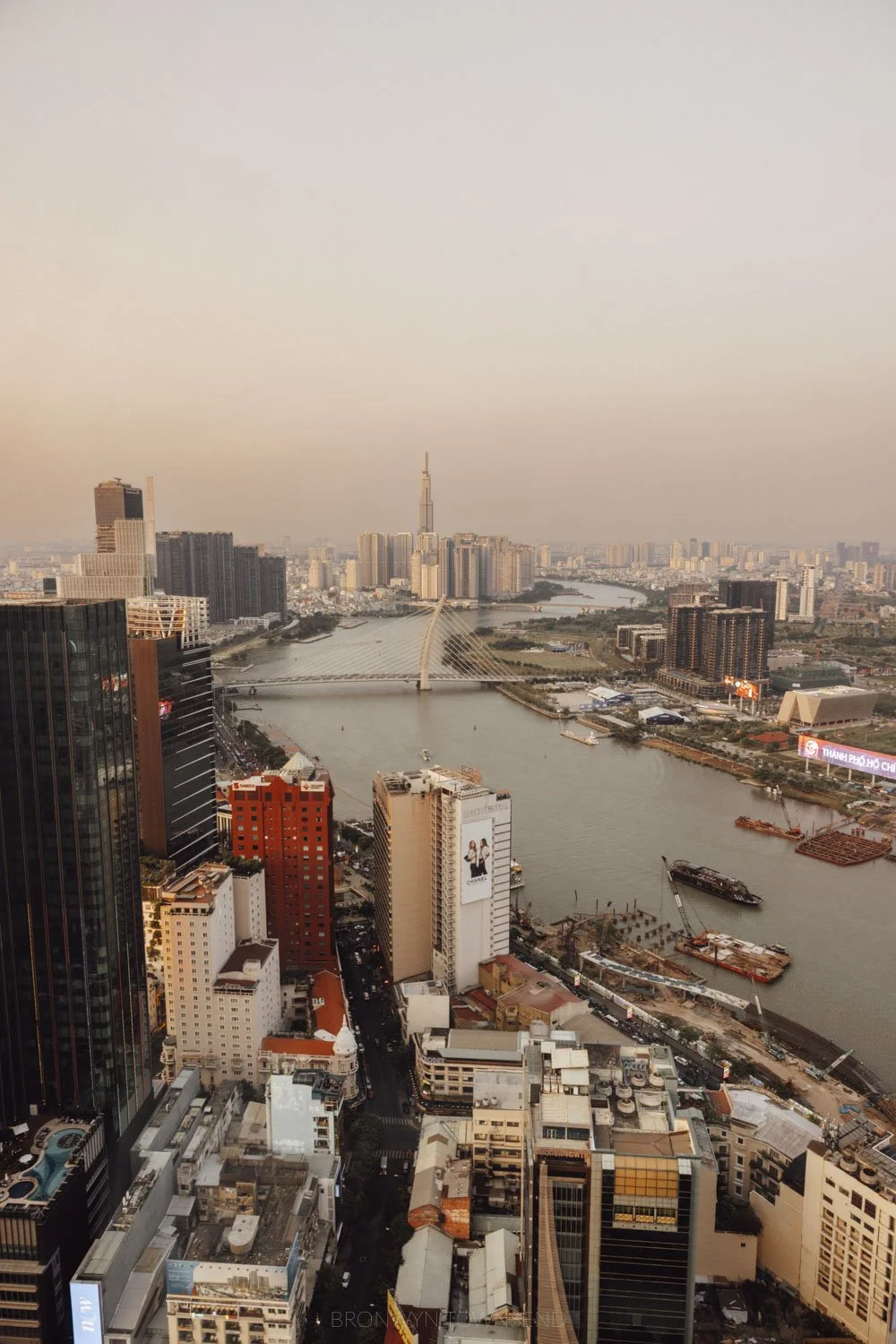
Expect to arrive back in Ho Chi Minh City around 2-3pm. You’ll probably want to freshen up or take a swim at your hotel pool. Then, head to Saigon Skydeck around 30-45 minutes before sunset.
Take in sweeping views across the skyline, Saigon River, and watch as the city transforms from day to night. For dinner, make your way to Bep Me In, which serves lots of Vietnamese classics.
Day 13 | Wrapping up Saigon
Ho Chi Minh City is an enormous, sprawling city that has developed quickly and become a rising metropolis drawing visitors and businesses. And if you made your way up to Saigon Skydeck, you’ll have seen how far the city spans.
But most visitors will spend most of their time exploring District 1. There’s a few places still to visit this morning before taking an afternoon food tour.
Start at Tan Dinh Church, the iconic pink church you’ve no doubt seen across your Instagram feed. There is a branch of Cong Caphe across the road with a great straight on view, but it’s usually very busy and I honestly don’t recommend battling the crowds. Instead, snap your photos (and peep inside if there isn’t a service being held), then head just down the street to Sipply Coffee Roastery. The coffee is excellent and the vibes are on point.
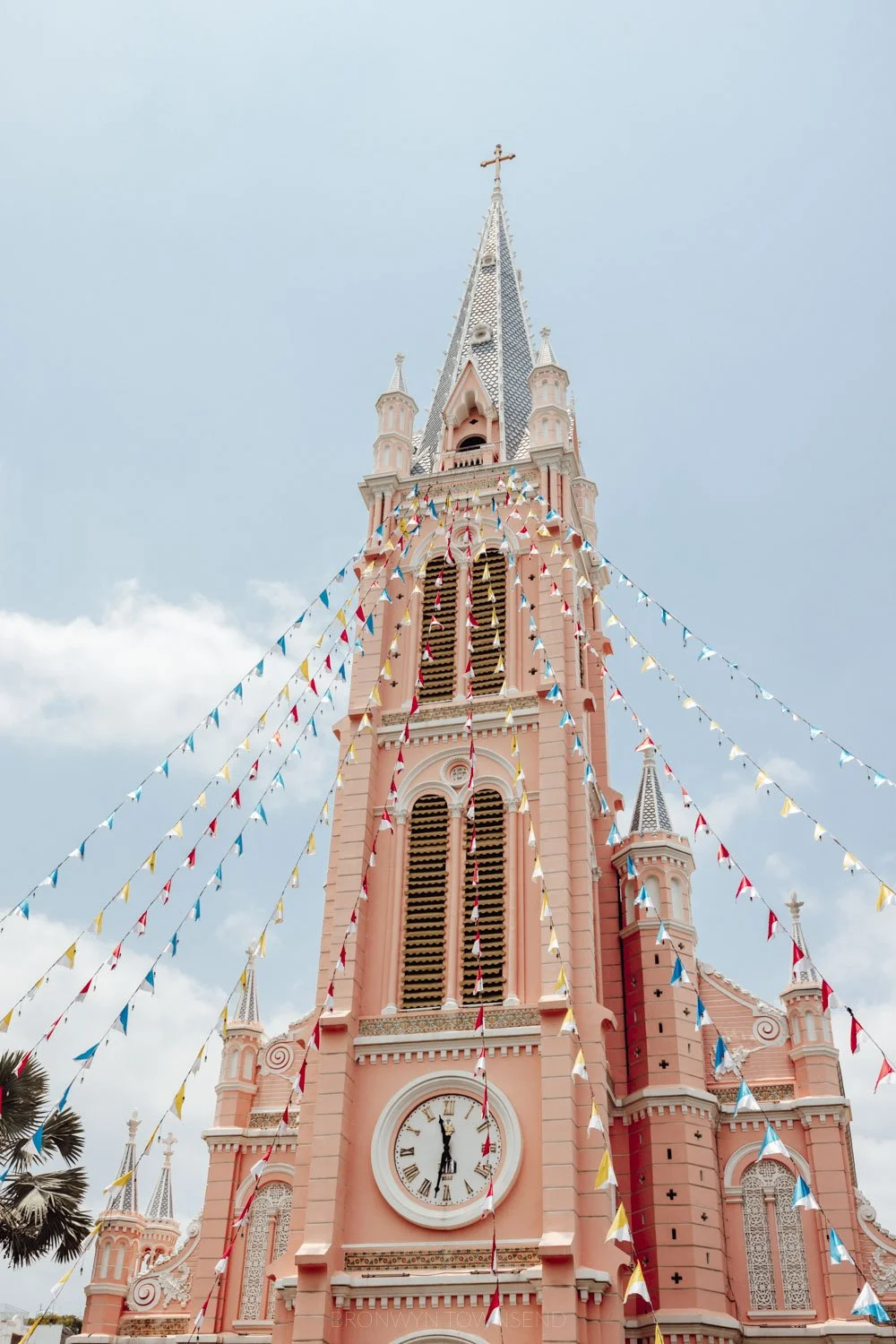
Tan Dinh Church
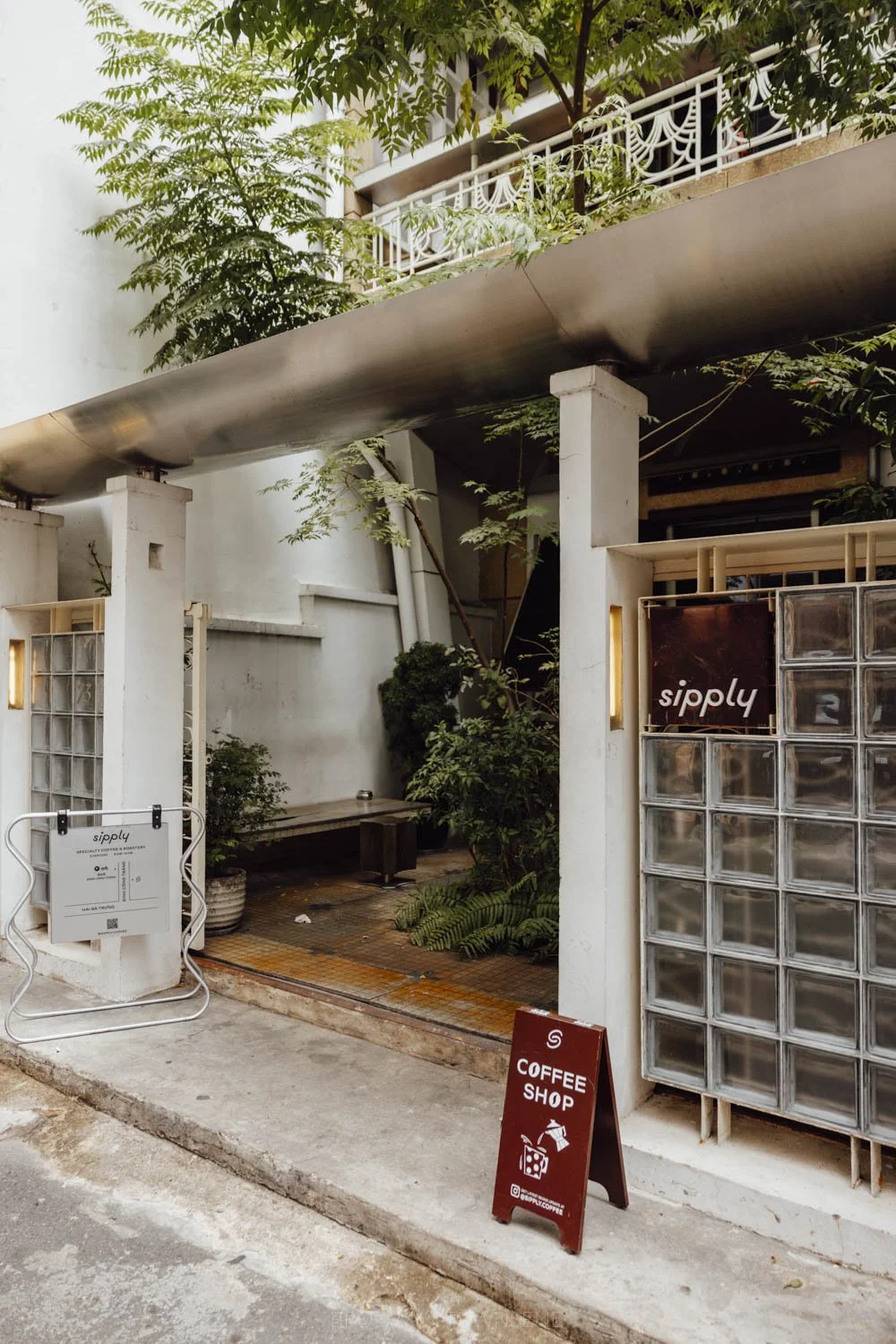
Sipply Coffee, 2 mins from the pink church
There is the Tan Dinh Market just up the road, which is less touristy than Ben Thanh Market and offers a glimpse into everyday life in Saigon. From there, jump in a grab to Jade Emperor Pagoda.
This atmospheric 20th temple was built by the Cantonese community in Ho Chi Minh City and is dedicated to Jade Emperor, the Taoist god over heaven and the universe. Enjoy a moment of quiet as you take in the ornate roof carvings and intricate woodwork.
By now, you’ve probably worked up an appetite. Lunch (and dinner) are covered by this three hour food tour. Visit seven spots for tastings, as well as some of the city’s sights not already covered in this itinerary. With so much to choose from, skip the overwhelm and let yourself be guided by a local expert. This is the one activity I regret not doing while we were in Saigon!Not much of a foodie, then some other spots you can check out are:
The Ho Chi Minh City Museum
Independence Palace
Or learn the art of Vietnamese coffee with this workshop, so you can take your skills home with you
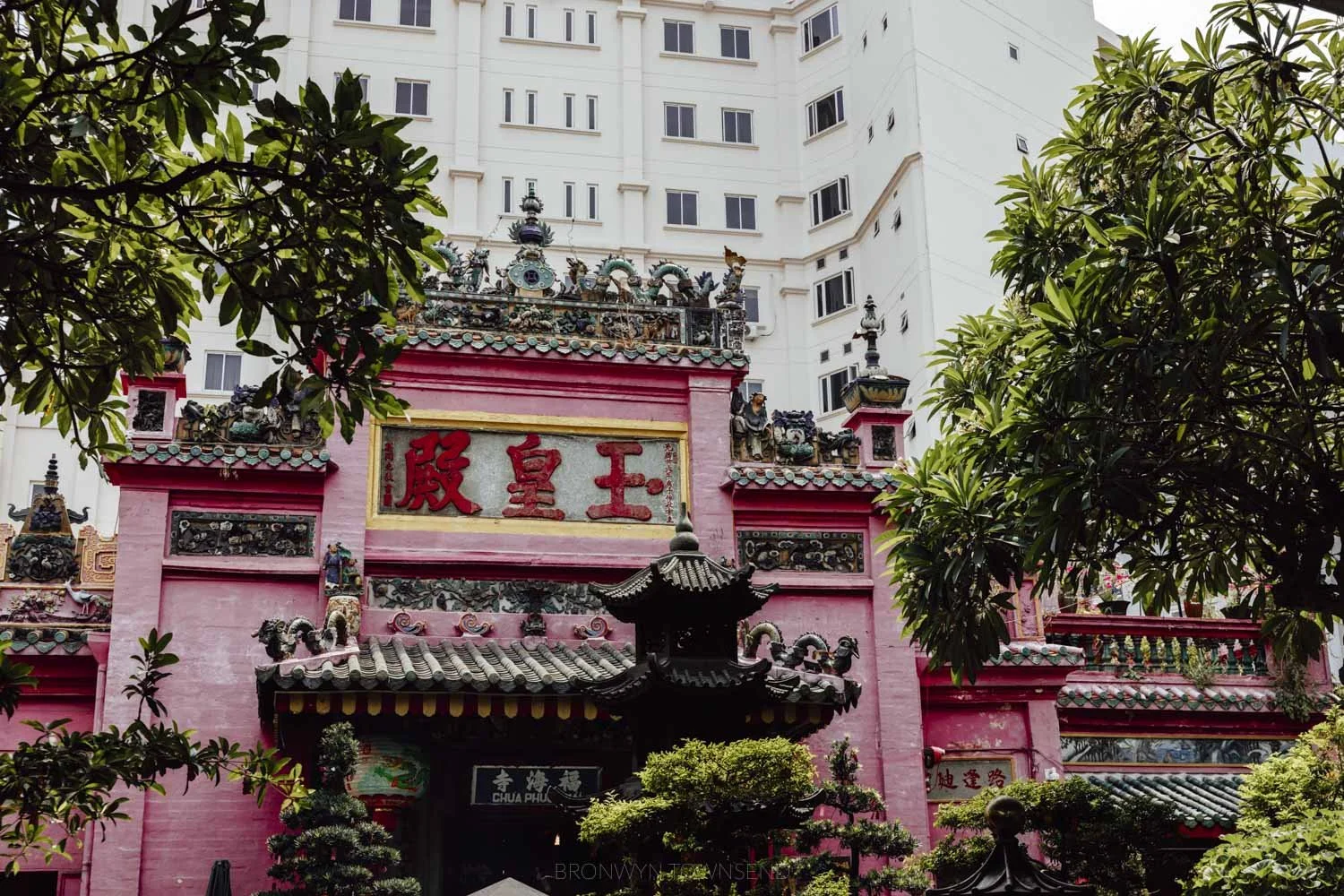
Jade Emperor Pagoda
Day 14 | Depart Ho Chi Minh City
It’s time to say goodbye to Vietnam. If you’ve got a morning flight, enjoy breakfast at your hotel and then make your way to the airport. If you have a few hours to spare, then take a final wander around District 1, find a cafe for one last Vietnamese coffee, and enjoy your final moments in Saigon.
I hope you found this Vietnam two-week itinerary helpful in planning your trip!
Is 2 weeks in Vietnam long enough?
One thing I’ve learned in my years of extensive travelling, is that you’ll never have enough time to see and do everything on our list. Two weeks in Vietnam will barely scratch the surface of the breadth of culture, scenery, and culinary riches that the country offers. But, this itinerary gives a good taste of what this Southeast Asian country can reveal of its storied past and vibrant present.
Should I start in Hanoi or Ho Chi Minh City?
Where you start really depends on the most suitable flights from your departure city. I could only find direct flights from Sydney to Hanoi for specific dates, so I made that my starting point and made my way down south so I could also take a direct flight home from Saigon. But this itinerary can be done in either direction.
Where you start is most likely going to be influenced by whether you’re based in the southern or northern hemisphere. And despite Hanoi being the capital, Ho Chi Minh’s airport serves as the gateway for international flights.
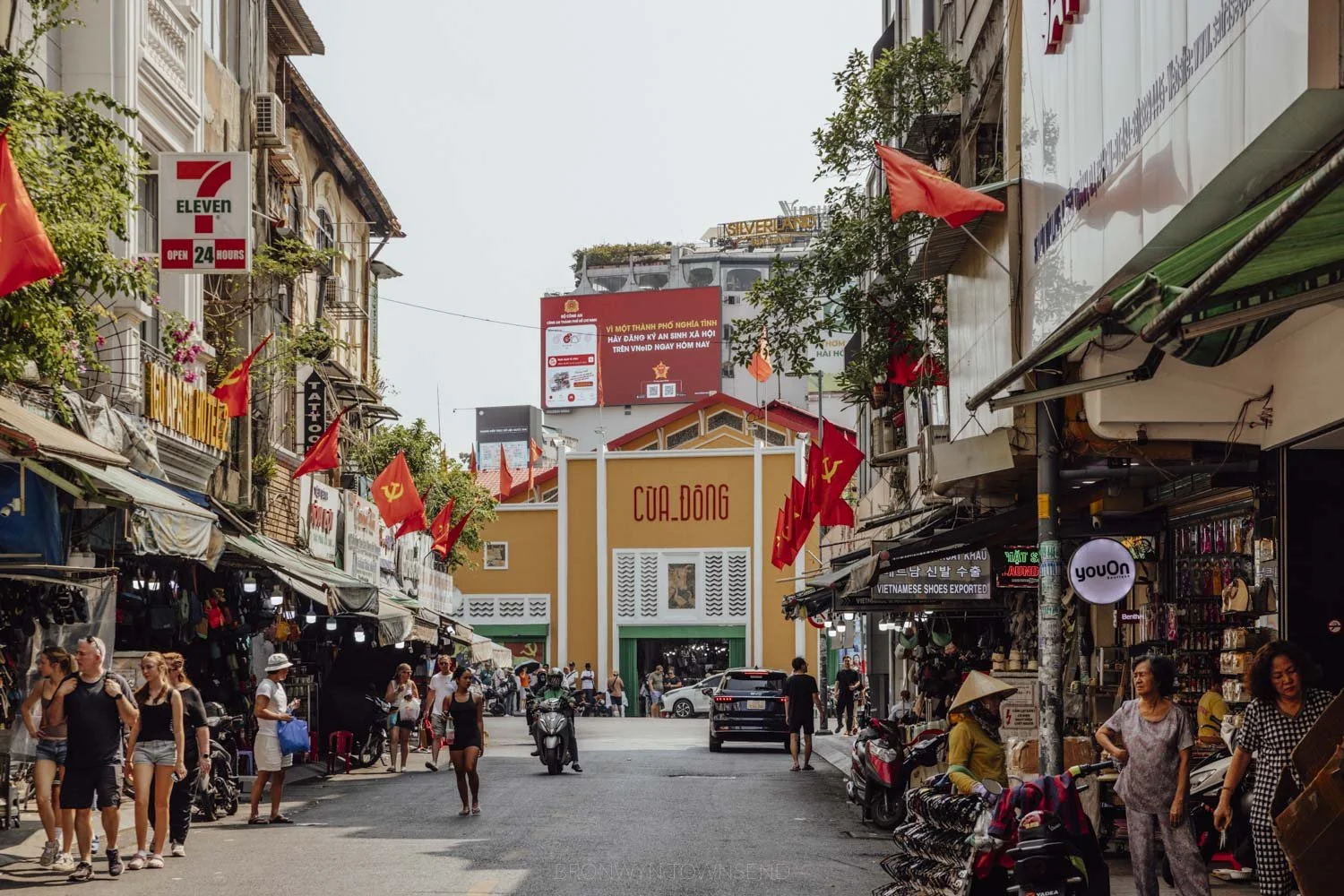
When is the best time to visit Vietnam?
If you’re following this itinerary in either direction, then as it covers the length of this multi-climate country I’d recommend March to April, as the weather is generally favourable across most regions, with moderate temperatures and the dry season in full swing.
If you can’t visit in the spring, then understanding regional climates and seasons may influence where you choose to start.
Hanoi and Northern Vietnam | November to April is cooler and dryer, May to October is hot, humid, and rainy
Hoi An, Hue, and Central Vietnam | January to August is hot and dry, September to December is rainy with potential typhoons and possible flooding
Ho Chi Minh City and Southern Vietnam | November to April is hot and dry, May to October is warm and wet with heavy but short bursts of rainfall
With that said, I visited from late March to mid-April and sweated through a two-week heatwave, where temperatures across northern and central Vietnam hit highs of 38 degrees. A lot of coconut coffees were sipped for reprieve.
How to get around Vietnam
Getting around Vietnam is both affordable and accessible. The rail network built during the Colonial era, night buses, and well-connected domestic air travel hubs make moving through the country fairly straightforward.
Given the length of Vietnam, flying is the most efficient way to cover long distances, and mostly what I recommend for this specific itinerary.
By air
If you’re covering long distances, then flying is the most convenient and efficient way. There are several local airlines to choose from, but my recommendation is Vietnam Airlines if your budget allows. This is who I used for my international and domestic flights for Vietnam and was happy with the service.
Plenty of major cities are connected by air, including Ho Chi Minh, Hanoi, Hue, Da Nang, and Phu Quoc, among others. Domestic flights are often available for AU$70-100 per person if you book in advance and not during major holidays, like Tet.
By rail
If you prefer the scenic route, and have time to afford a slower mode of transport, then the trains in Vietnam are a great option. From luxury sleeper trains, sightseeing options, and local routes, Vietnam’s railway system is extensive and affordable.
Most of this itinerary recommends flying, however I do recommend the Hai Van Pass journey on the day from Hoi An to Hue. If you’d rather not fly, then take the Reunification Express that winds its way 1700km from Hanoi to Ho Chi Minh City through mountainous scenes and along a spectacular coastline.
By bus
Night Buses are another option, especially for budget travel. You can book tickets through 12go for as little as AU$20-25 to cover long distances between major cities. Most come with berths that provide a small pillow, blanket, and a USB port for charging. These can be a little tight if you’re tall though.
For a more spacious option, you could consider the limousine bus. These tend to offer more privacy and a more premium experience if you are travelling long distances by bus.
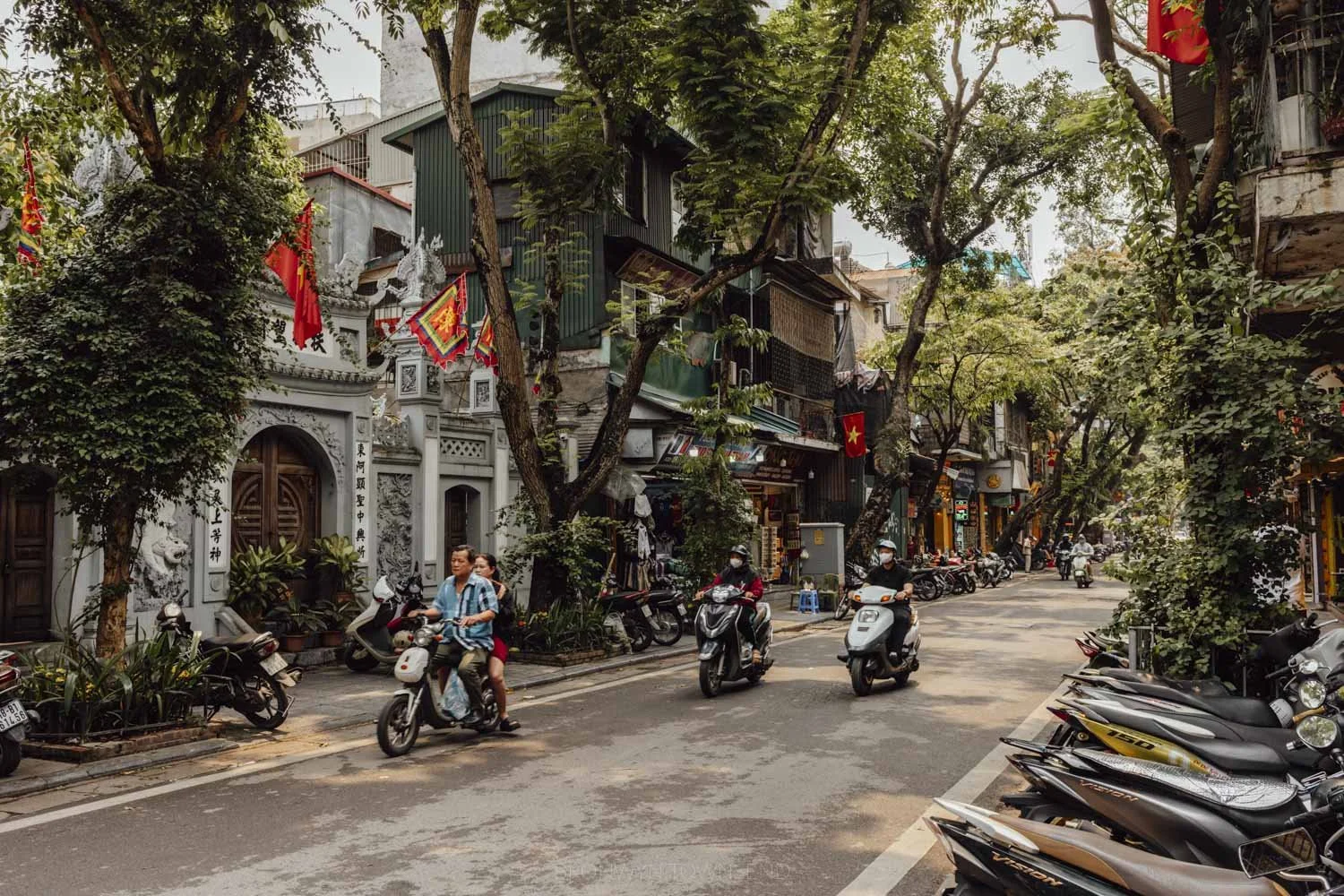
Do I need cash in Vietnam?
Yes. While I found a lot of information online telling me that card payments were widely accepted, it’s not as simple as that. Often, if a restaurant or hotel does accept card, there is typically an additional card fee (on top of what your bank might charge) that ranges from 2-5% of the transaction cost. This adds up quickly.
Supermarkets, convenience stores, and larger hotel chains usually accepted card payments without a surcharge. But we still needed cash. A lot. From market stalls to restaurants and tourist attractions, cash was often the preferred payment method. Card was more widely accepted in Ho Chi Minh, but we still needed cash there too.
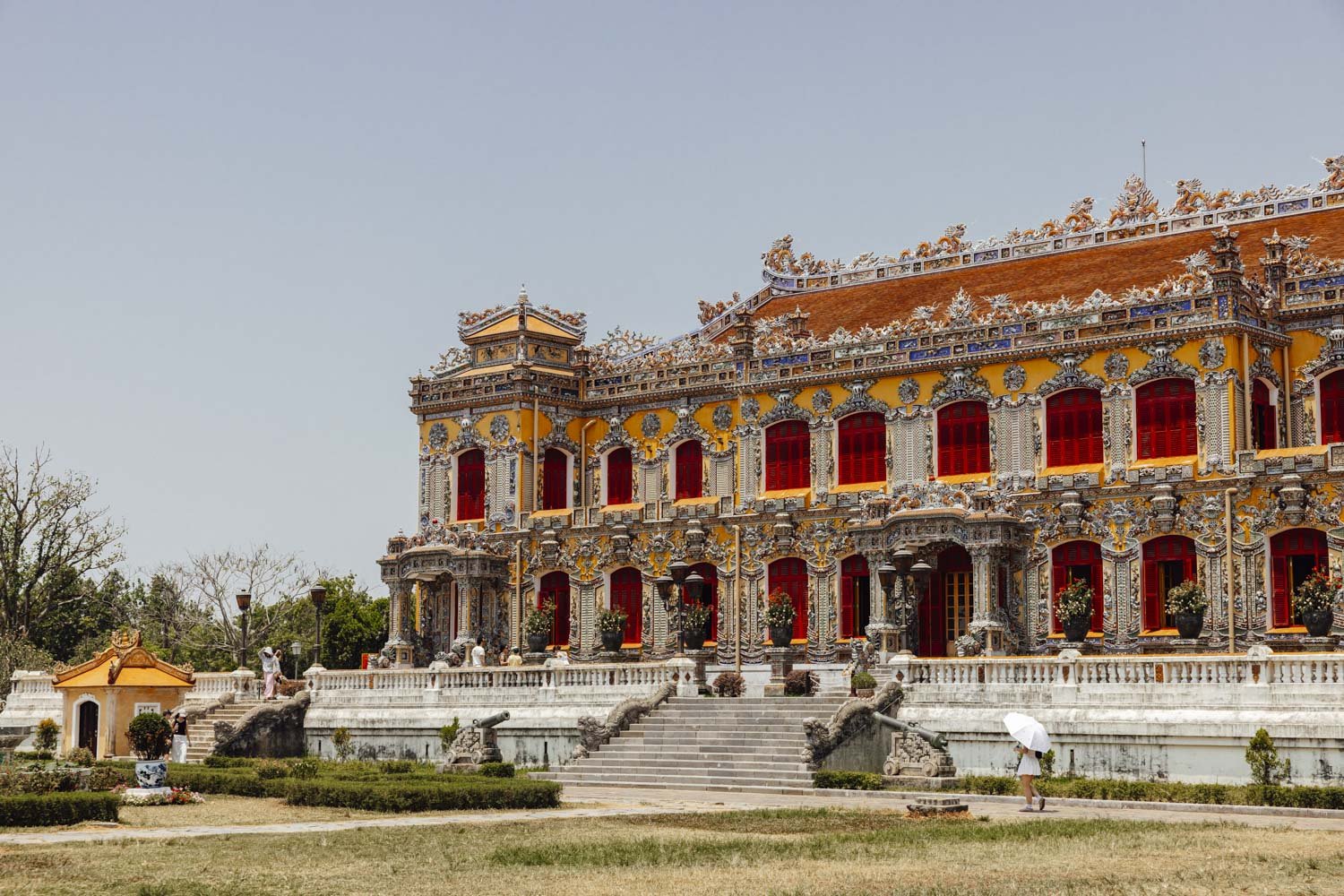

This highlight in Central Vietnam is full of wonder. Discover the best things to do in Hue, Vietnam from the Imperial Citadel to flavour-packed cuisine.