Kanazawa vs Kyoto: Which Japanese City Is Right for You?
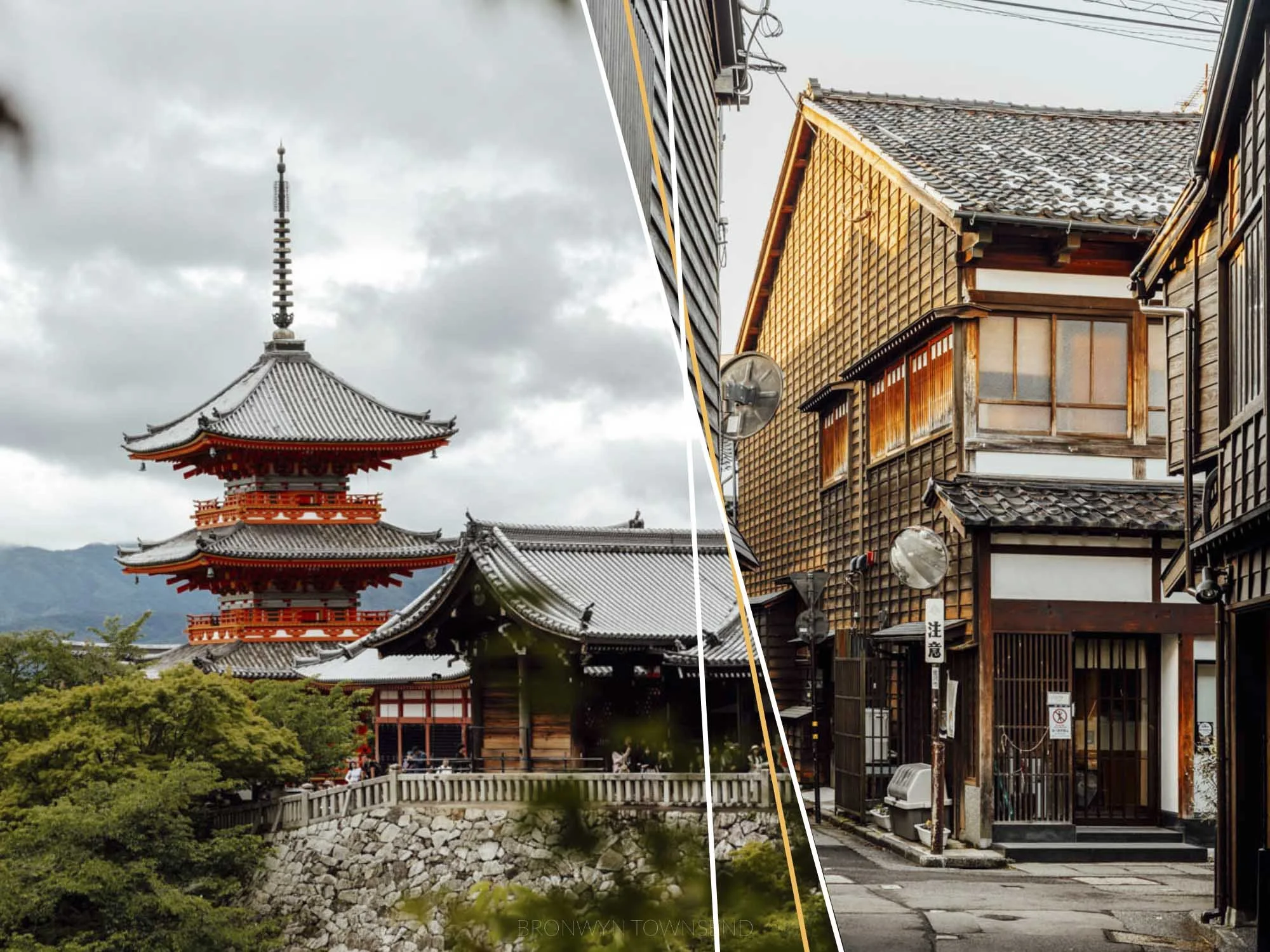
Feeling confused about whether you should visit Kyoto or Kanazawa? Both offer exceptional cultural and artistic heritage, with impressively preserved historic districts. This guide helps you determine which is the right choice for you with a detailed comparison of the two cities.
This post may contain affiliate links.
If you choose to purchase I may receive a small commission at no additional cost to you. By using these links, you are supporting the ability for me to continue creating content for this site and its running costs.
Historic teahouse districts, geisha, and one of Japan’s best seafood hubs are just a few of the reasons that Kanazawa has been dubbed ‘little Kyoto’. However, these two cities, while both deeply connected to Japan’s artisan heritage and steeped in culture, are very different destinations.
If you’re trying to decide whether to visit Kyoto or Kanazawa, this guide is for you. I’ve spent time in both cities on multiple trips to Japan, and they both are right up there among my favourite destinations in Japan. I’ve even co-authored a city guide about Kanazawa with Lodestars Anthology, so it’s safe to say I’ve spent enough time delving below the surface to help you decide whether Kanazawa vs Kyoto is your best fit.
In Kyoto, history is woven into daily life in a way few cities can match. Centuries-old temples are sandwiched between modern cafes, and ancient traditions still shape the city's rhythm. The vermilion gates of Fushimi Inari Taisha climb into the forested hills, moments of reflection can be found in manicured shrine gardens, and the preserved streets of Gion hint at the elegance of Japan’s geisha culture.
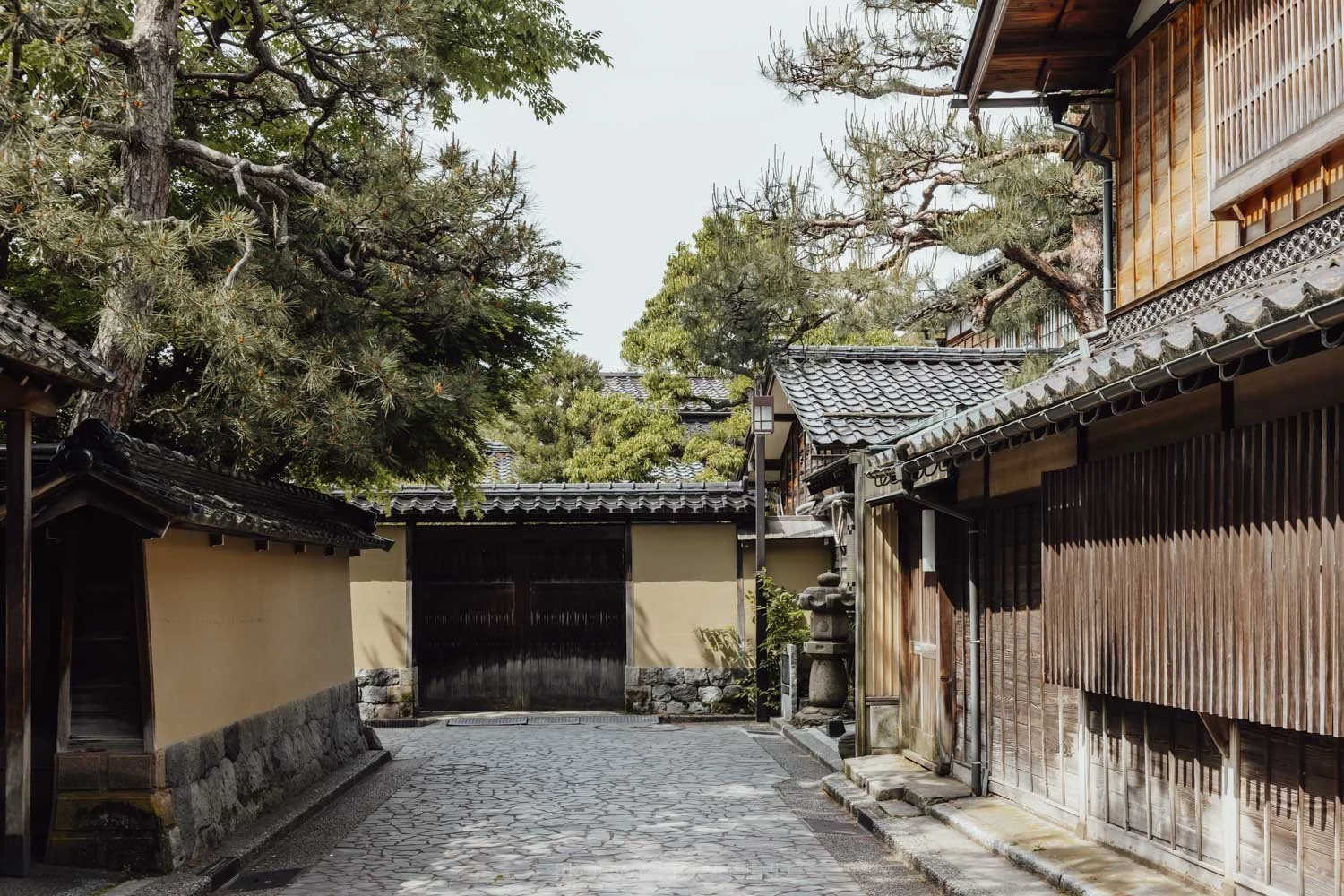
By contrast, Kanazawa’s appeal is best found in its intimacy and balance. Its compact nature makes it walkable, and beautifully preserved districts that move to a gentle hum but don’t feel overcrowded. Kenroku-en offers sweeping seasonal beauty, from cherry blossoms to snow-covered pines, while the wooden machiya of Higashi Chaya District reflect the city’s refined Edo-period heritage, and you can retrace the footsteps of samurai and feudal lords in Nagamachi.
To help you make a decision, I will cover a little history on both cities, key attractions in Kyoto and things to do in Kanazawa, the food scene and cuisine, and accommodation and transport options.
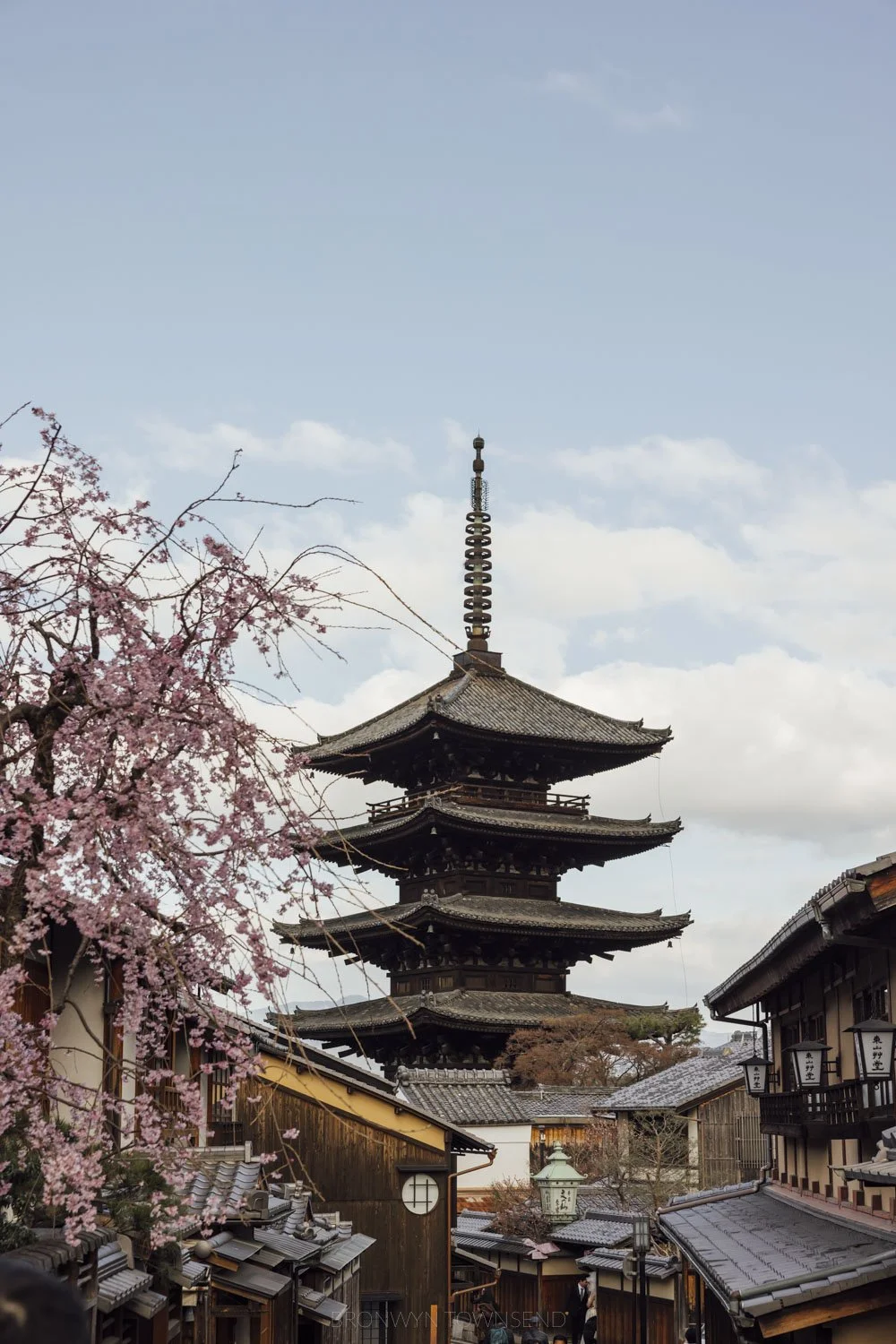
Sannenzaka, Kyoto
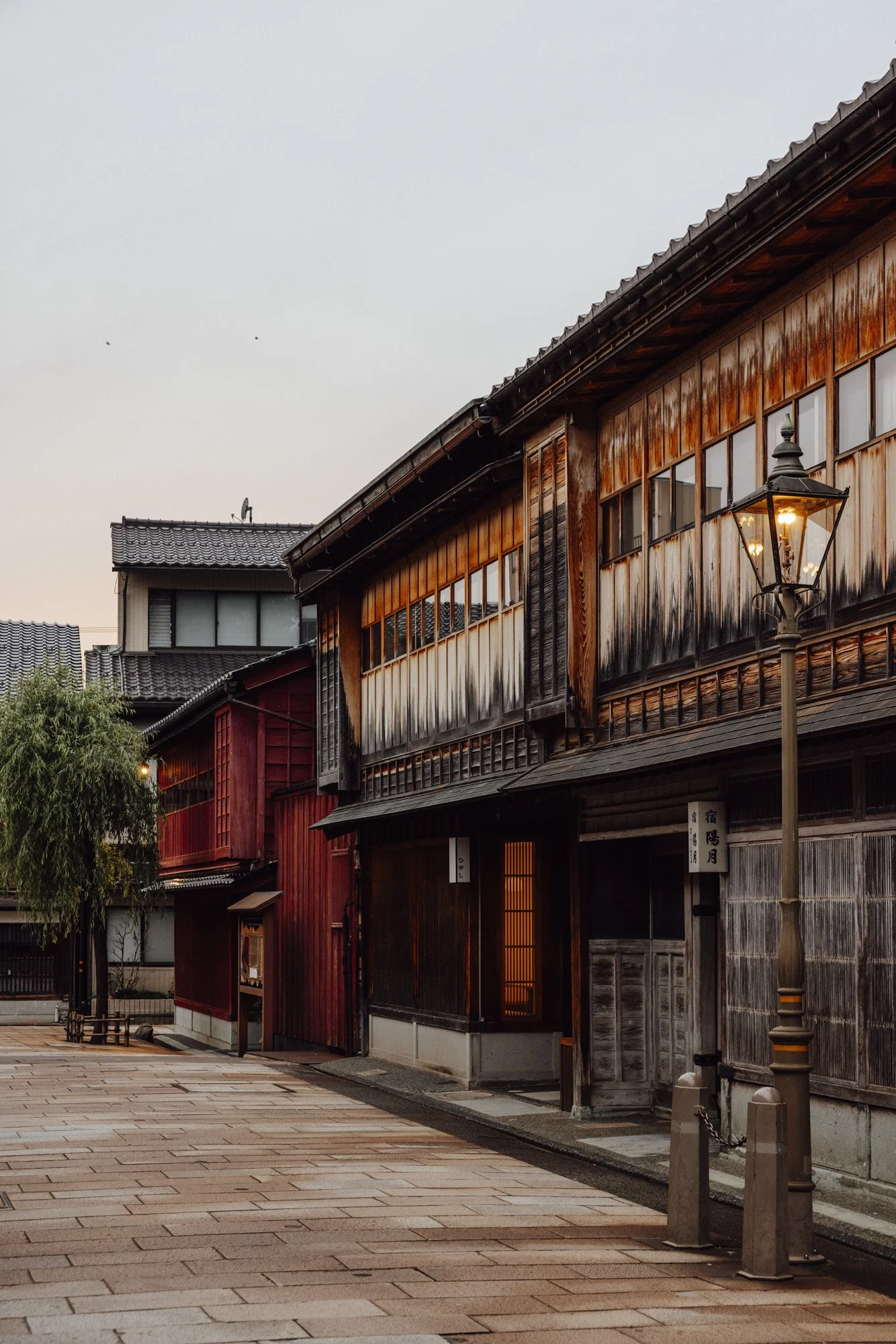
Higashi Chaya, Kanazawa
Quick Overview: Kanazawa vs Kyoto at a Glance
Why Visit Kyoto?
Kyoto served as Japan’s imperial capital for over a millennia (794–1868), shaping the country’s culture, religious traditions, and artistic refinement. Emperors ruled from here, aristocrats cultivated poetry and ceremony, and Zen Buddhism took deep root within temple complexes that still define the city’s landscape today.
With over 1,600 temples and 400 Shinto shrines, including famous landmarks such as Kinkaku-ji, Kiyomizu-dera, and Fushimi Inari Taisha, Kyoto has earned its reputation as the spiritual and cultural heart of Japan.
Spared from significant damage during World War II, Kyoto is layered and ceremonial, yet comfortably lived-in. Traditional wooden machiya townhouses line narrow lanes and babbling canals weave through the city under canopies of maple and cherry trees. Tea ceremonies are still practiced with quiet precision, and seasonal rituals shape the rhythm of the year, from temple illuminations to summer matsuris.
Kyoto’s artistic culture has also been a drawcard for visitors, both domestic and international. Deeply rooted in centuries of imperial patronage, religious tradition, and refined craftsmanship, traditional calligraphy, pottery, and ikebana (flower arranging) are still actively practiced. It’s not only artistic legacy that remains strong though, contemporary galleries and craft workshops continue to innovate, making Kyoto a place where historical artistry and modern creativity coexist seamlessly.

Kiyomizu-dera temple in November, Kyoto.
Why Visit Kanazawa?
Once ruled by one of Japan’s most wealthy feudal families, the powerful Maeda clan, Kanazawa rose to prominence during the Edo period. Similarly to Kyoto, Kanazawa escaped major destruction during World War II, meaning large portions of its samurai and merchant districts remain intact. The Nagamachi Samurai District still echoes with the legacy of the warrior class, while Kenroku-en, one of Japan’s three great gardens, reflects the refined taste of its former rulers.
Culturally significant but more understated than Kyoto, Kanzawa appeals to travellers looking to step away from the well-trodden Golden Route. Three impressively preserved teahouse districts showcase Edo-period architecture and geiko traditions in a less commercialised setting.
Renowned for its craftsmanship, from gold leaf production to Kutani ceramics and lacquerware, Kanazawa’s art scene blends samurai-era heritage with contemporary creativity. It’s this cultural richness that keeps drawing me back to the city.
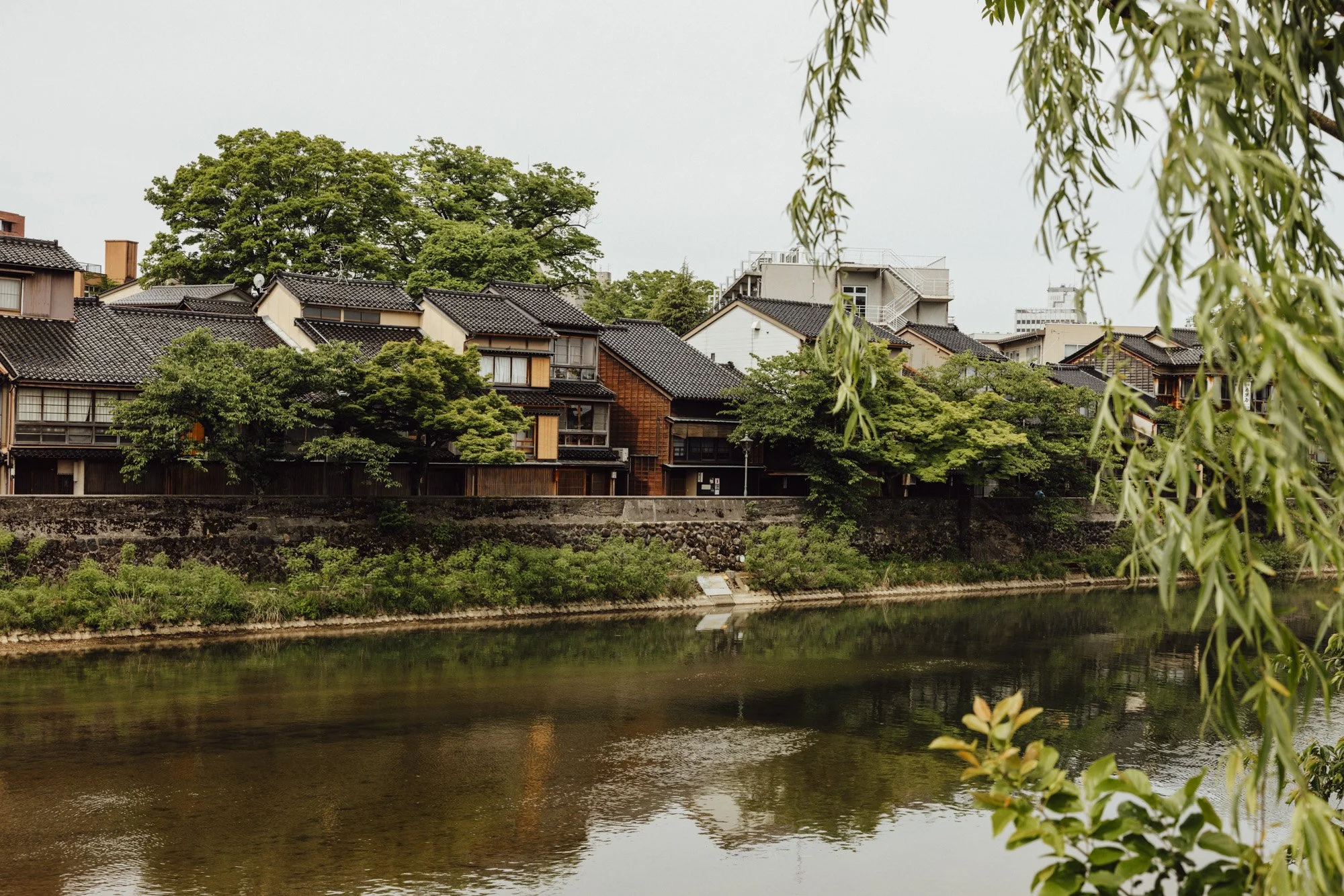
Asano River, Kanazawa.
Kanazawa vs Kyoto: Which Has Better Things to Do?
Temples and Shrines
If visiting temples and shrines is a high priority for you, then nowhere can compare to the variety and volume found in Kyoto. While well-known sites like Fushimi Inari Taisha or Kiyomizu-dera are often crowded, there are so many under-the-radar spots where you can find the quiet and opportunity for reflection.
Tenjuan, a subtemple in the Nanzen-ji complex, is particularly magical during spring and autumn, with a rock garden, and a koi and turtle-filled pond. During cherry blossom and autumn leaf seasons, Daigo-ji is especially picturesque, and enjoy wandering through the (much quieter) bamboo grove at Kaido-ji, right in the heart of Higashima, yet often overlooked.
While Kanazawa can’t compete on volume, it does have its fair share of must-visit shrines and temples worth visiting. Oyama Shrine pairs unique European and Asian-blended architecture with a leafy garden that is one of my favourite places in the city. If it’s rows of vibrant vermillion torii gates you want to see, Ishiura Shrine just opposite Kenroku-en is considered the oldest in Kanazawa.
If you want to explore dozens of shrines and temples, then Kyoto wins.
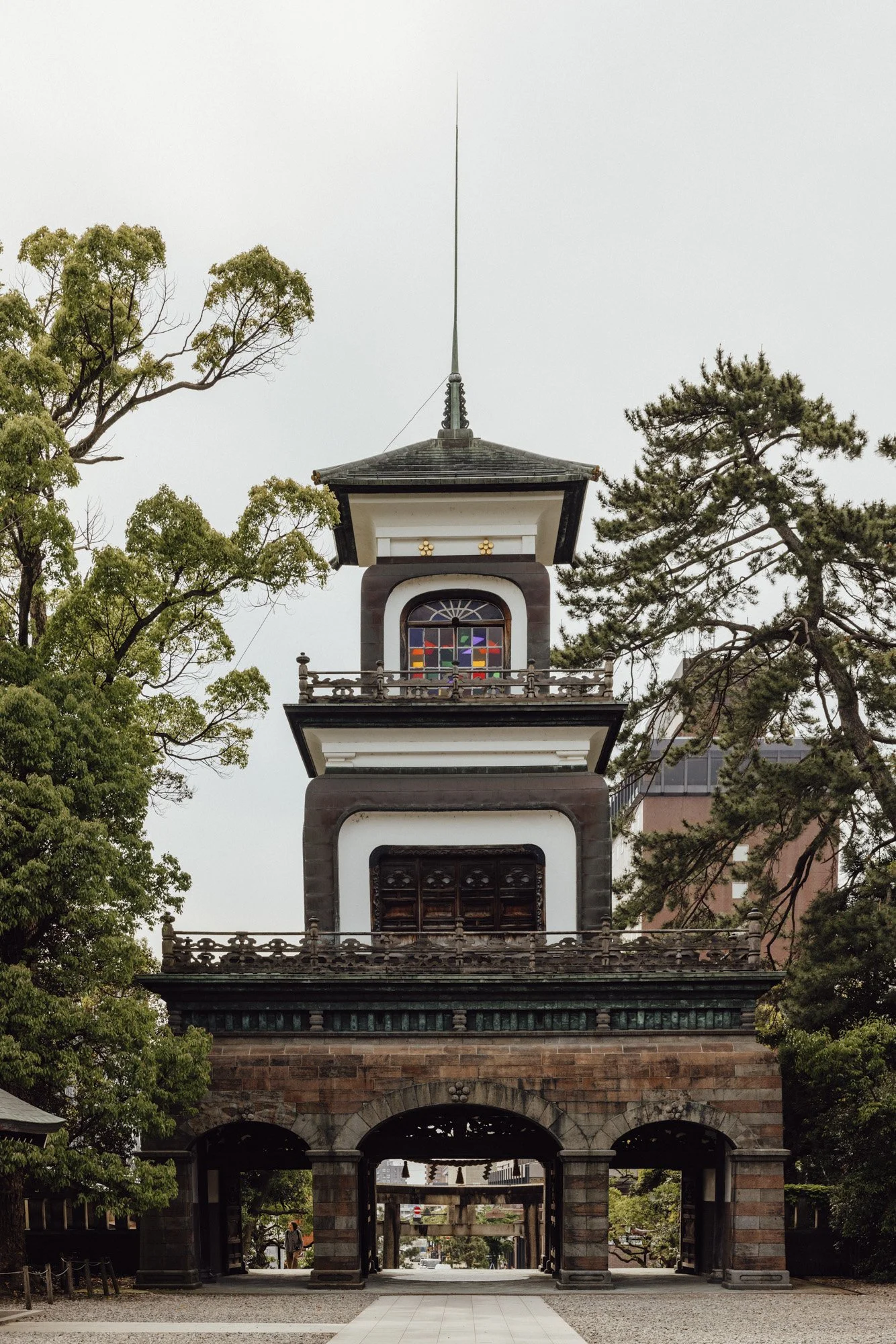
Oyama Shrine, Kanazawa
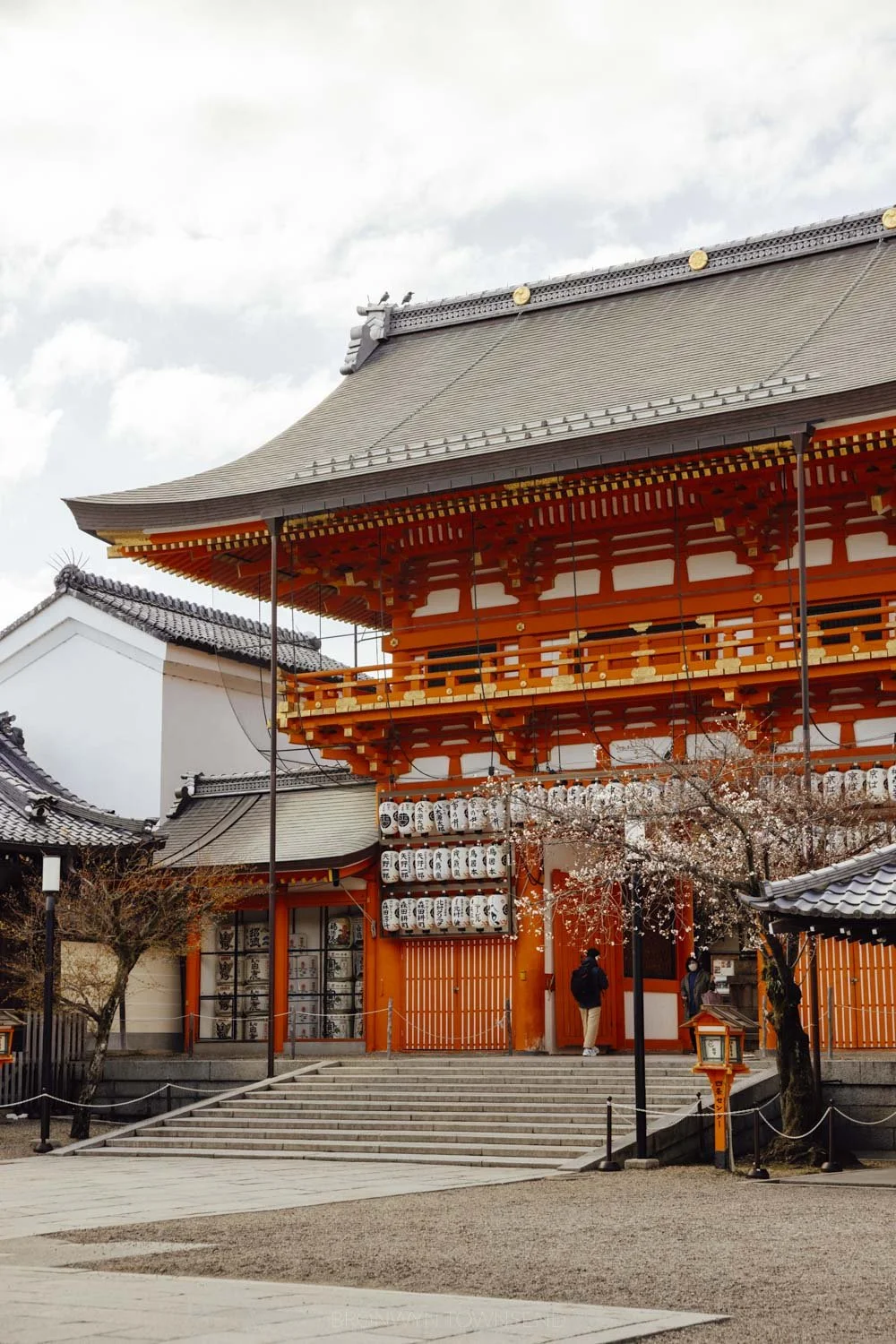
Yasaka Shrine, Kyoto
Traditional Districts & Geisha Culture
Both Kanazawa and Kyoto have a long history of teahouse districts and geiko culture, with exceptionally well preserved areas in both cities. The title for geisha in the Kansai and Ishikawa regions is geiko, and these regions offer insight into traditional entertainment and ceremony.
Kanazawa has three teahouse districts, Higashi Chaya, Kazuemachi, and Nishi Chaya. In Kyoto, Gion is the area where you can immerse yourself in the city’s Geiko history. Postcard perfect, narrow, lantern-lit streets lined with wooden machiya townhouses create a timeless, atmospheric setting in both cities. Expect a similar style of traditional architecture featuring wooden facades, lattice windows, and stone-paved alleys.
The differences?
Gion in Kyoto is more commercialised and can feel very busy, especially during peak seasons. In Kanazawa, the largest teahouse district, Higashi Chaya, can offer a peaceful, more relaxed experience, although there are fewer options to book an experience. In Kanazawa, I attended a ‘Meet the Geiko’ experience at Kanazawa Asanogawa Enyukai Hall and it remains one of my favourite experiences.

Street in Gion, Kyoto

Higashi Chaya, Kanazawa
Gardens & Scenic Beauty
Both Kyoto and Kanazawa offer a premium garden experience, though they are distinctly different. Kanazawa is centred around one of Japan’s ‘Three Great Gardens’, Kenroku-en. Designed as a strolling garden by the Maeda Clan that were the rulers during the Edo period, it deserves several hours to explore.
Wide paths wind around ponds, teahouses, stone lanterns, and meticulously pruned pines, creating an immersive experience that unfolds gradually. The garden is especially striking in winter, when snowfall and traditional rope supports (yukitsuri) transform it into one of Japan’s most iconic seasonal scenes.
Alternatively, Kyoto’s garden experience is varied and shaped by spiritual context. Most often, gardens are part of shrine or temple grounds and a visit to a garden is rarely a standalone experience. This provides you with the opportunity to encounter different philosophies and aesthetics, such as the stark minimalism of the rock garden at Ryoan-ji to the pond-centered landscape of Tenryu-ji, or the meticulously maintained Okochi Sanso Garden in Arashiyama.
For variety, choose Kyoto. For a singular impressive experience, Kanazawa is a winner.

Kenroku-en Garden, Kanazawa
Museums & Artistic Culture
Kyoto’s art scene has a strong emphasis on traditional craftsmanship. Some of the most prominent establishments to celebrate the arts include, the Kyoto National Museum and the Kyoto City KYOCERA Museum of Art. Beyond museums, Kyoto’s creative identity lives in its workshops, where practices such as Kintsugi, Nishijin silk weaving, kimono dyeing, and ceramics continue to thrive. With a refined artistic atmosphere and mastery of traditional techniques, its scene is heritage-focused.
In Kanazawa, art balances historic craft with contemporary innovation. The 21st Century Museum of Contemporary Art anchors a modern gallery scene known for experimental exhibitions. While the historical legacy of kutani pottery and gold leaf production run through numerous experiences and pockets of the city. Kanazawa’s art scene feels like a dialogue between Edo-period craftsmanship and bold modern design, offering both cultural depth and creative contrast.
If it’s gold leaf that piques your interest, then choose Kanazawa, otherwise, both offer a great art and craft culture.
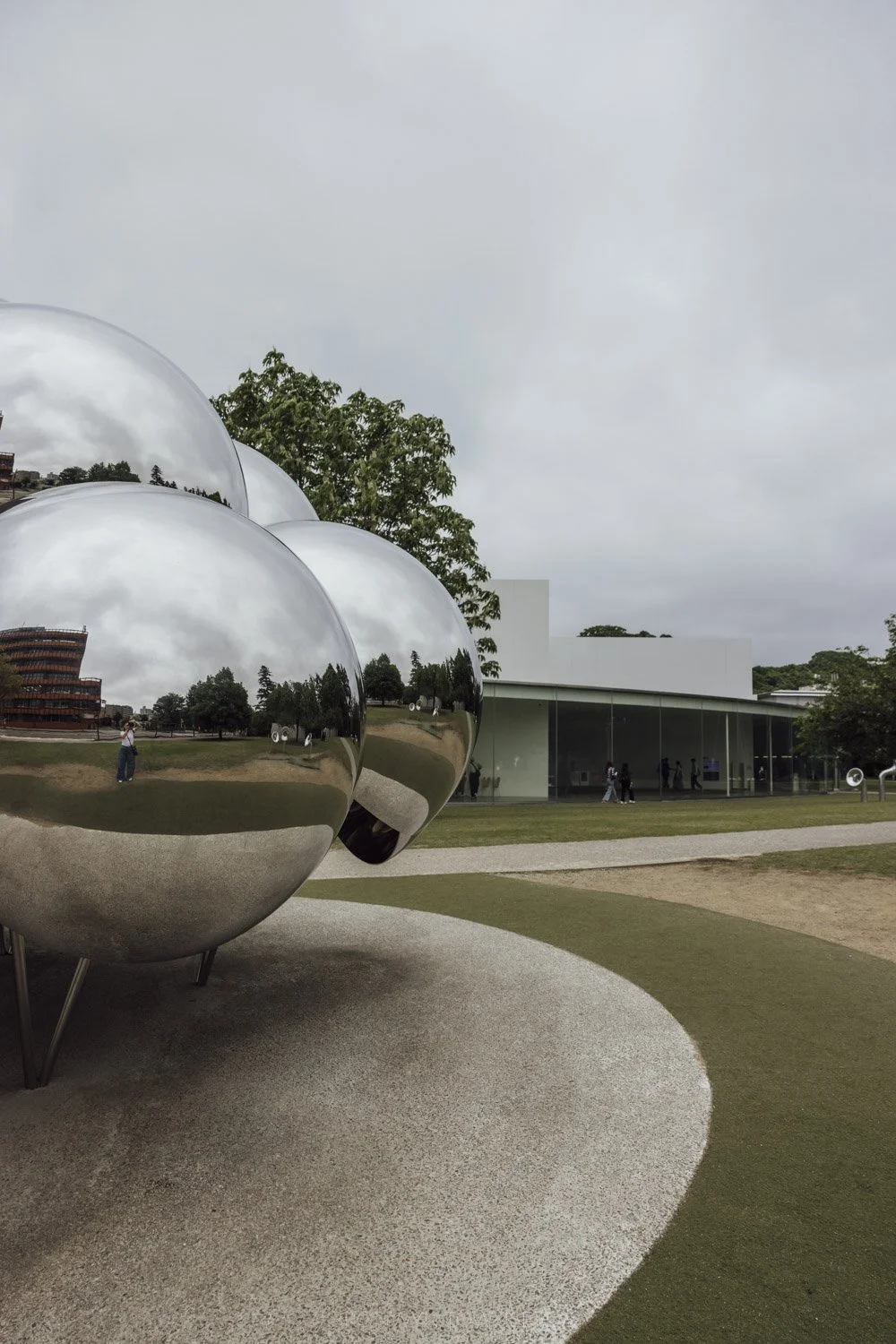
21st Century Museum of Art, Kanazawa
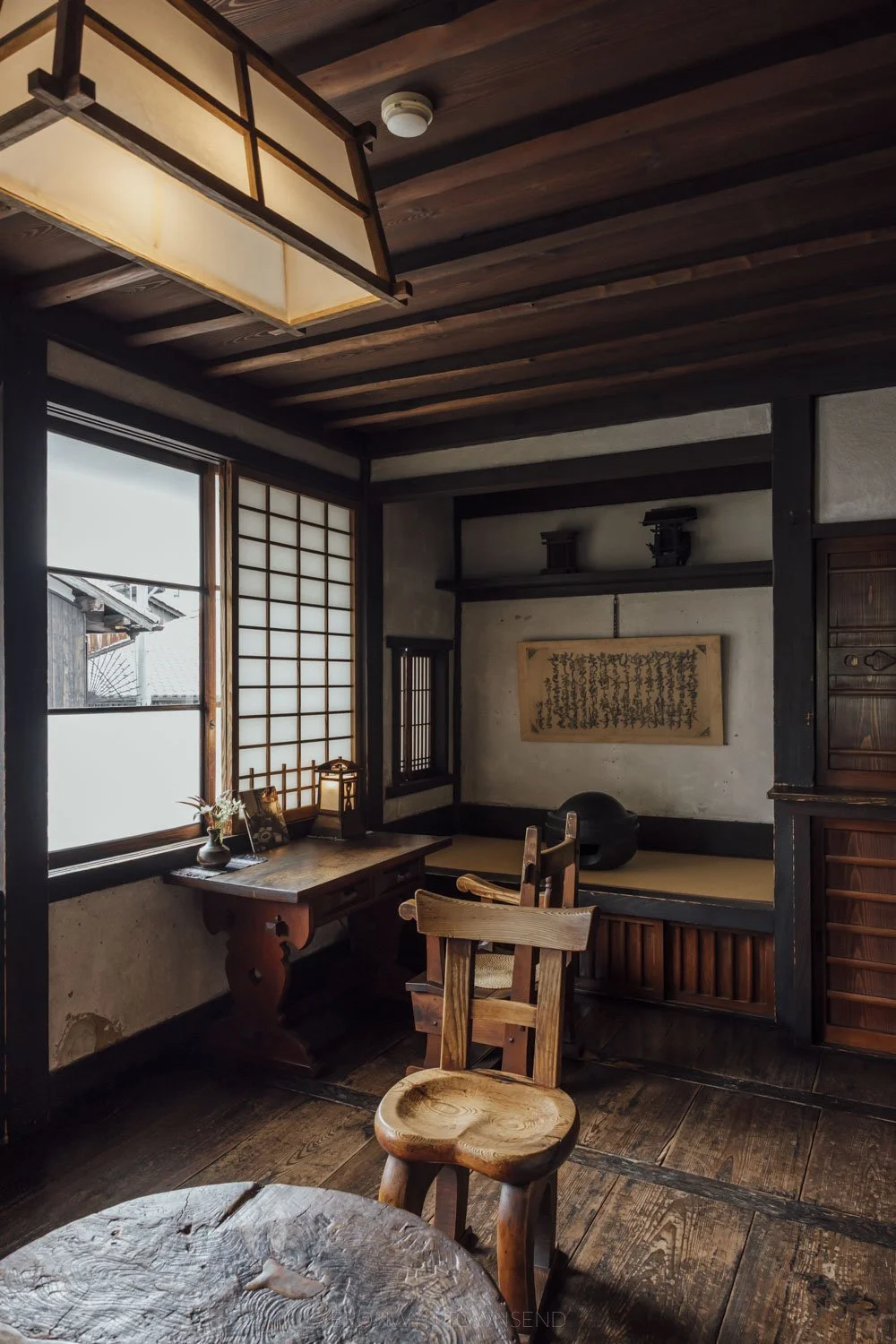
Kawai Kanjiro’s House, Kyoto
Kyoto vs Kanazawa: Which Is More Expensive?
When it comes to your budget, Kyoto can vary significantly, while Kanazawa is typically more mid-range. Generally though, I’d consider Kanazawa to be kinder to the pockets of budget travellers, while those seeking mid-range and luxury experiences can find these available across both cities.
Accommodation Costs
There is a huge diversity in the type and budget of accommodation in Kyoto, from comfortable city hotels and apartments to traditional ryokans. As Kanazawa is smaller, there are fewer options overall, however generally the prices are better value.
Both cities have a great selection of hotels from budget-friendly stays to luxury hotels, as well as ryokans if you’d prefer to experience a traditional stay. While in Kanazawa, most hotels in and around the centre of the city will put you within walking distance of the best Kanazawa attractions, your location is far more important in Kyoto.
The size of Kyoto often surprises first-time visitors, and sites are spread out which means walking everywhere isn’t an option. I’d recommend staying in downtown Kyoto, within walking distance of a metro station.
If you’re short on time, here are my top recommendations on where to stay in Kyoto and Kanazawa.

Bathroom at Sowaka, Kyoto
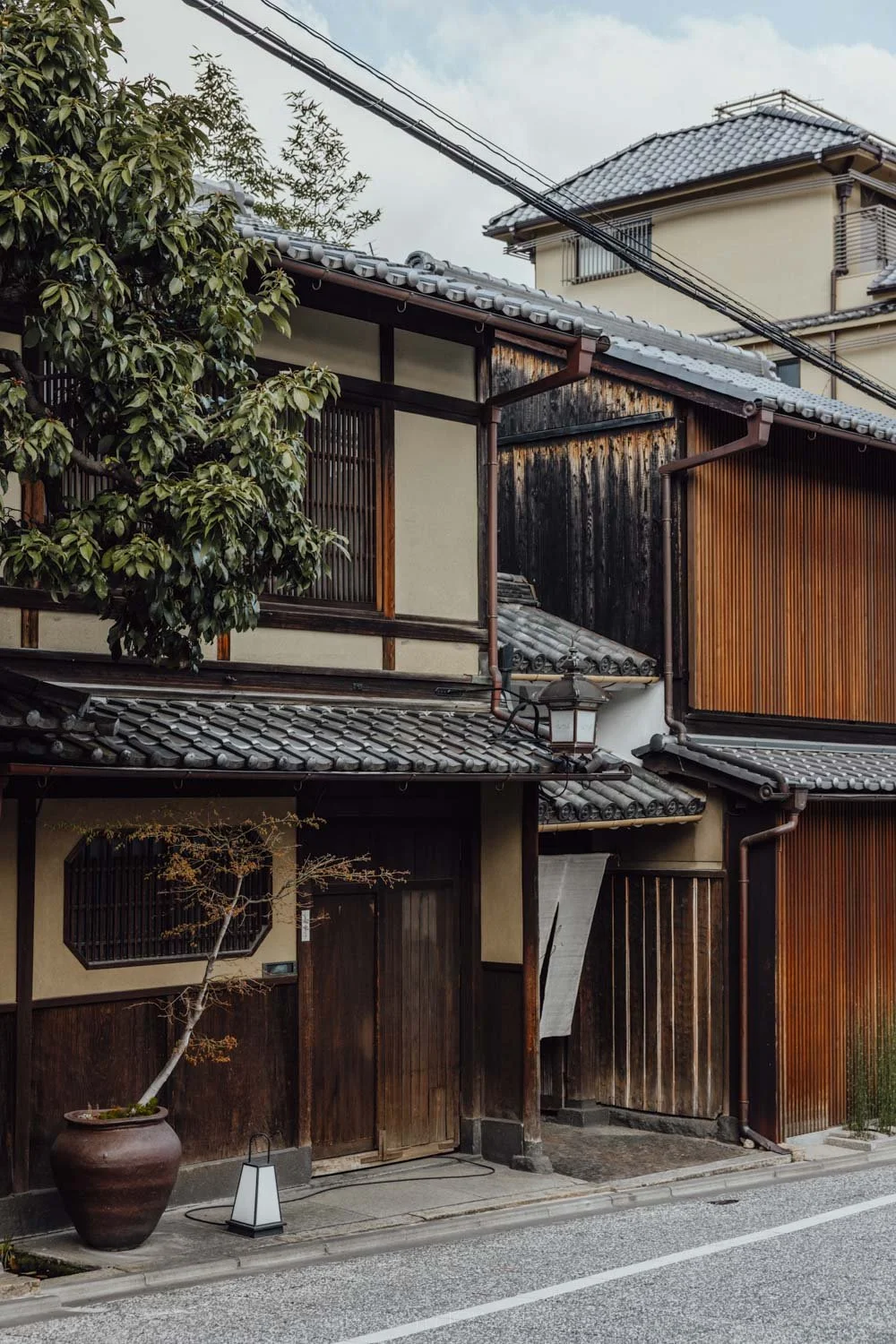
Exterior of Sowaka, Kyoto
Where to stay in Kyoto
Hotel Rings Kyoto | For the best value central hotel close to many of the top sites
ASAI Kyoto Shijo | A great central hotel that’s within walking distance of public transports, restaurants, and temples
Sowaka | A luxury hotel housed in converted machiya (traditional townhouses) right in the heart of Higashiyama
Seikoro Ryokan | A beautiful, traditional ryokan in the Higashiyama district with a typical Japanese garden and wooden bath
Where to stay in Kanazawa
SOKI Kanazawa | For the best central hotel with a boutique feel
HOTEL AMANEK Kanazawa | For the best-value hotel in Downtown Kanazawa
Korinkyo | For the best boutique, luxury hotel
黒梅屋 Kurumiya | For the best ryokan experience, within walking distance of key attractions
For more accommodation recommendations in Kanazawa, check out my detailed Kanazawa area and hotel guide.
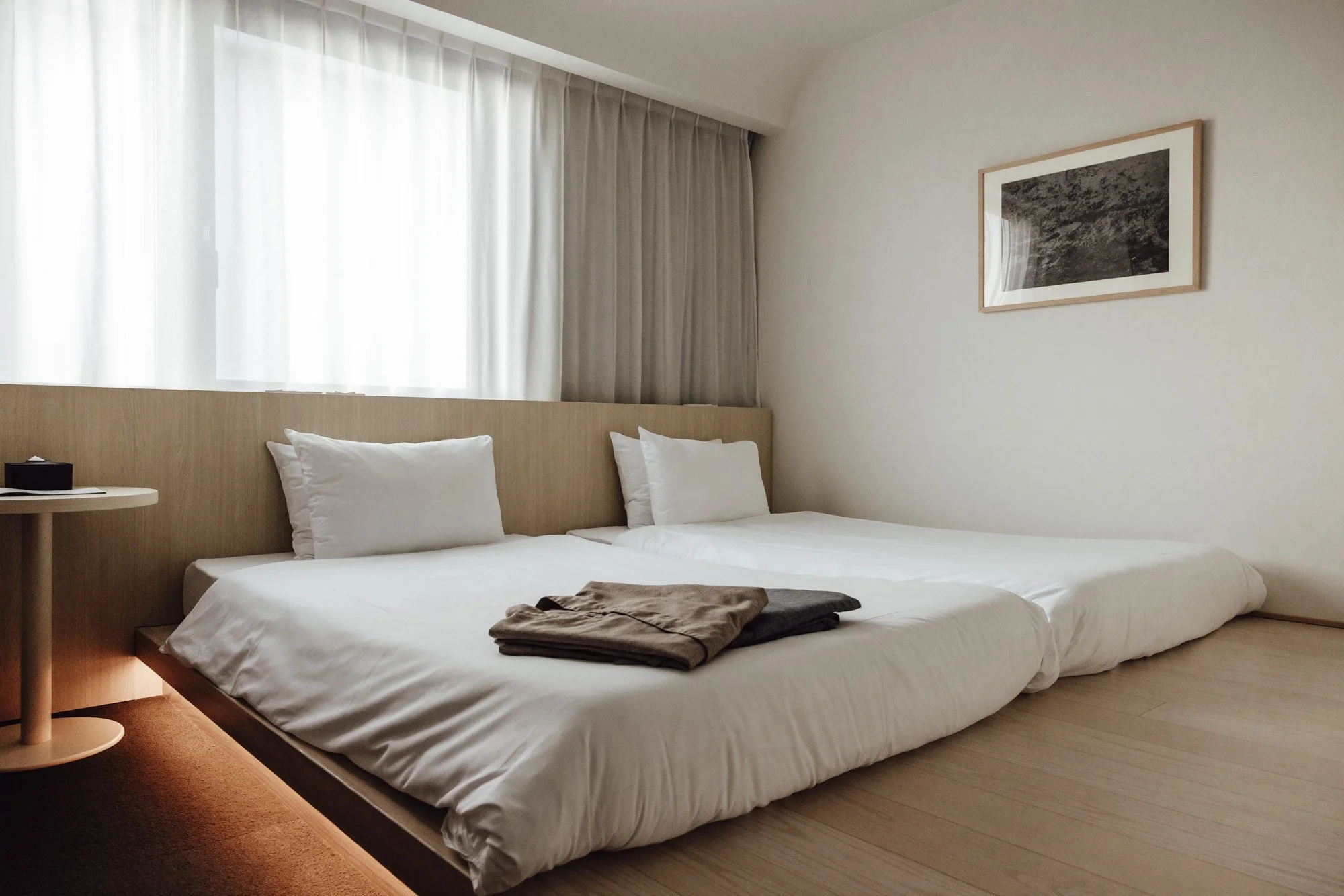
Room at SOKI Hotel, Kanazawa
Food Prices
Generally speaking, I find dining out in Japan to be far more affordable than in Australia or the UK. From hole-in-the-wall cafes and ramen spots to fine dining, both Kyoto and Kanazawa have an excellent culinary scene.
Kanazawa is one of Japan’s best seafood hotspots, with its proximity to the Sea of Japan making it ideal for fresh catch-of-the-day sushi and seasonal delicacies like snow crab. Omicho Market is a must-visit while in town, and significantly less busy than Nishiki Market in Kyoto.
Typical prices for a mid-range meal for two adults ranged somewhere between 3500-6000 yen in both cities for dinner. Convenience stores and supermarkets also have great budget-friendly options. We even enjoyed some incredible Michelin Guide soba at Saryo Tesshin for a great price.
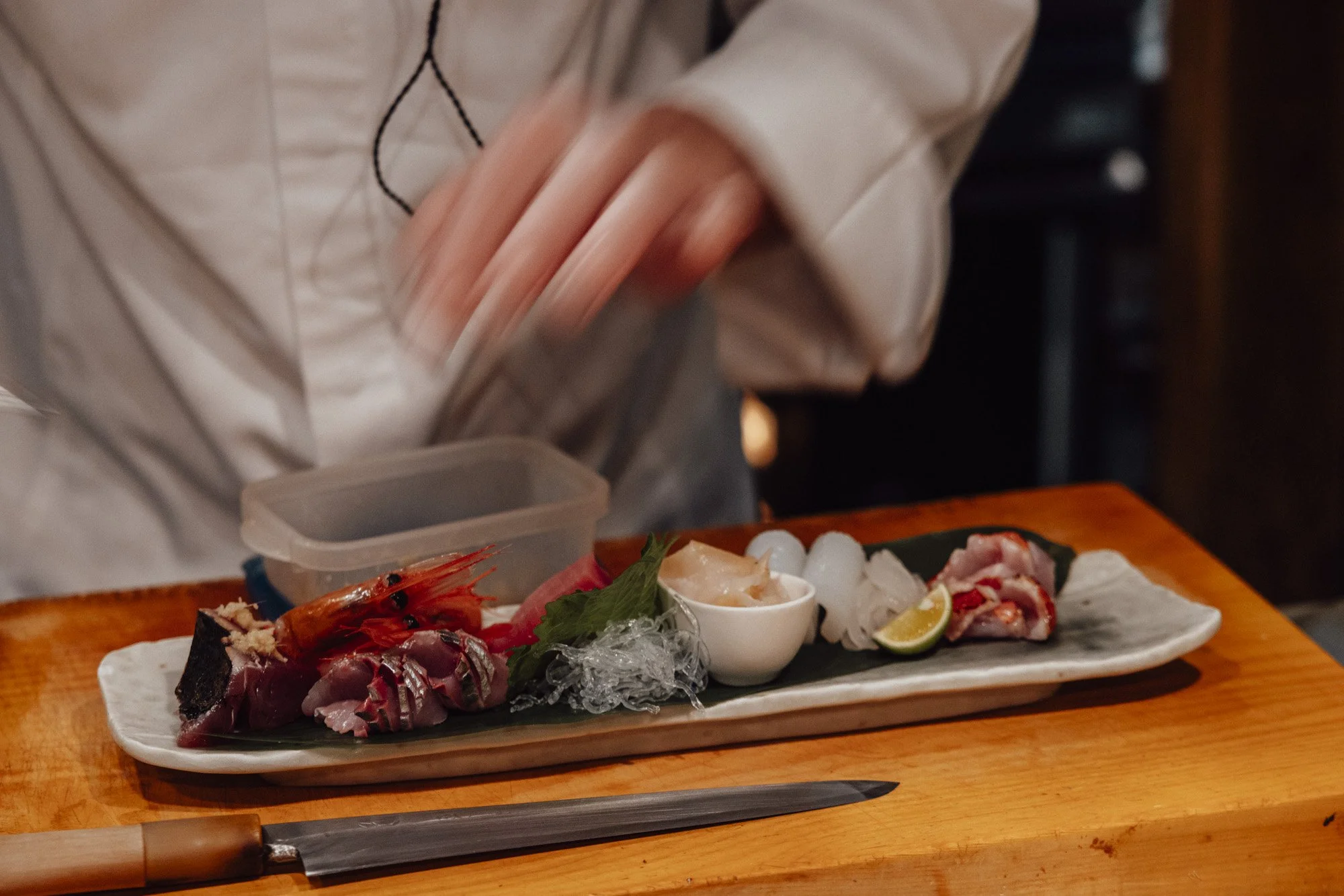
Fresh seafood at Fuwari, Kanazawa
Transportation Costs
Transport costs are comparable in both cities, though you’ll likely need to use it less in Kanazawa. If you want to use public transport, the best option is the Loop Bus which travels in both directions and connects key sites around Kanazawa.
In Kanazawa, there are no trains or metro within the city, though there is a train station that connects the Ishikawa capital to other rural routes and the Shinkansen for the Hokuriku Line.
There are only two metro lines in Kyoto, so you’ll often use buses more than trains to get around town. If you’re a family or in a larger group, then taxis may be a more economic option and a more direct option if you’re trying to maximise your time. Buses can be very busy on routes that stop near the most popular Kyoto attractions too.
Getting to Kanazawa and Kyoto from Tokyo
The great news is that both destinations are fast and easy to reach from Tokyo. The journey time is comparable, around 2.5 hours via Shinkansen. Standard reserved seat tickets from Tokyo to both destinations are also quite similar.
Tokyo to Kyoto
The Tokaido Line connects Tokyo with Kyoto in around 2 hours and 15 mins, depending on which service you take. I recommend booking your tickets a day or two in advance if you want to have a choice of seating, or earlier if you’re travelling during peak periods like Golden Week, Obon, or New Year. The JR Pass covers this route, however it’s not always worth it since the price rose a few years ago, so ensure you check before buying.
Tokyo to Kanazawa
The Hokuriku Line takes you from Tokyo to Kanazawa via Nagano in as little as 2 hours and 30 minutes. As one of the newer Shinkansen routes, the high speed trains are modern and super comfortable.

Crowds: Is Kanazawa Less Crowded Than Kyoto?
Overtourism has been a contentious topic around Japan travel over the last few years. However, this doesn’t mean you should avoid Kyoto completely. Instead, consider visiting away from the busiest seasons or times of day, and explore some of Kyoto’s less known attractions for a slower, more peaceful experience.
Kanazawa is still off the beaten path for most travellers to Japan, especially for first-time visitors. This makes it ideal if you want to avoid crowds, enjoy sightseeing without rising at the crack of dawn, or simply want to support tourism in places that are still trying to gain popularity.
Kyoto is especially busy during the Sakura (cherry blossom) season, from late March to early April, and in November to see the autumn foliage. I especially enjoy visiting Kyoto in May, before the heat of summer kicks in but without the peak season crowds.
Day Trips & Surroundings
Both Kanazawa and Kyoto serve as excellent bases for day trips to surrounding towns and regions. With easy transport connections and a choice of different day trips depending on your interests, here are some of the most popular and easy day trips from each city.
Day trips from Kyoto
Nara
Less than an hour from Kyoto, Nara makes an easy and rewarding day trip thanks to its compact historic center and monumental heritage sites. As Japan’s first permanent capital, it is home to Todai-ji and its colossal Great Buddha. Friendly deer roaming Nara Park add to the atmosphere, making it a relaxed yet culturally rich contrast to Kyoto’s temple crowds. I enjoy staying a night or two in Nara, as it’s a completely different experience once the day trippers have left and you have the quiet streets of Naramachi to yourself or the lantern-lined paths of Kasuga Taisha in the morning.
Osaka
Just 30 minutes from Kyoto by train, Osaka offers a completely different energy. It’s vibrant, modern, and food-obsessed. You can spend a day exploring Osaka Castle for a dose of history before diving into the neon-lit streets of Dotonbori for street food and nightlife, and visiting some of the city’s temples and shrines. Osaka is an ideal day trip for travellers wanting urban excitement and some of Japan’s best casual dining.
Uji
Just south of Kyoto, Uji is Japan’s matcha capital known for its serene riverside setting and an abundance of green tea producers. The stunning Byodo-in is a highlight, while local tea houses serve some of Japan’s finest green tea. Uji is perfect for a slower, half-day escape focused on history, tea, and tranquility.
Arashiyama
Located at the foothills in the west of Kyoto, Arashiyama is one of my favourite places for a nature-based day out in Kyoto. Go beyond the overcrowded bamboo forest and visit the breadth and variety of shrines and temples dotted throughout the hillsides, including the charming moss garden at Gioji Temple. Okochi Sanso Garden is especially alluring in autumn, but there are so many amazing things to do in Arashiyama, it’s worth making a whole day of it.

Osaka Castle, Osaka
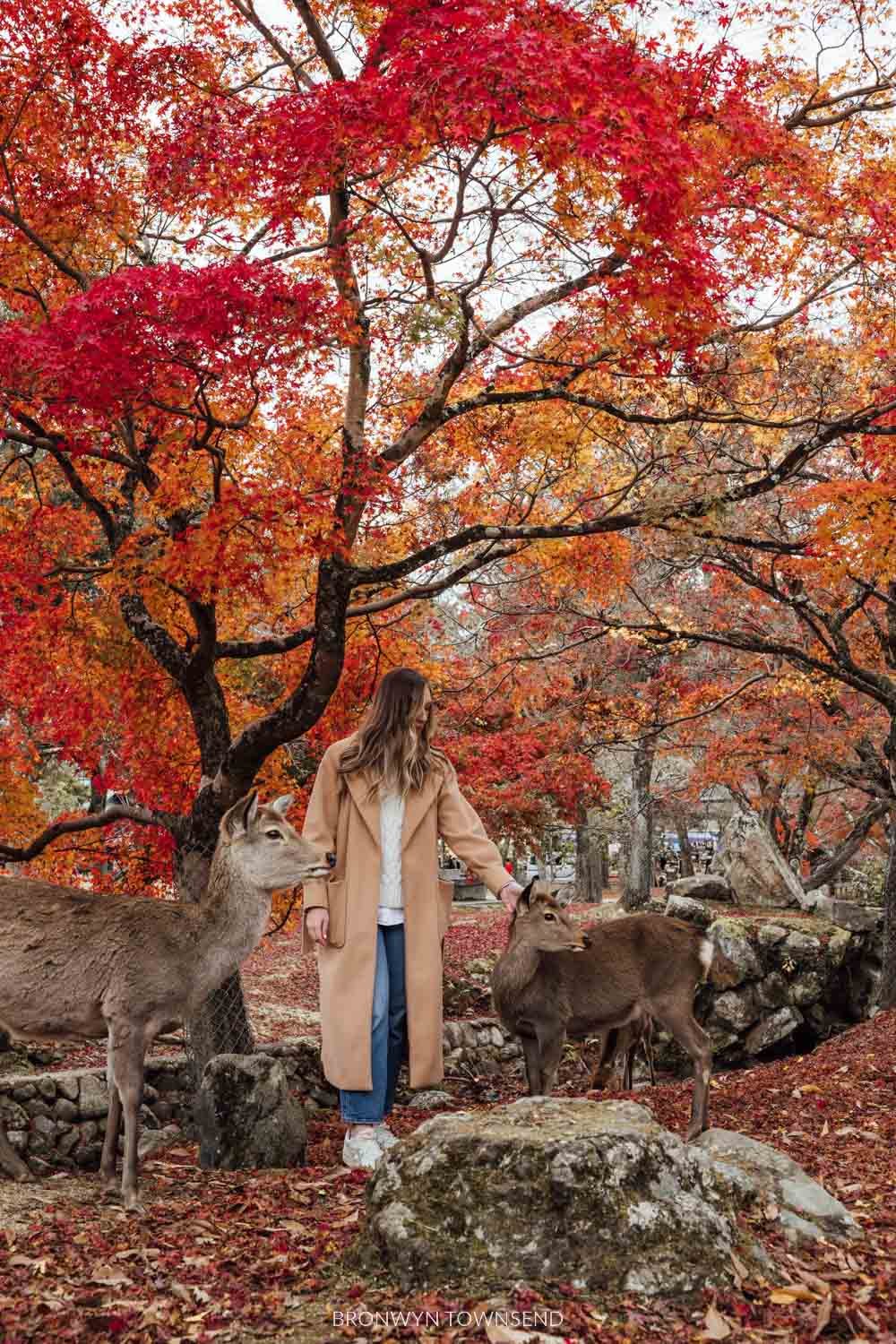
Nara at Autumn
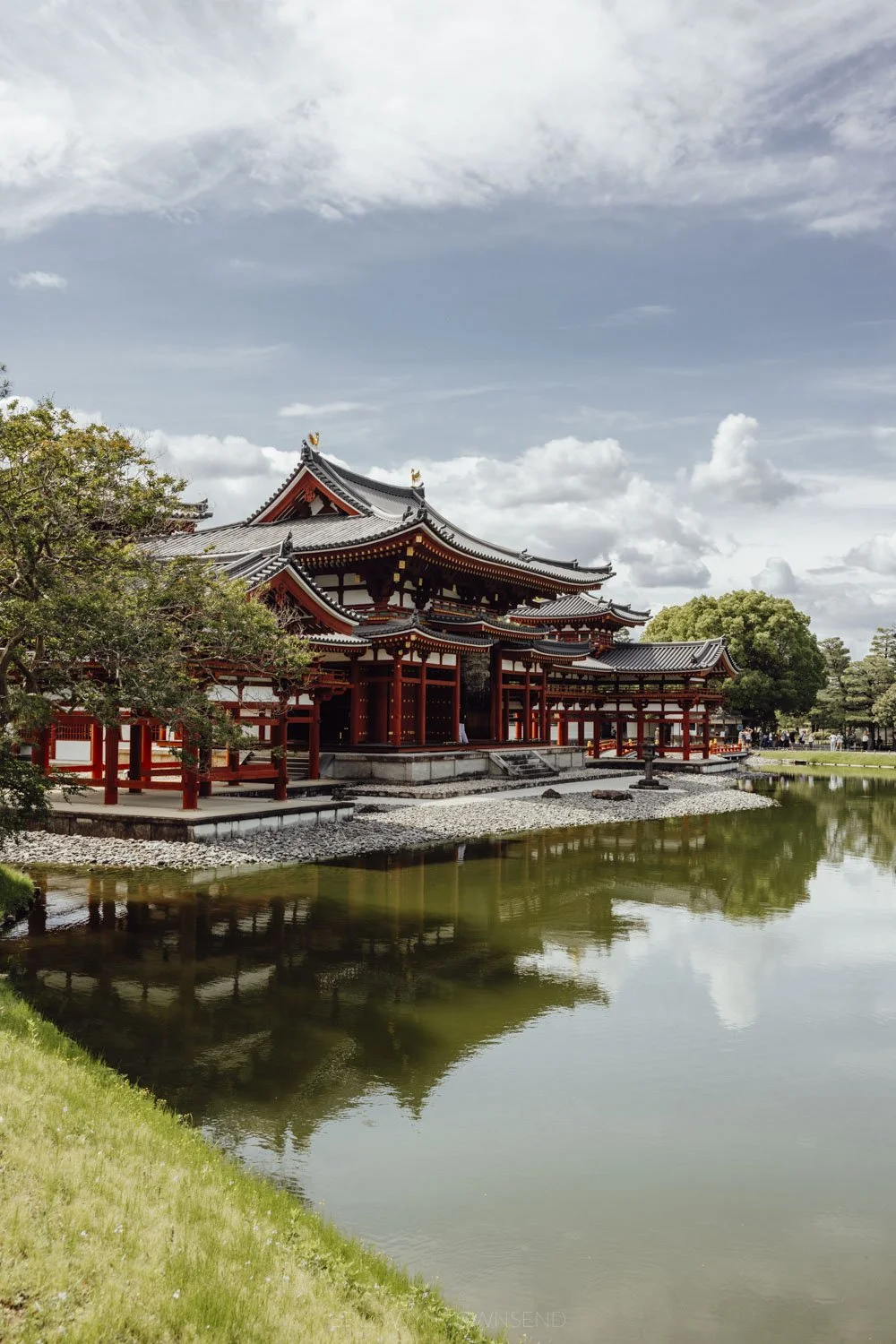
Byodo-in Temple, Uji

Arashiyama, Kyoto
Kanazawa’s Nearby Highlights
Shirakawa-go
A day trip to Shirakawa-go in the mountains around 1.5 hours from Kanazawa is a must-do. Famous for its UNESCO-listed gassho-zukuri farmhouses with steep thatched roofs, it feels like a winter wonderland under a blanket of snow and a verdant folktale village in spring and summer. Surrounded by mountains and rice fields, the village feels worlds away from the city and offers a glimpse into rural life in Japan.
Takayama
Takayama is one of my favourite spots in Gifu Prefecture, with its impressively preserved Edo-period streets, morning markets, and a strong regional food culture centered on Hida beef. Its old town district provides a charming, walkable experience similar in spirit to Kanazawa’s historic areas, making it a natural pairing if you’re interested in traditional architecture and mountain town ambiance.
Kaga Onsen
45 minutes south of Kanazawa, Kaga Onsen is a collection of historic hot spring towns known for ryokan stays and restorative baths. Ideal for a stay through autumn and winter, embrace slow travel with a day here unwinding. The area combines natural scenery with traditional hospitality, offering a relaxing contrast to Kanazawa’s cultural sightseeing and an easy way to experience Japan’s onsen culture in a more intimate regional setting.

Shirakawa-go in Winter

Takayama
Should You Visit Kanazawa or Kyoto?
Choose Kyoto if you:
Kyoto firmly remains one of my favourite cities in Japan. I love its deep connection to its spiritual and imperial heritage, its brilliant coffee shops, and its quiet pockets if you know where to look. Kyoto is often considered a must-visit for first-time visitors.
If you want to explore temples and shrines and don’t mind crowds and accept that you can’t see everything first thing in the morning, then Kyoto might be the right option for you. Kyoto is large and spread out, so it’s ideal if you have at least 4-5 days to visit.
Choose Kanazawa if you:
Kanazawa is a bit of an antithesis to the frenetic energy of Tokyo and the busy crowds that fill many of Kyoto’s top spots. It’s ideal for travellers who prefer to slow things down, skip the well-trodden path, and want to experience Japan without battling overtourism. If you love seafood, have already visited Kyoto, or are looking for a destination to tie into a winter itinerary with nearby Nagano or skiing in Hakuba, then Kanazawa is an excellent choice. It’s one of my top recommendations for a reason!
Why not both?
Sure, you might have come here to make a decision, but maybe I can inspire you to visit both Kanazawa and Kyoto. If you think you’ll like one, then there’s a high likelihood that you’ll enjoy the other. Well-suited to travellers who enjoy deeper cultural connections to a destination, Kyoto and Kanazawa can feel similar but also offer distinctly different experiences. So visiting one doesn’t negate the need to visit the other. If you can, try to fit both into your itinerary!
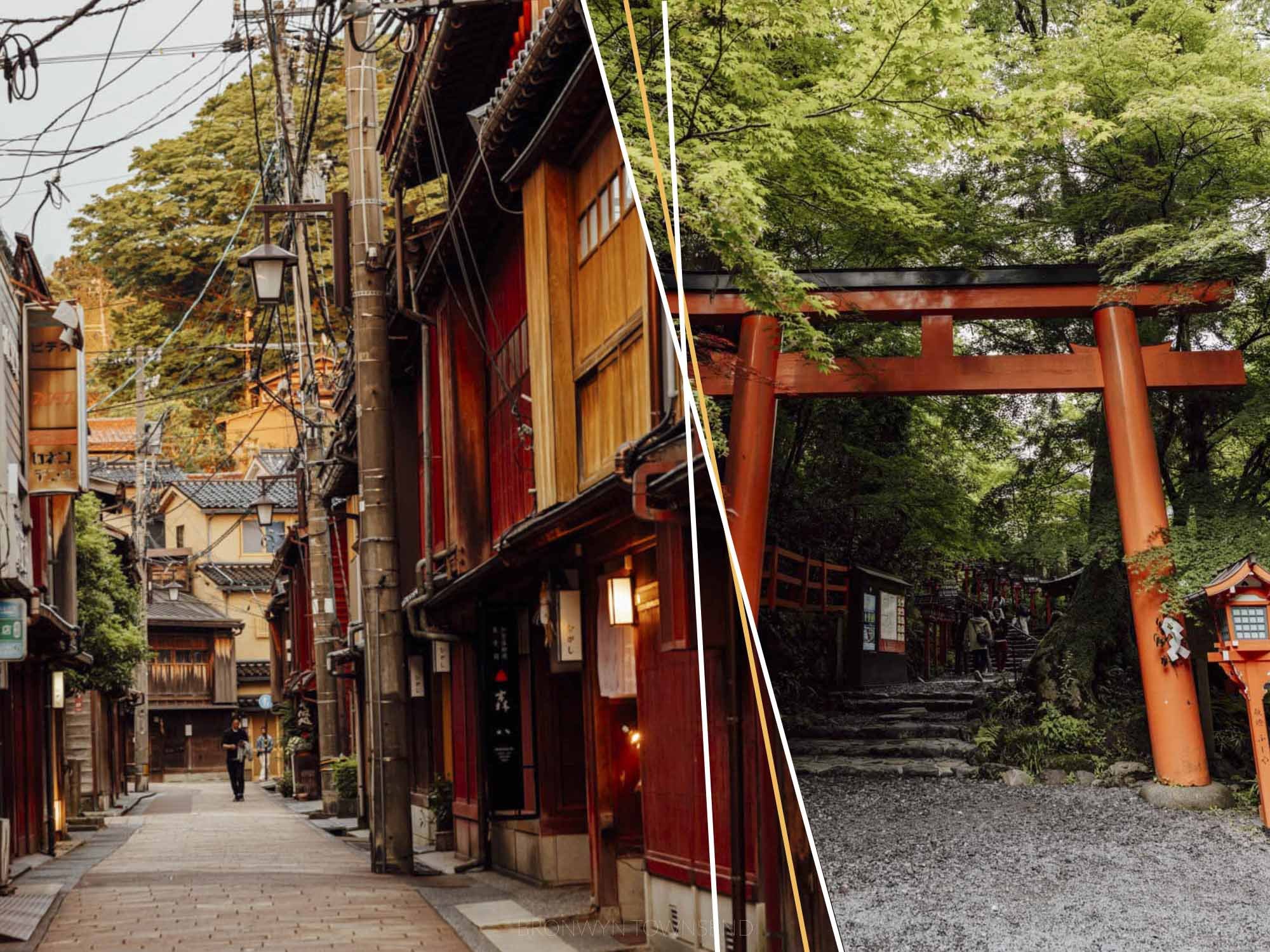
Made a decision on your Kyoto vs Kanazawa dilemma? Keep planning with these guides
Make the most of Kanazawa with this 2-day itinerary to see its best sights
Staying longer? Check out all of the incredible things you can do in Kanazawa
Decide where to stay in Kanazawa with this area and accommodation guide
Plan your time in Kyoto with this 5-day itinerary
See what lies beyond the bamboo grove in Arashiyama with these things to do
Discover these must-visit autumn foliage spots in Kyoto

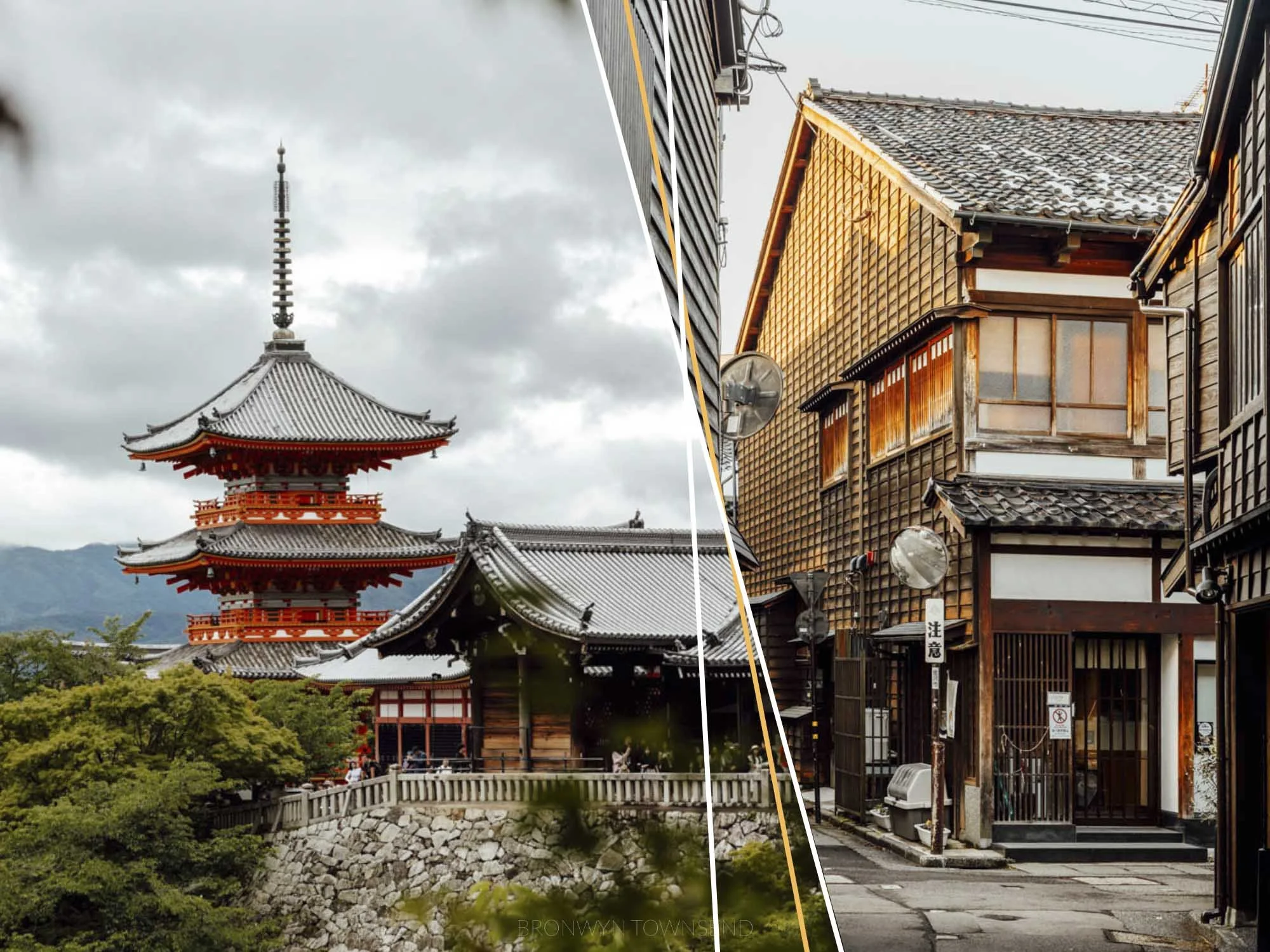
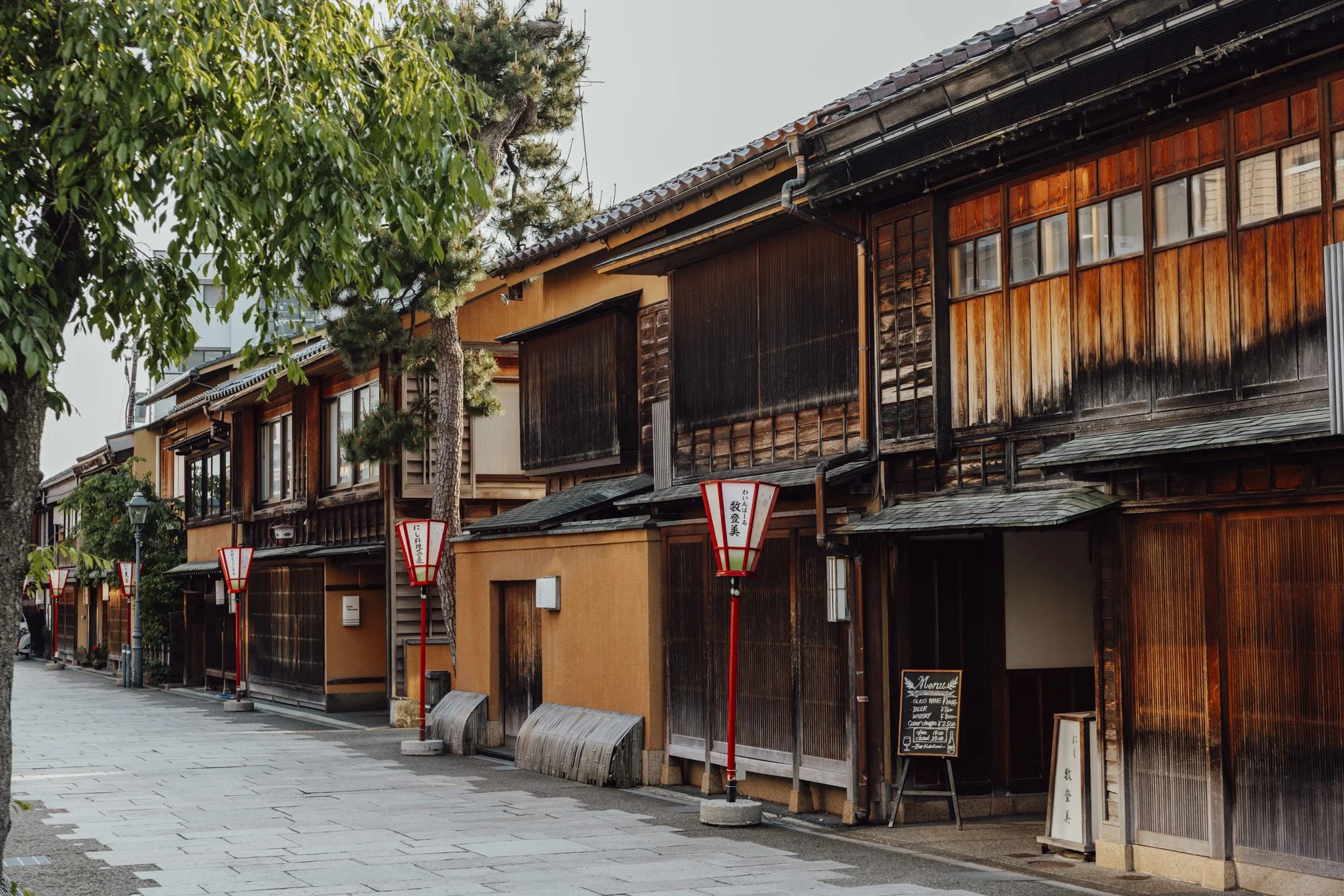





Take the confusion out of where to stay in Tokyo with this comprehensive guide to the best areas and hotels in Japan’s capital with recommendations.