The Best Things to Do in Hue, Vietnam
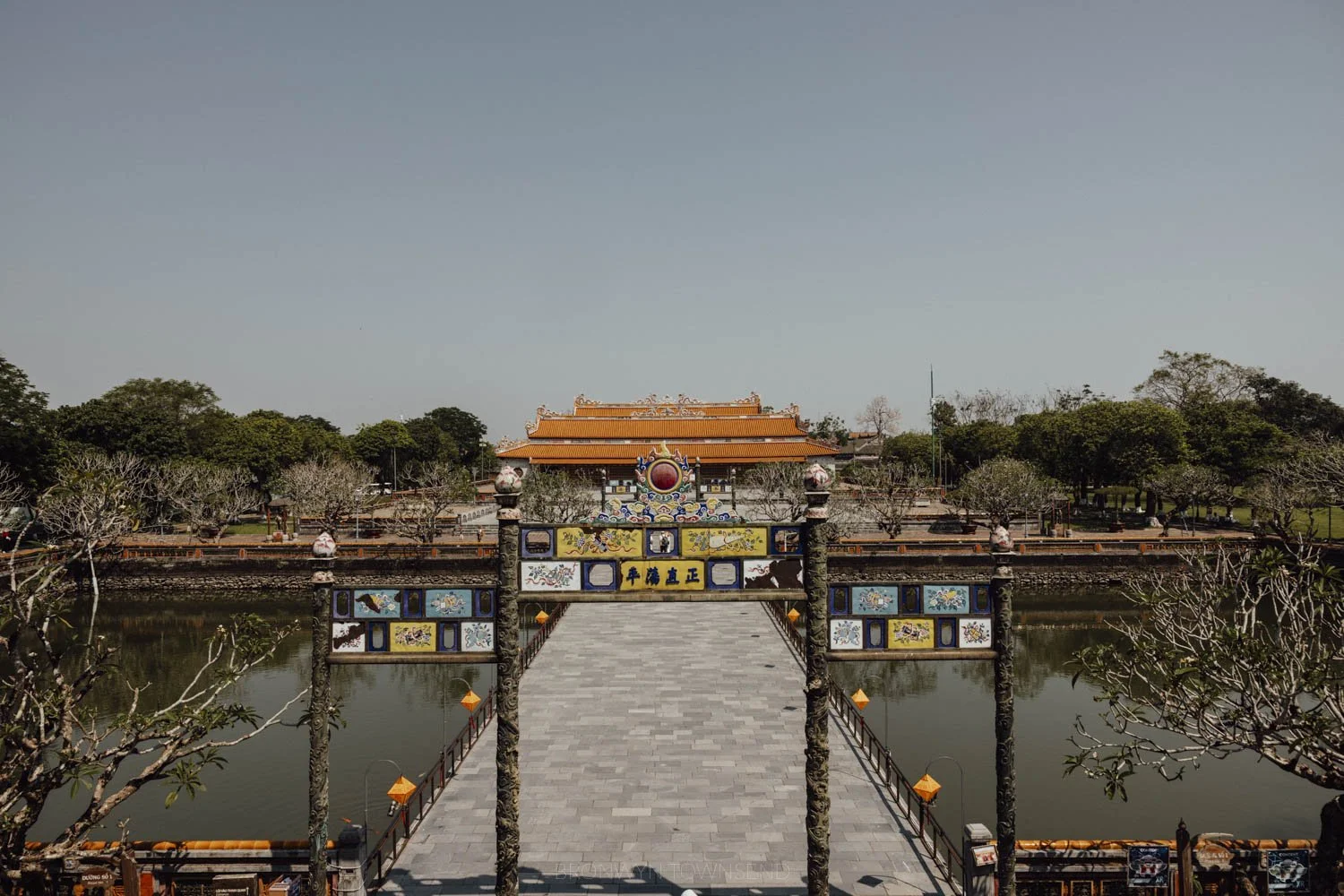
Set on the banks of the Perfume River, the imperial roots of Hue make it a must-visit destination in Central Vietnam. Once the feudal capital home to Emperors and the Nguyen Dynasty, the city reveals more than its royal legacy. Discover the best things to do in Hue, Vietnam to make the most of your time in the city.
This post may contain affiliate links.
If you choose to purchase I may receive a small commission at no additional cost to you. By using these links, you are supporting the ability for me to continue creating content for this site and its running costs.
When I first started planning travel around Vietnam, I had the obvious spots like Hanoi and Hoi An on my list. But I knew there had to be other destinations that needed to make my two-week itinerary too. I had recalled watching Anthony Bourdain raving about a destination and that’s where the research began.
I quickly determined that Hue was the right addition. A place known for its unique Central Vietnamese cuisine thanks to the royal influence, and a rich cultural, political, and religious history as the seat of the Nguyen Dynasty for more than 140 years. And it’s quieter than a lot of Vietnam’s destinations, making it ideal for a slower pace. With plenty of things to do, Hue deserves your time.
A lot of people pass through Hue as a day trip from places like Hoi An or Da Nang, but I spent two days there and it was perfect. Not too rushed and allowing enough time to enjoy plenty of the delicious regional dishes that Tony himself adored. Here’s a list of the best things to do in Hue, so you can uncover the richness of this once-royal city.
1 | Be amazed by the expansive Hue Imperial Citadel
If there is only one thing you do in Hue, make it the Imperial Citadel. I spent half a day strolling around the grounds of this moat-encircled walled city and it was one of my favourite experiences during my whole Vietnam trip.
Be sure to set aside at least half a day to meander every corner of the Imperial Citadel. Built in the early 19th century by Emperor Gia Long, it served as the political, cultural, and religious heart of Vietnam. And for 140 years it was the royal home of the Nguyen Dynasty. Encircled by 6km of moat and fortified ramparts, what’s found inside is reason enough to make sure Hue is on your Vietnam itinerary.
Hue’s Imperial Citadel was heavily damaged during the French Colonial period and the 1968 Tet Offensive, and the efforts to restore it to its former glory continues. With much of the site now open, it was UNESCO listed in 1993 and offers a glimpse into Vietnam’s royal history.
The most notable spots to visit across throughout the Imperial Citadel are:
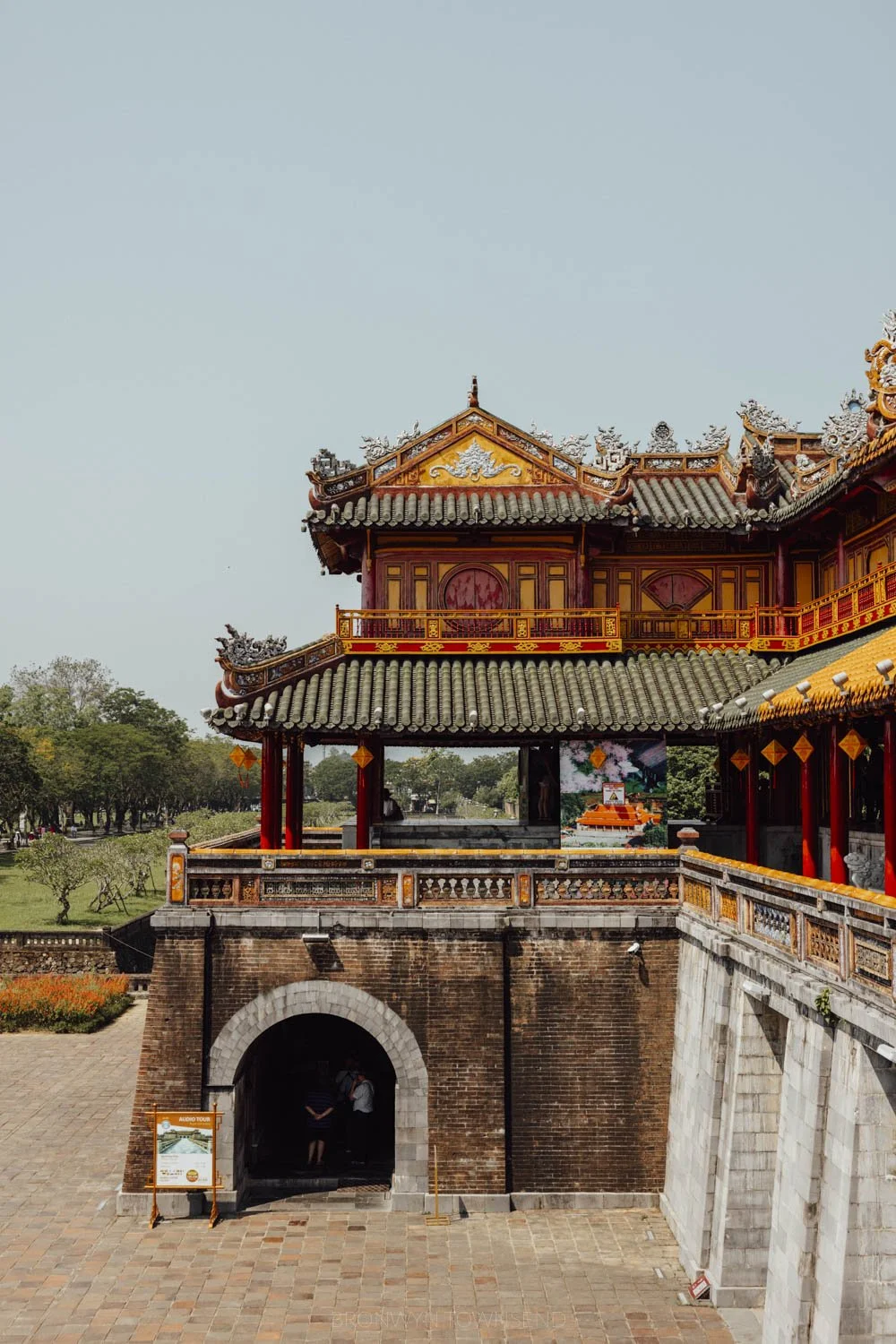
Ngo Mon Gate | the grand southern entrance where emperors appeared during ceremonies
Thai Hoa Palace | the Emperor’s ceremonial throne hall and one of the citadel’s architectural highlights
Forbidden Purple City | former private residence of the imperial family
The Mieu Temple Complex | ancestral temples dedicated to Nguyen emperors
Nine Dynastic Urns | huge bronze urns symbolising imperial power and longevity
Dien Tho Residence | residence of the Queen Mother with elegant gardens
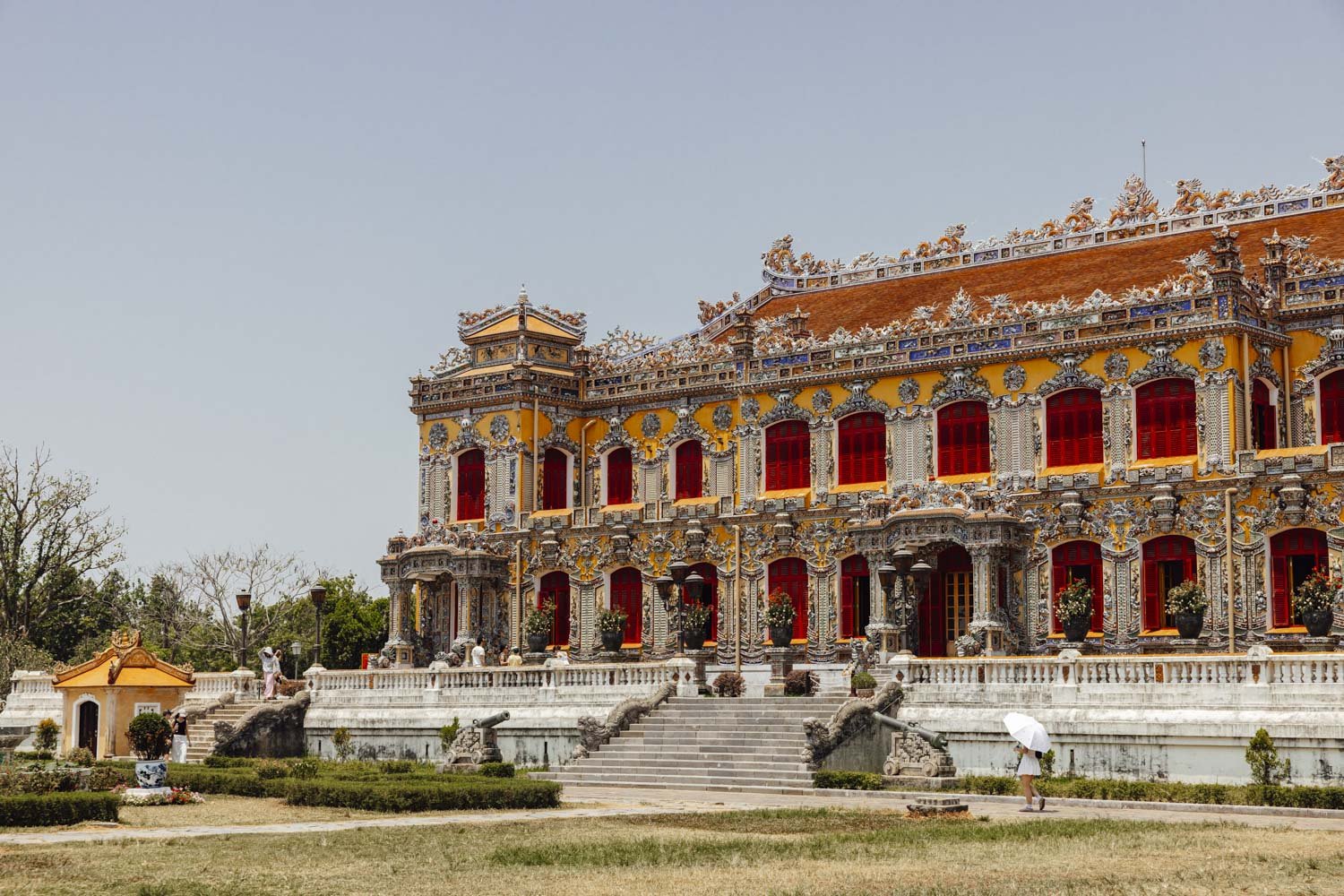
Kien Trung Palace | restored royal residence blending Vietnamese and European architectural styles, once home to the last Nguyen emperors
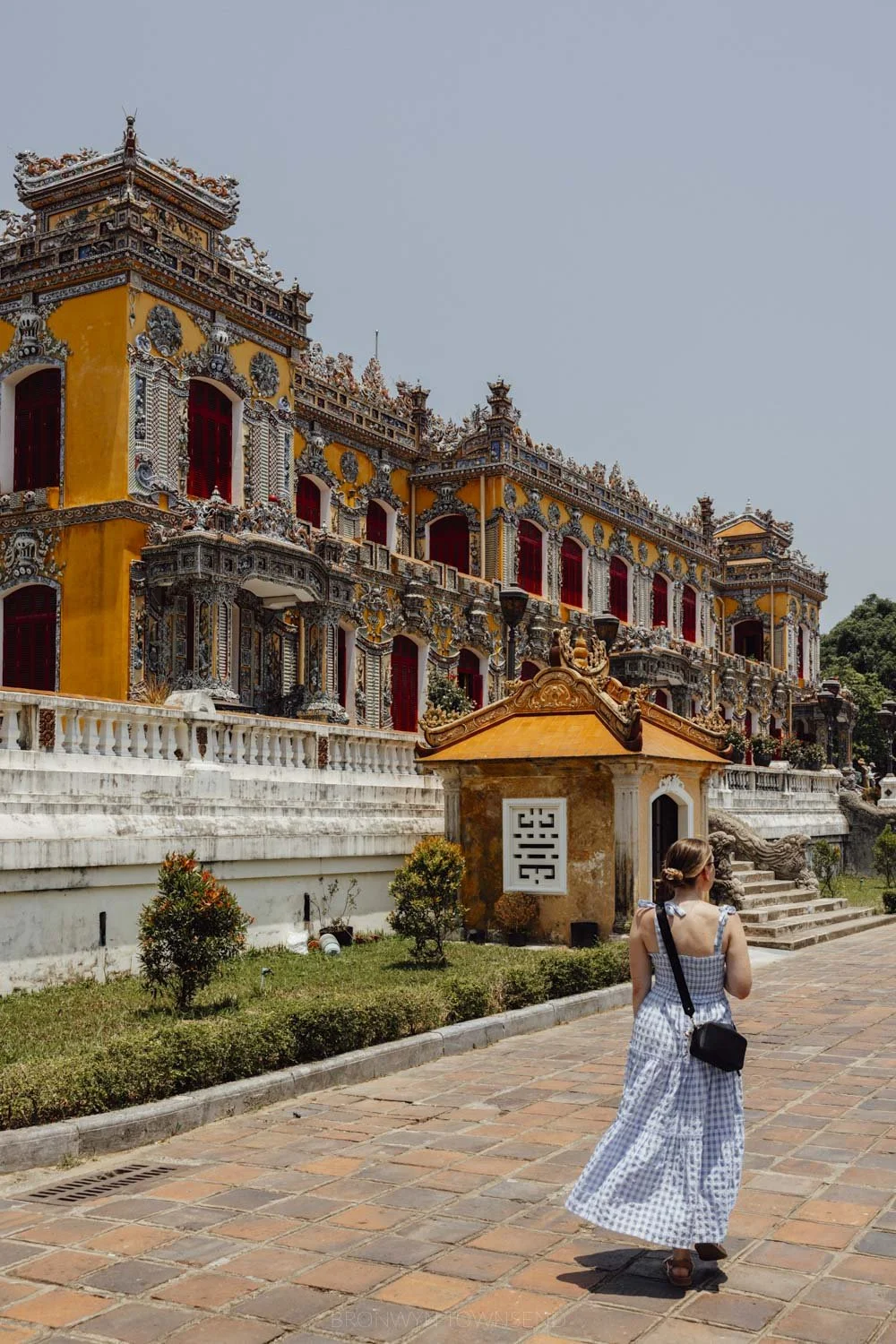
2 | Marvel at the Royal Tombs
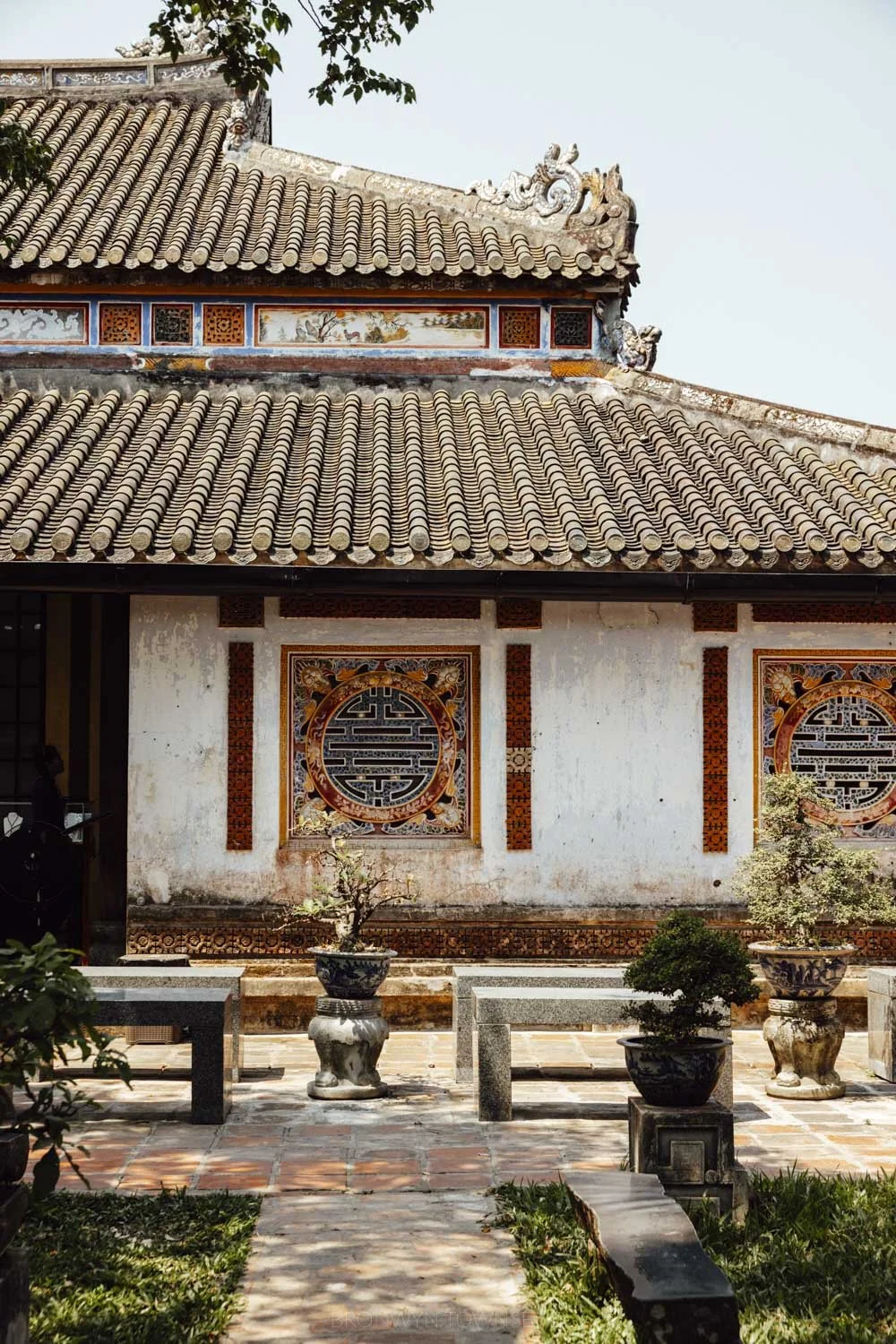
Another of the most remakarable attractions in Hue is the Royal Tombs. There are four tombs of emperors from the Nguyen dynasty. You can either choose to purchase tickets to visit each, or your preferred mausoleum individually, but if you want to visit several, a combination ticket is the best option. You can also purchase a combo ticket for some of the royal tombs and the citadel.
The tomb of Emperor Khai Dinh
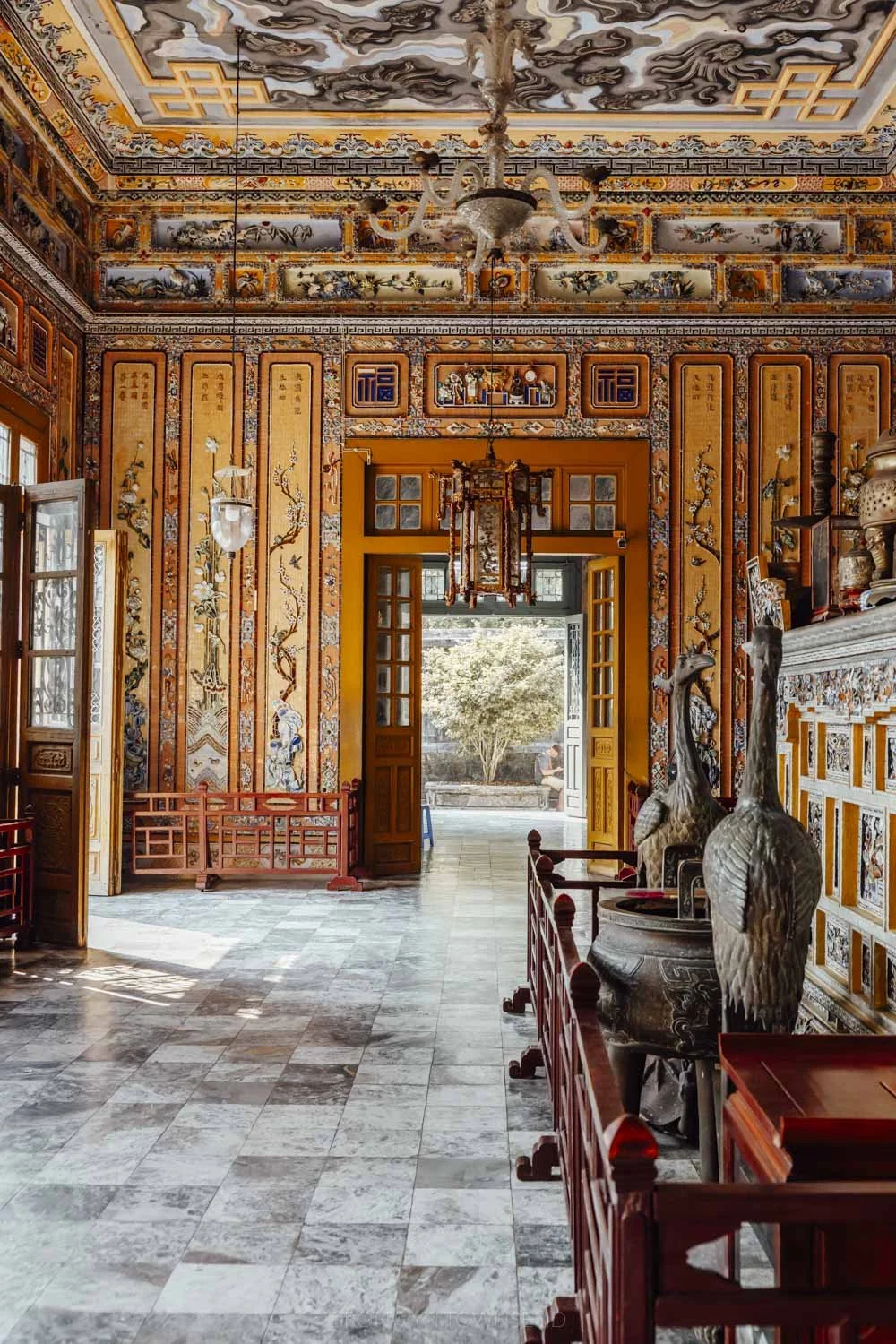
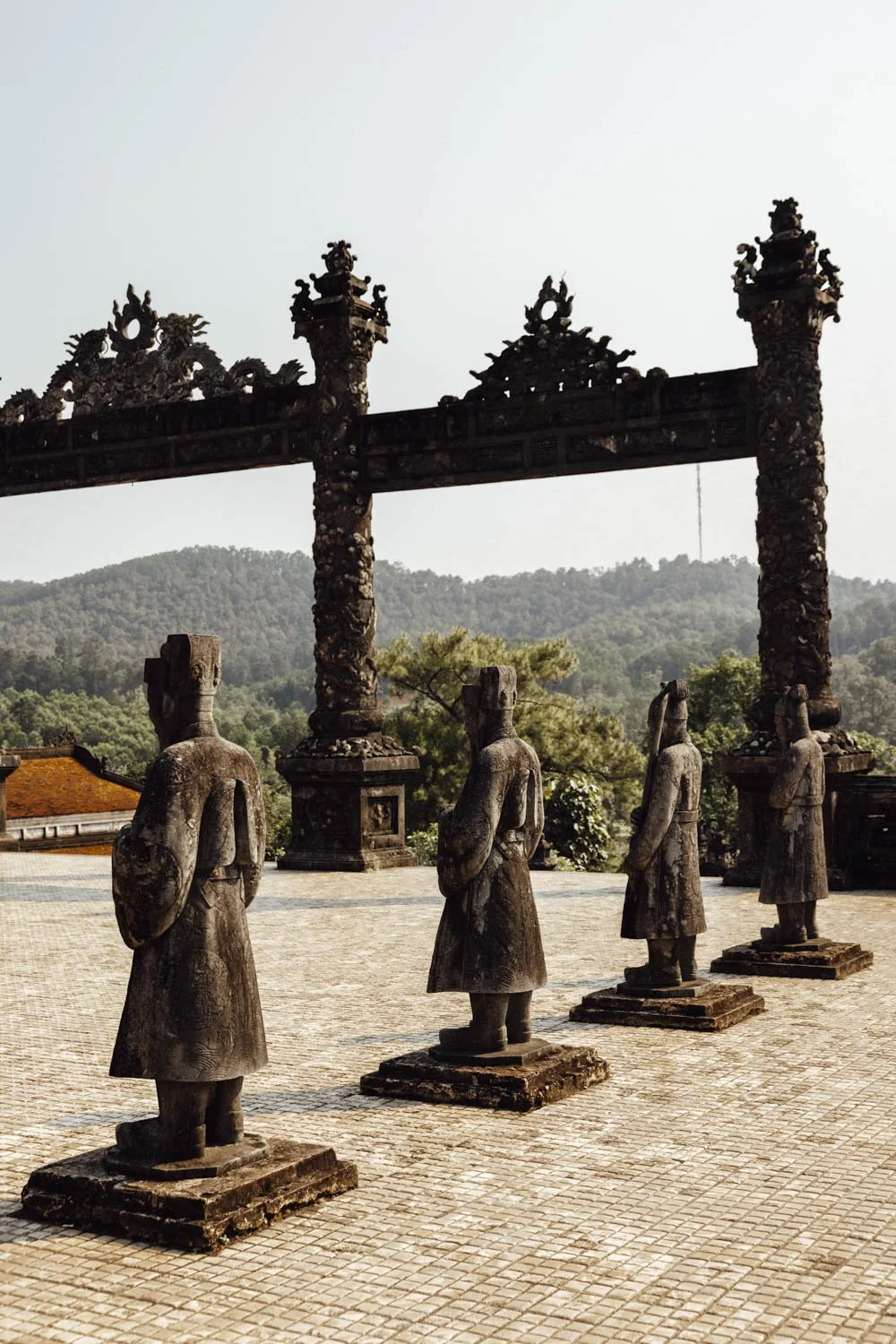
The most elaborate of the royal mausoleums, it blends Vietnamese, European, French, and Gothic elements to create a completely unique and surreal tomb. The exterior crafted from dark stone is influenced by Gothic European style. Inside, the main hall is one of my favourite places, with floor-to-ceiling glass and porcelain mosaics. The view from the top of the stairs also reveals vistas overlooking the mountains that surround Hue.
Tomb of Emperor Minh Mang
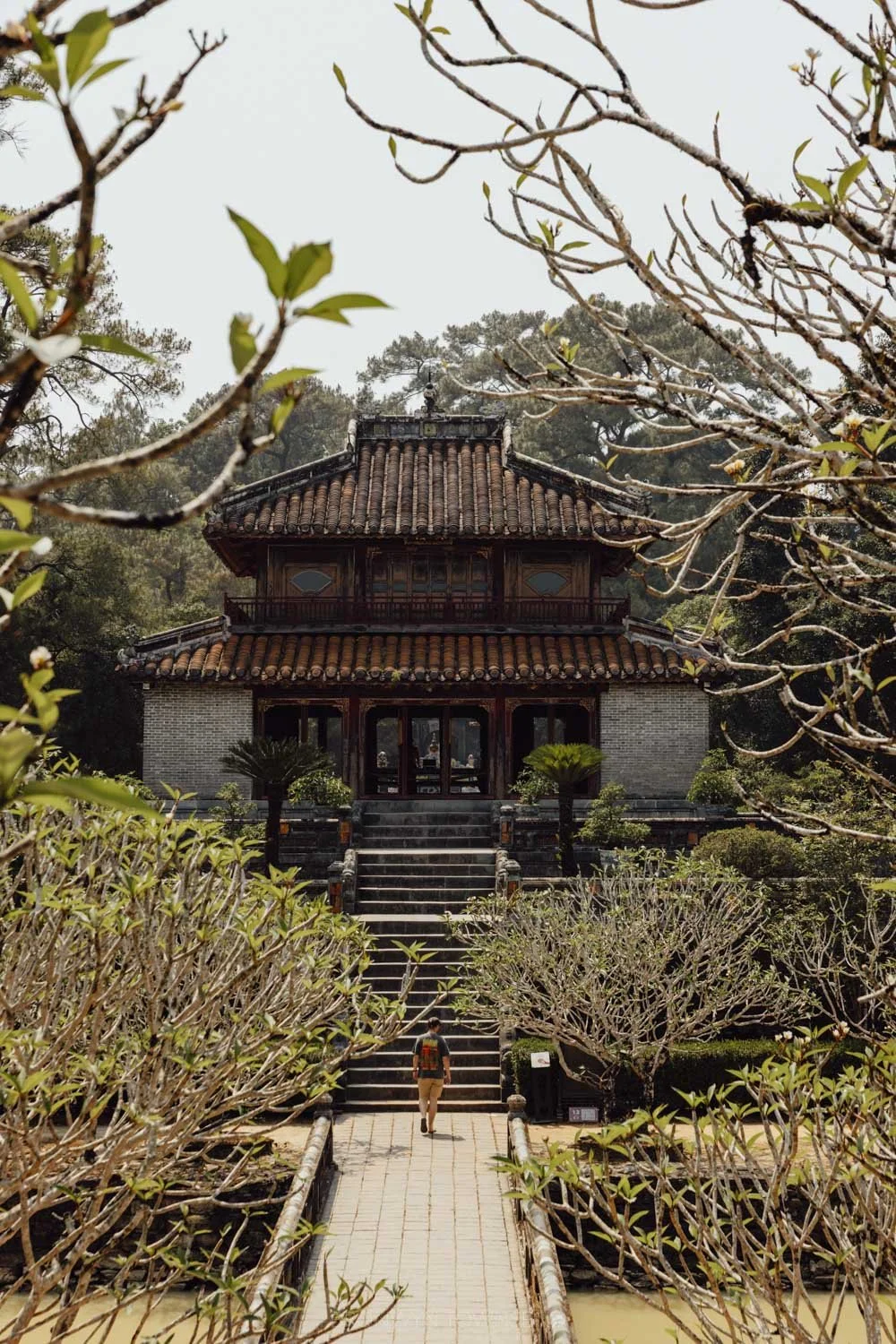
A more refined and simple design, its harmonious architectural style prioritises symmetry. The design reflects Minh Mang’s Confucian ideals, and focuses on harmony between nature, architecture, and imperial power. The grounds are minimalistic, and crosses a pond traced by frangipani trees.
Tomb of Tu Duc
Set among a pine forest, this tomb is one of the most impressive. A peaceful and poetic royal retreat, it is surrounded by lakes and gardens that reflects Emperor Tu Duc’s scholarly personality. It is also the closest to Hue Centre, set across 12 hectares.
Tomb of Gia Long
Honouring the founder of the Nguyen Dynasty, Emperor Gia Long’s tomb is best known for its pristine, natural landscapes. There are multiple temples and buildings set across the complex among pine forests and is divided among three main areas. This is the quietest, and least visited of the Royal Tombs, so is ideal if you’re wanting a peaceful visit.
How to get there
The Royal Mausoleums are around 25 minutes drive from the centre of Hue. I recommend booking a private driver to visit these sites, as arranging a Grab can be difficult as it’s outside the centre. You cna also rent bikes and ride between the sites, however I skipped this as it was almost 40 degrees when I visited and far too hot to cycle.
3 | Visit Vietnam’s tallest religious building, Thien Mu Pagoda
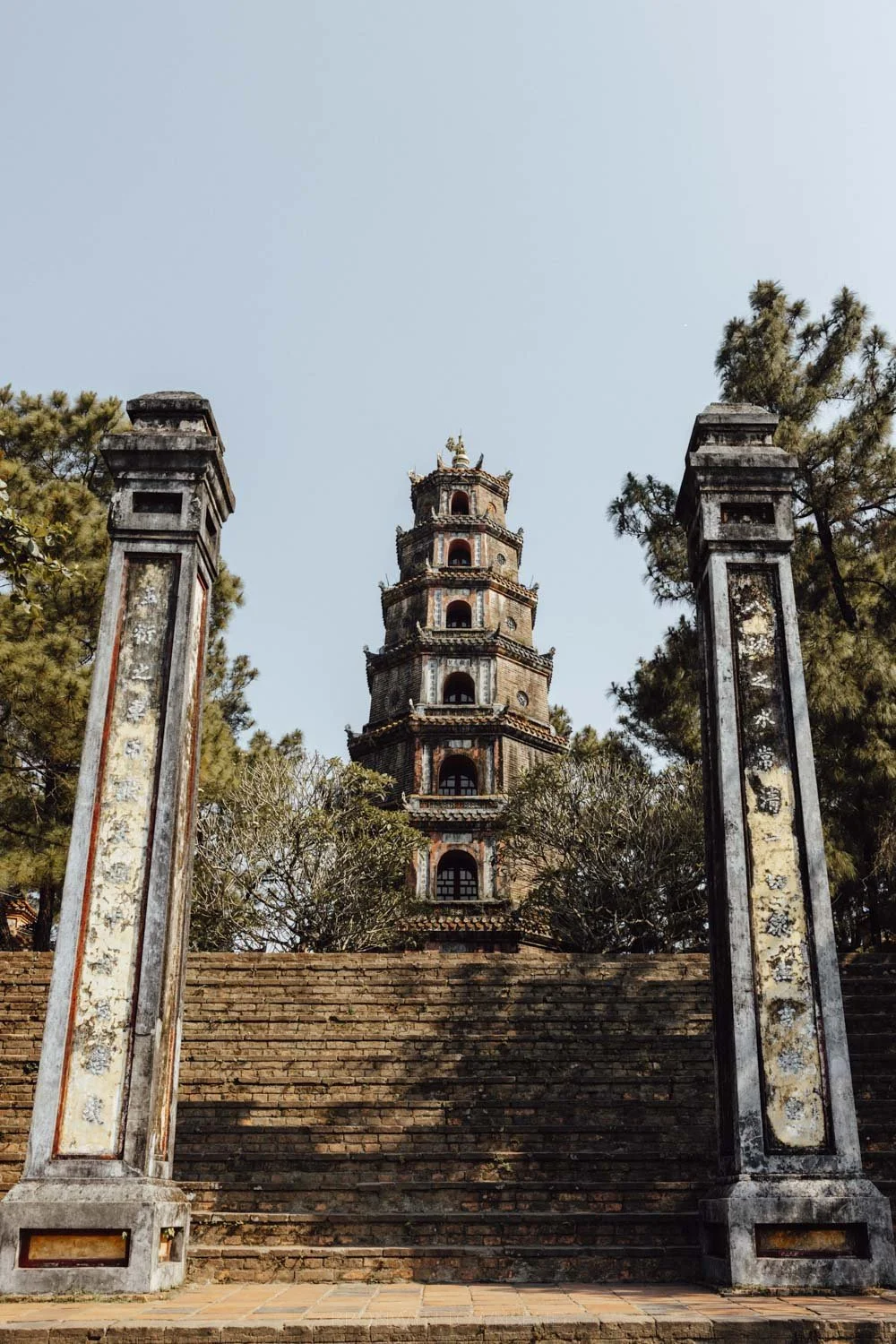
Standing tall on a hill overlooking the Perfume River, Thien Mu Pagoda is one of the oldest religious buildings in Vietname, dating back to 1601. The seven storey tall pagoda has become a symbol of Hue, and is popular among visitors looking for a peaceful place.
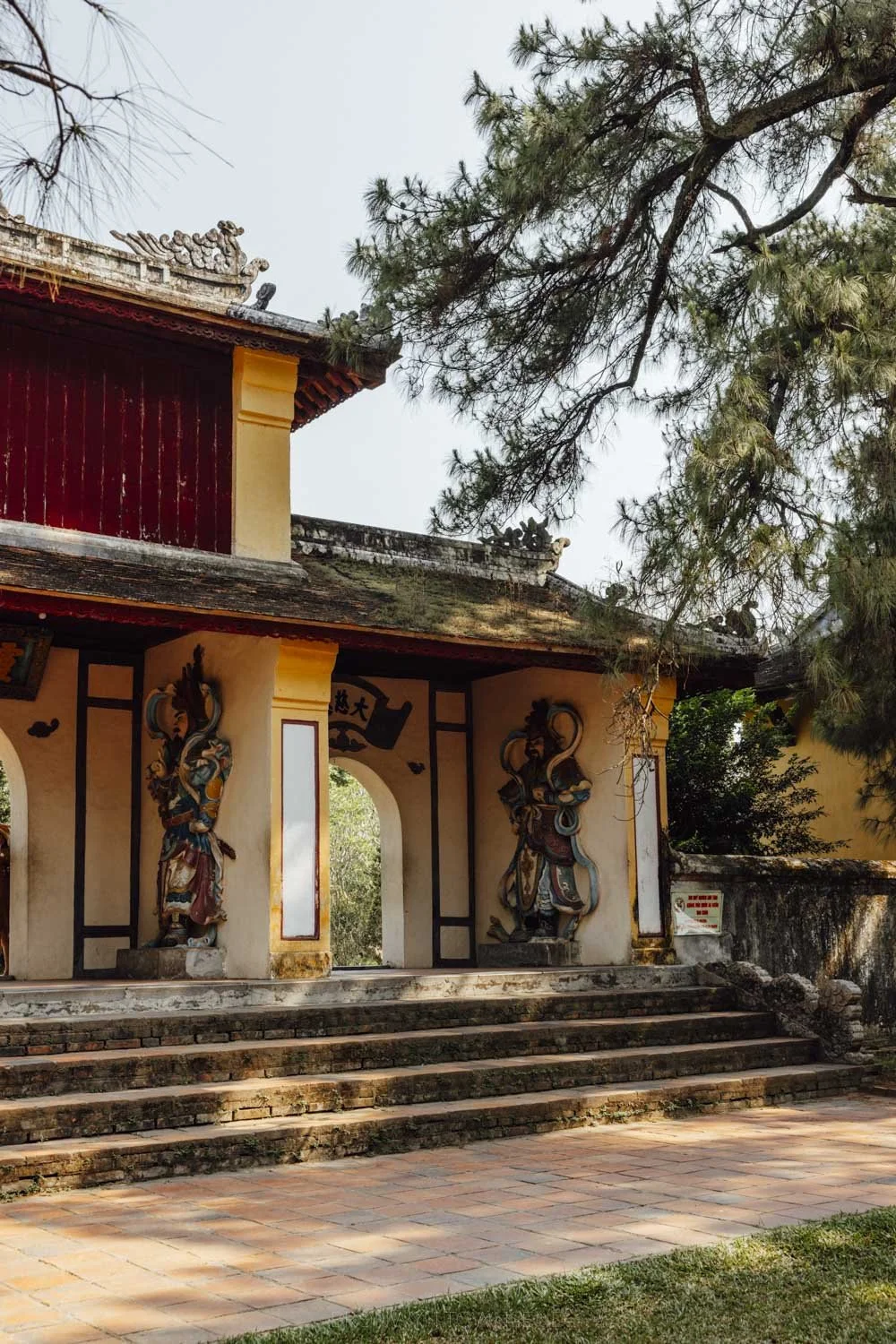
In addition to the pagoda, several other buildings are found on the site, including the Great Bell Pavilion and the main sanctuary hall. When I visited, the daily Buddhist rituals involving chants and prayers were taking place, adding a beautiful soundtrack during my visit.
The pagoda is open 24 hours and is free to visit, but sunset is the best time of day as you can catch it at golden hour and then watch over the river and surrounding mountains as the sun dips below the horizon.
Thien Mu Pagoda is around 10 minutes drive from the centre of town. You could walk it,but it takes around an hour. I found that getting a Grab was no issue there and back, and was very affordable. Alternatively, you could couple the next item on the list and get a dragon boat there.
4 | Take a dragon Boat ride on the Perfume River
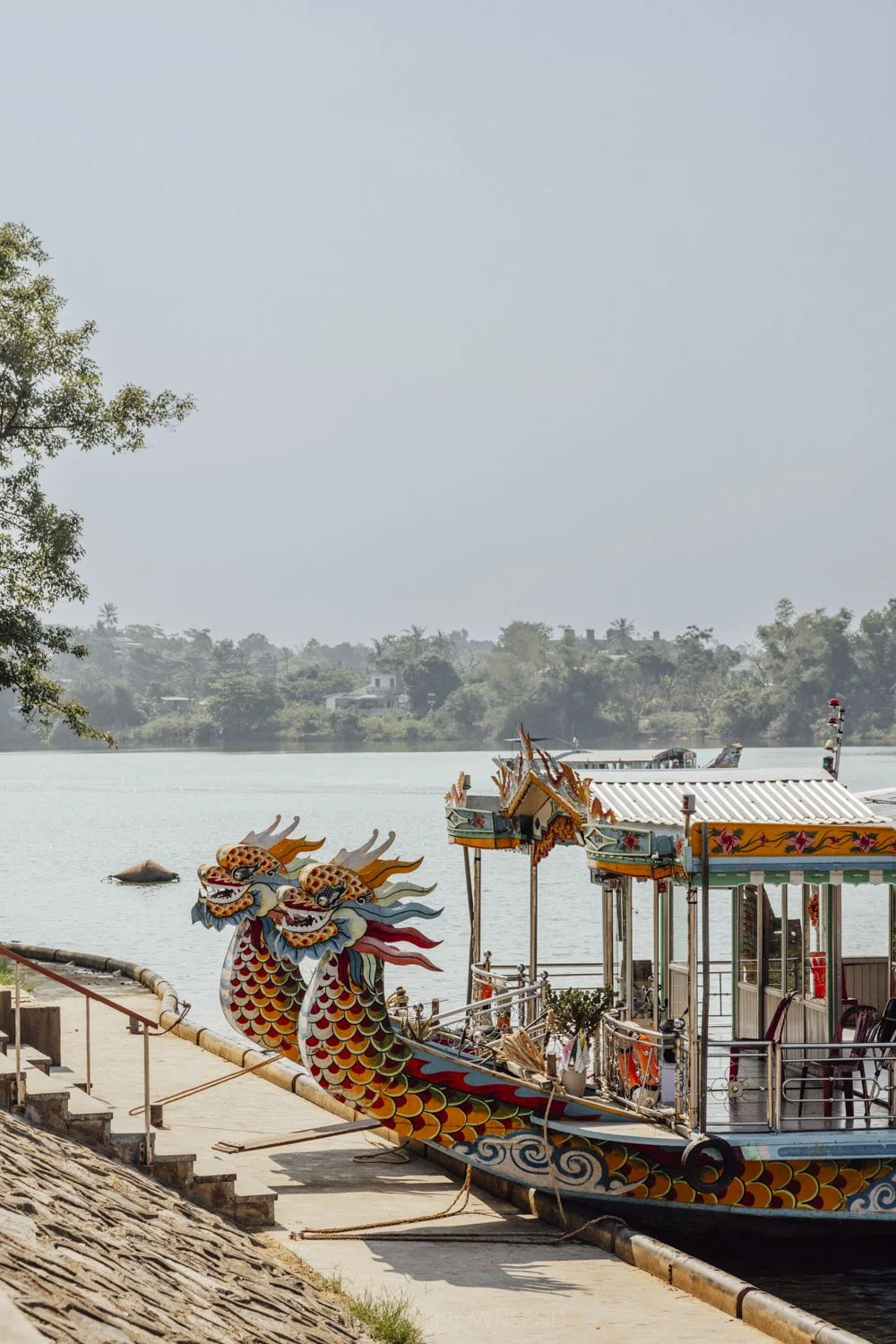
Experience Hue from the Perfume River on board a dragon boat. Modelled after dragon imagery that was tied to Vietnamese royalty, these brightly coloured boats operate throughout the day, usually departing from Toa Kham boat station near Truong Tien Bridge.
While sunset is my first pick of when to take one of these boat rides, it pairs well with a visit to Thien Mu Pagoda if you join a daytime cruise. Cruises with music also run in the evenings, when you can see the city lit up. Cruises usually last between 45 minutes up to 2 hours.
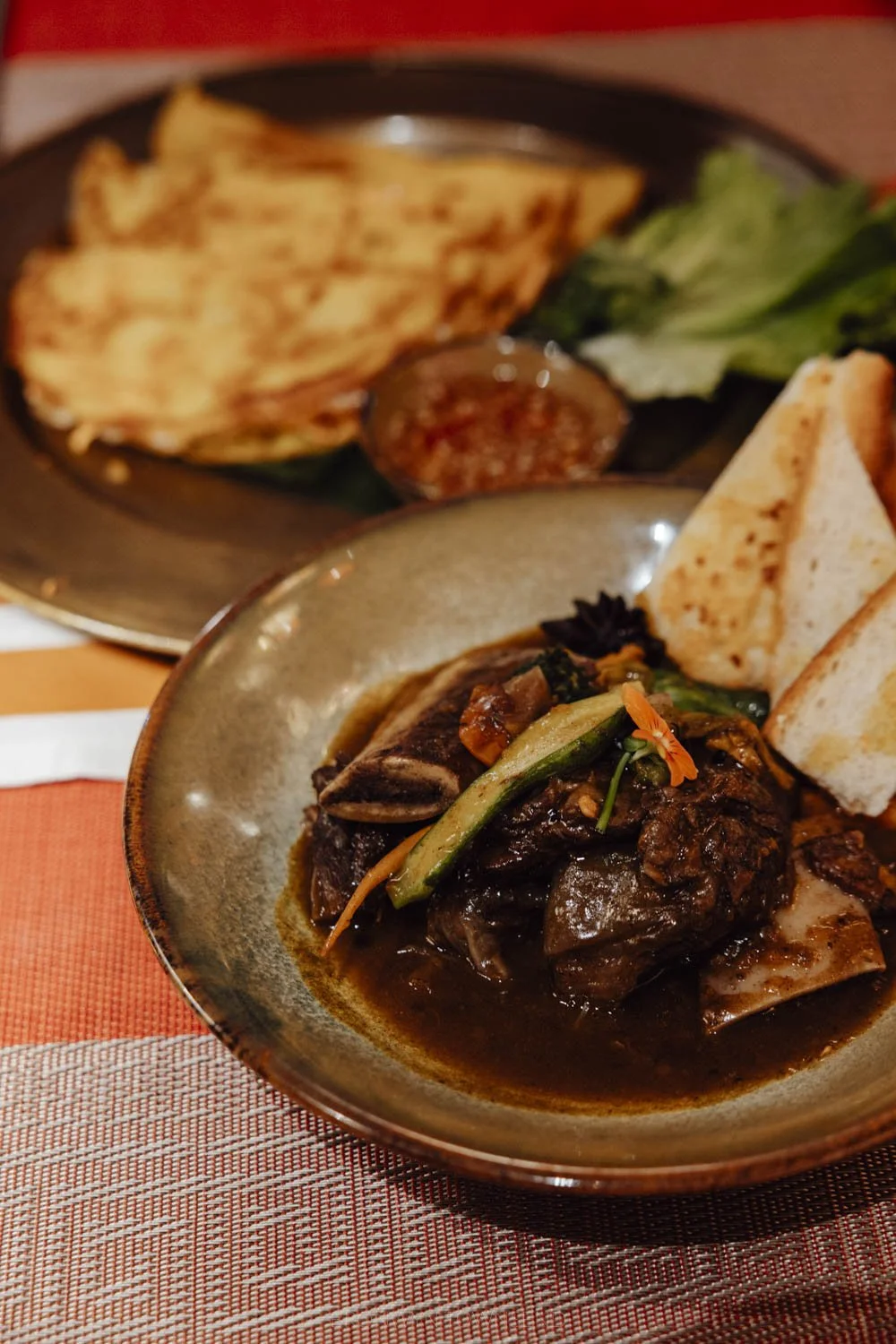
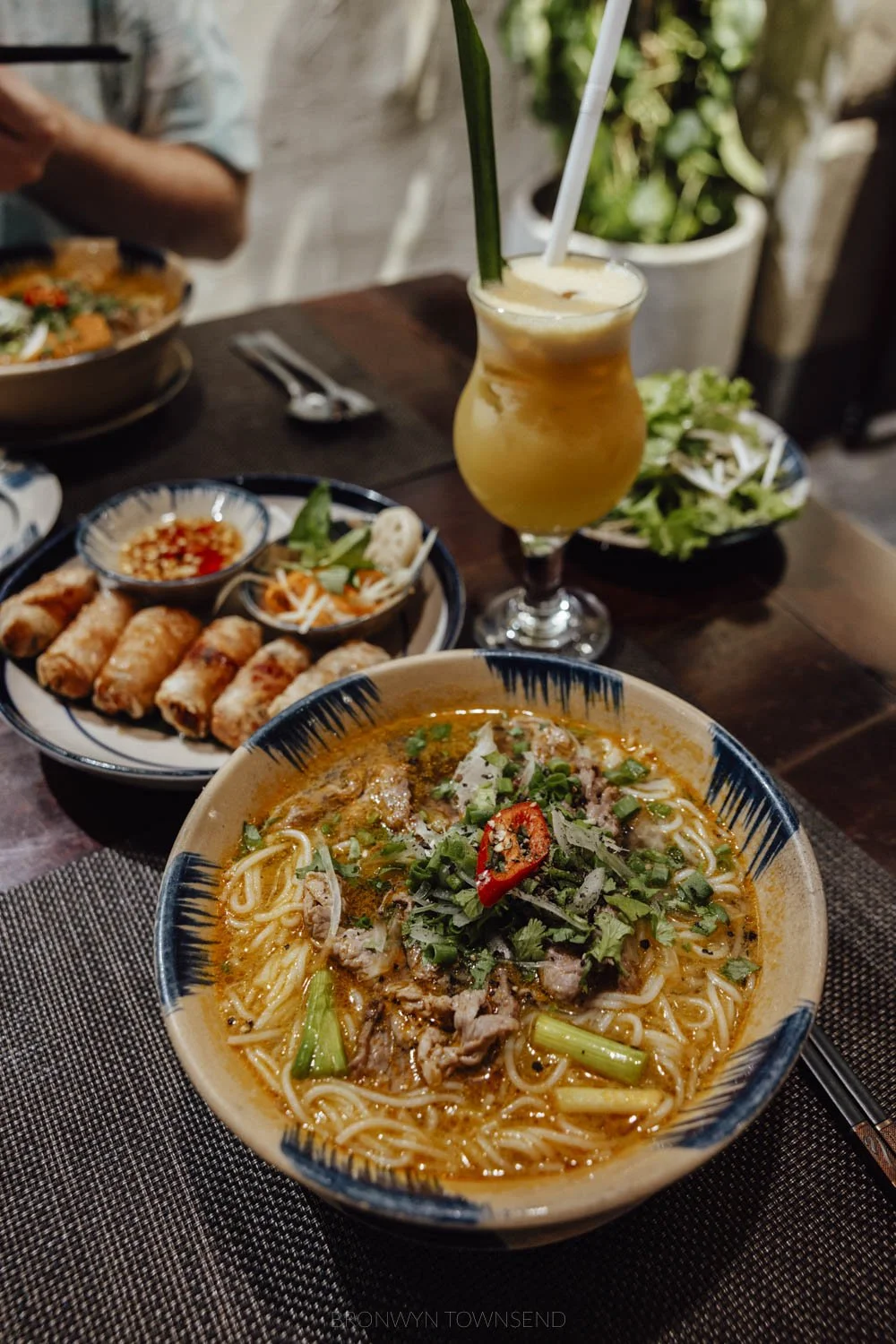
5 | Discover Hue’s refined, imperial-influenced cuisine
Vietnam is often revered for its diverse and inspiring cuisine, and it was beloved by Anthony Bourdain. One of his favourite foodie spots in Vietnam is Hue. What makes the culinary scene different here is how dishes were shaped by the influence of royal extravagance and Buddhist philosophy.
This resulted in dishes built around a mix of taste, presentation, and vegetarianism. So what should you try while in Hue?
Bún bò Huế | a spicy beef noodle soup that originated in Hue
Bánh bèo | tiny steamed rice cakes served in small bowls
Bánh khoái | a savoury, crisp pancake from central Vietnam, similar, but small and crispier than bánh xèo
Nem lụi | grilled pork skewers wrapped around lemongrass stalks
6 | Stroll through the halls of Anh Dinh Palace
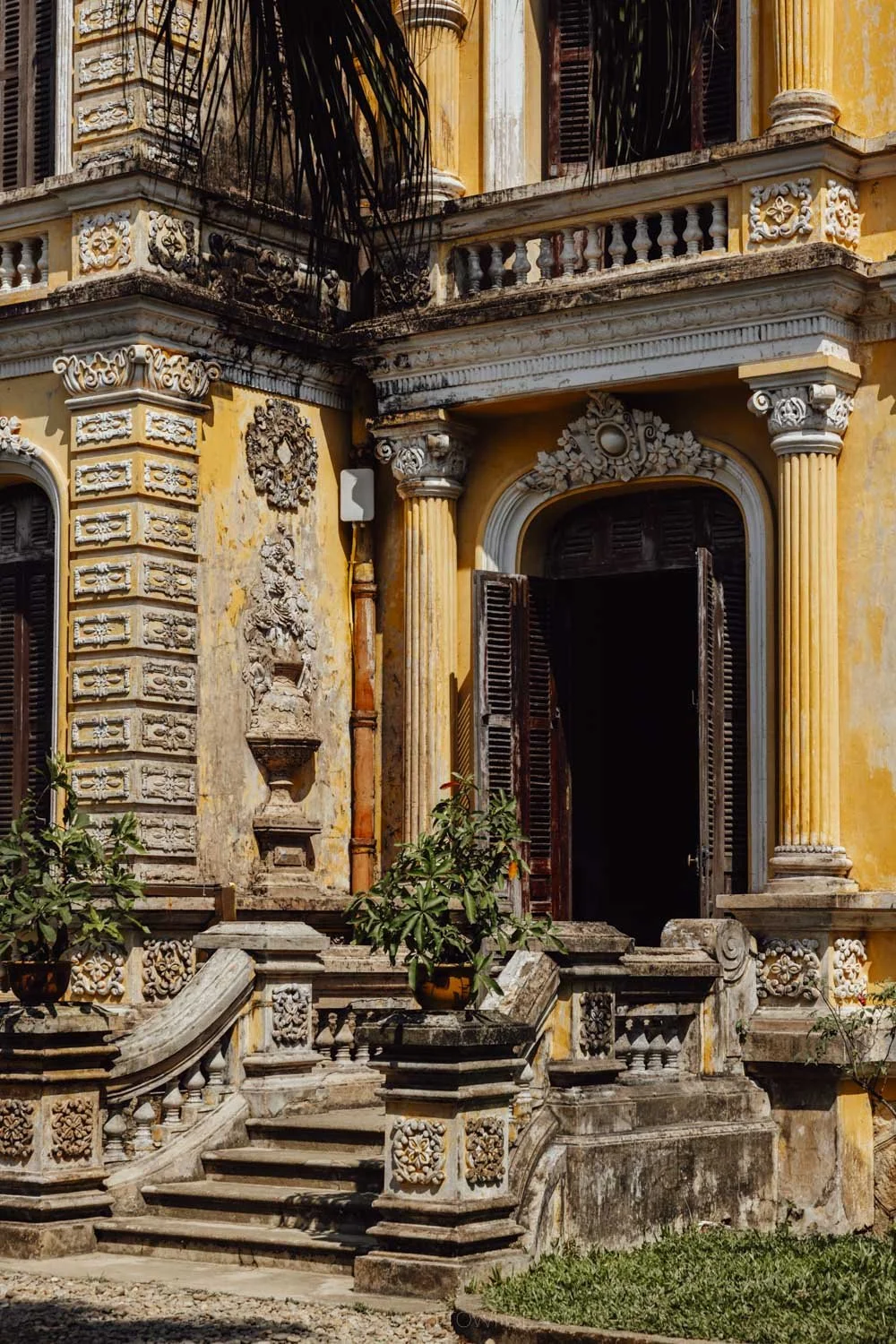
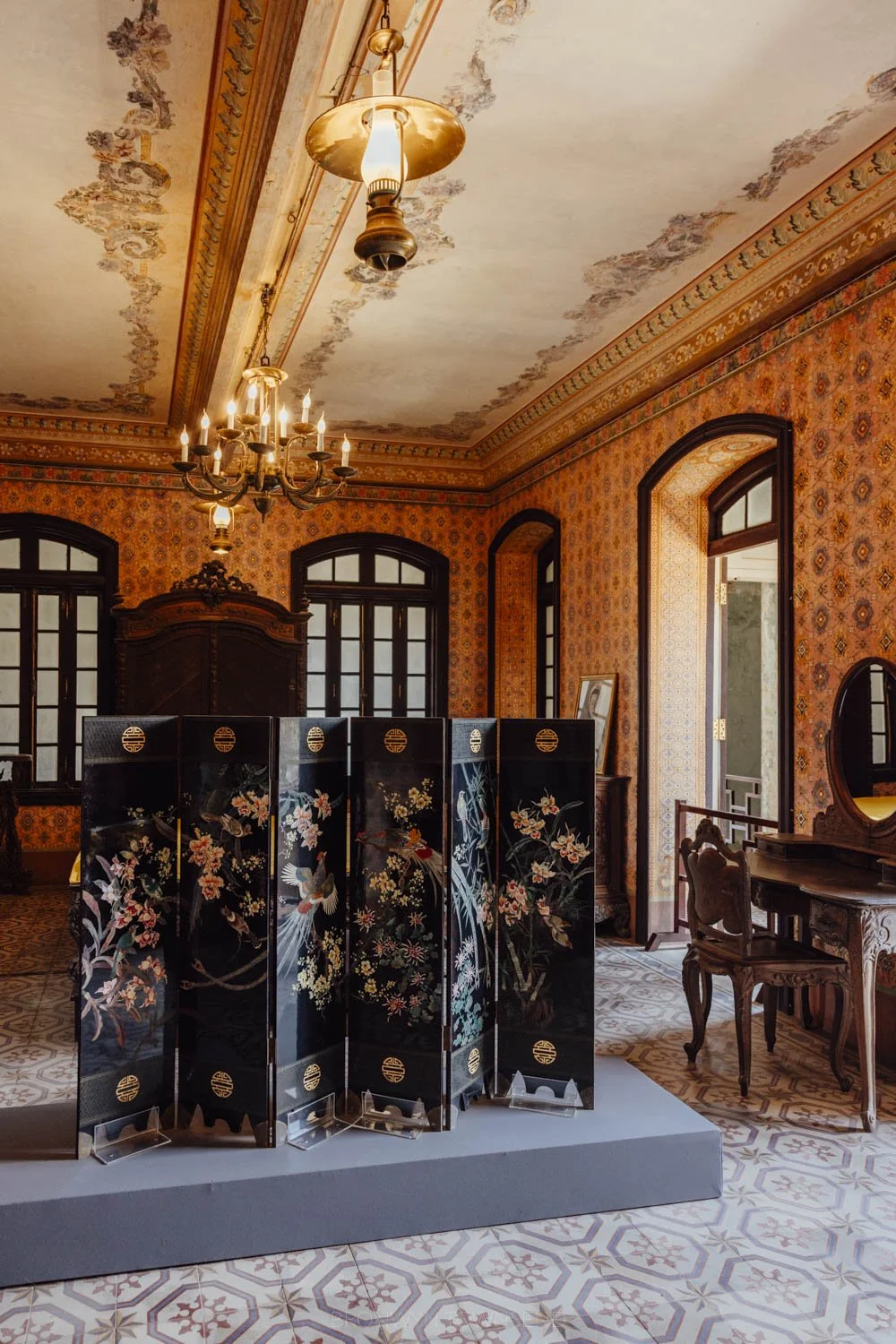
The Imperial Citadel is not the only place to find a royal residence in Hue. Anh Dinh Palace was built by Emperor Khai Dinh in the 20th century, it is a symbol of Vietnam’s Neoclassical period architecture that draws influences from Europe, which the emperor was enamoured with.
Set on the banks of the An Cuu River, the buttercup-yellow building is less busy than other sights in the city, but equally as stunning. The property served as the private residence for Vietnam's last royals, including Emperor Bao Dai and Queen Nam Phuong, and offers a glimpse into the lifestyle of the Nguyen Dynasty.
7 | Experience Dong Ba Market
At Hue’s largest and oldest traditional market, you’ll find locals shopping for fresh fruit and vegetables for the day’s meals, and stalls filled with souvenirs and handicrafts to shop. I didn’t make it to the market, but it’s similar to those located in other Vietnamese cities.
Set on the north bank of the Perfume River near the city center, it was established in the late 19th century and has become one of the best places to sample Hue’s renowned cuisine, with stalls offering specialties such as bún bò Huế (spicy beef noodle soup), bánh bèo (steamed rice cakes), and various sweet desserts.
8 | Try Hue’s delicious salted coffee
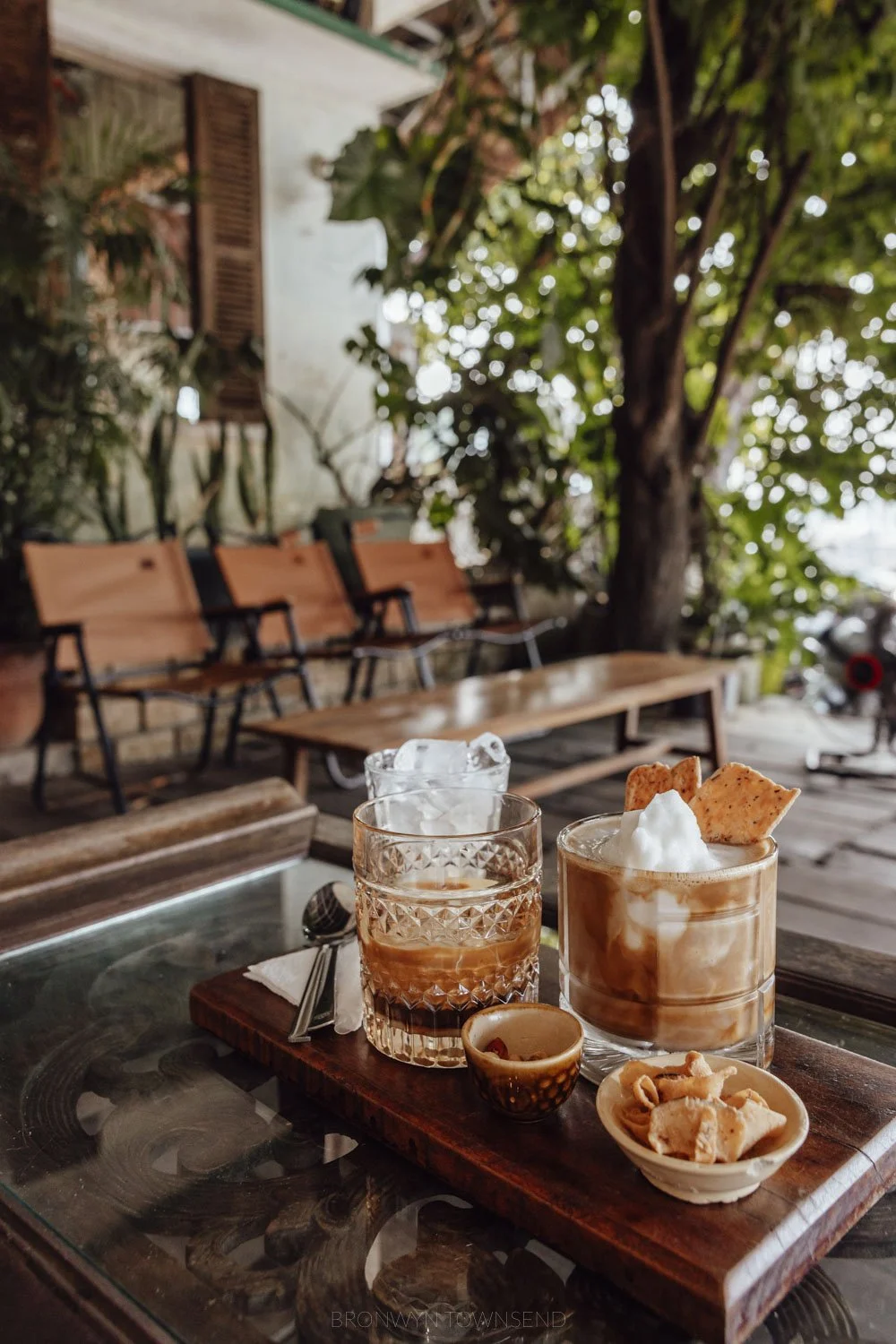
Vietnam’s coffee culture is no secret, and while egg coffee finds its origins in the capital, and a smooth, sweet variety is iconic to Ho Chi Minh City, Hue added its own take on Robusta with cà phê muối AKA, salt coffee.
A relatively new addition to the Vietnamese coffee catalogue, it was invented in 2010 by a couple in Hue. Made from a blend of robusta coffee, condensed milk, and a layer of salty cream, it cuts through the sharp bitterness of the coffee to create a smooth, balanced drink.
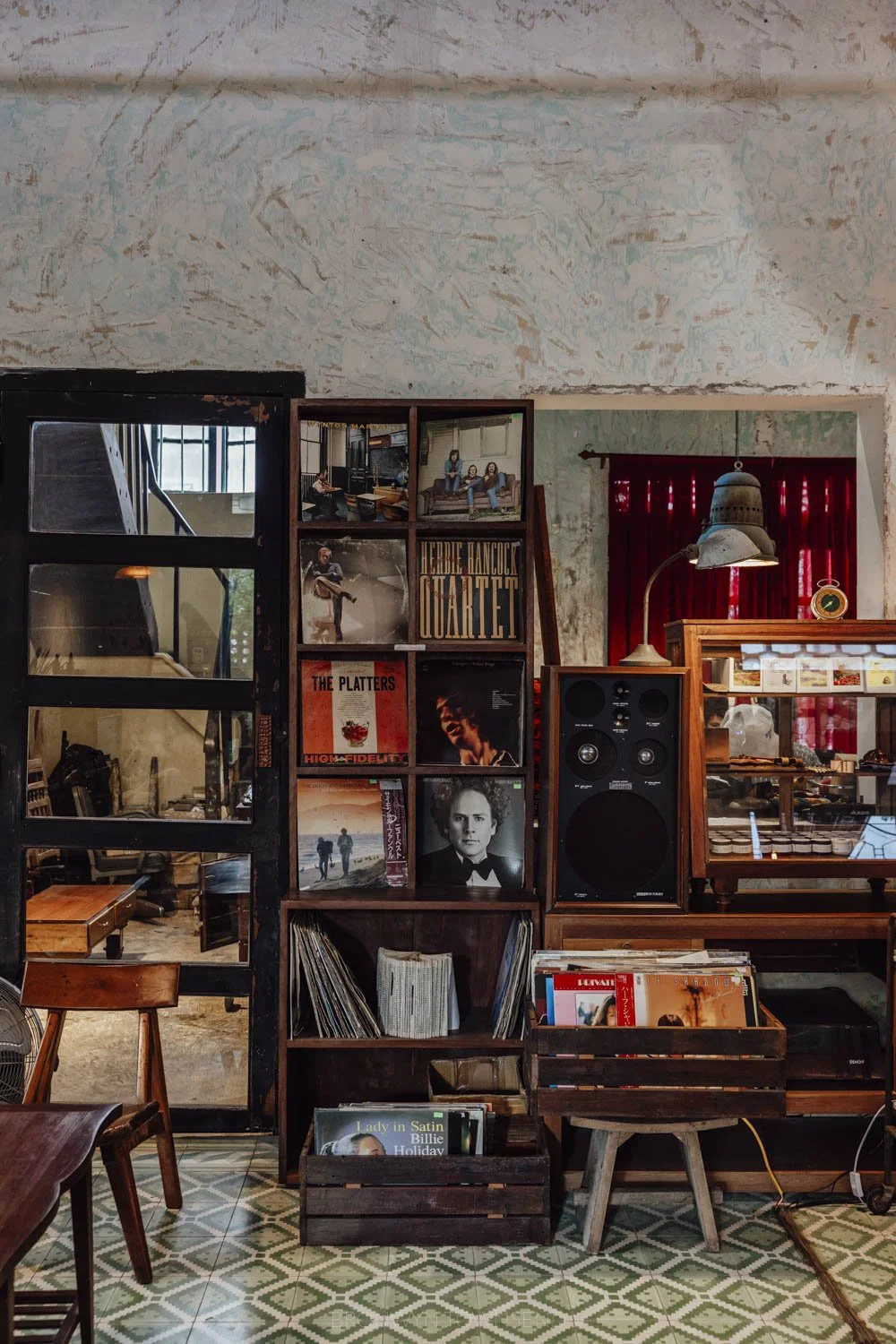
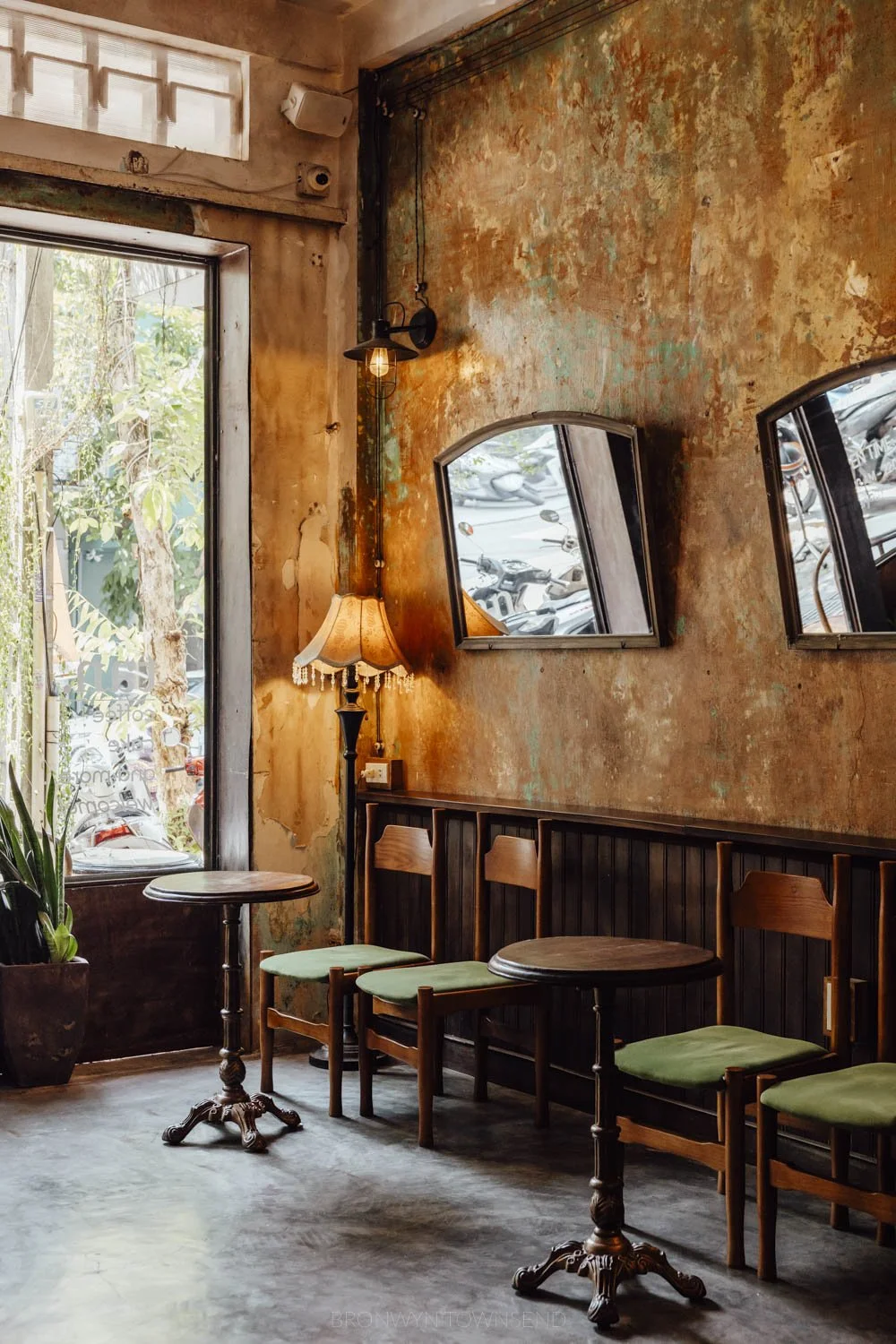
I had a great salt coffee at Son. Studio, which has two locations in the city in a cool warehouse and historic building-turned cafe. Some of my other favourite coffee spots in town are:
Is Hue worth visiting?
If you’re planning to spend time in Central Vietnam, skipping Hue would be a mistake. While this city isn’t a hidden gem, it’s still missed off a lot of people’s itineraries, and I think that’s a huge oversight.
If you’re already planning time in Hoi An, Da Nang, or other areas in Central Vietnam, Hue is absolutely worth visiting. It has amazing royal-inspired cuisine, a wealth of architecture, and feels like a step away from the constant buzz of Hanoi and Saigon.
How long to spend in Hue?
A lot of people only allocate a day trip to Hue, but I’d recommend at least two days. If you can swing it in your itinerary, even consider three days so you can slow down and enjoy Hue’s slower pace (and all the amazing food!).
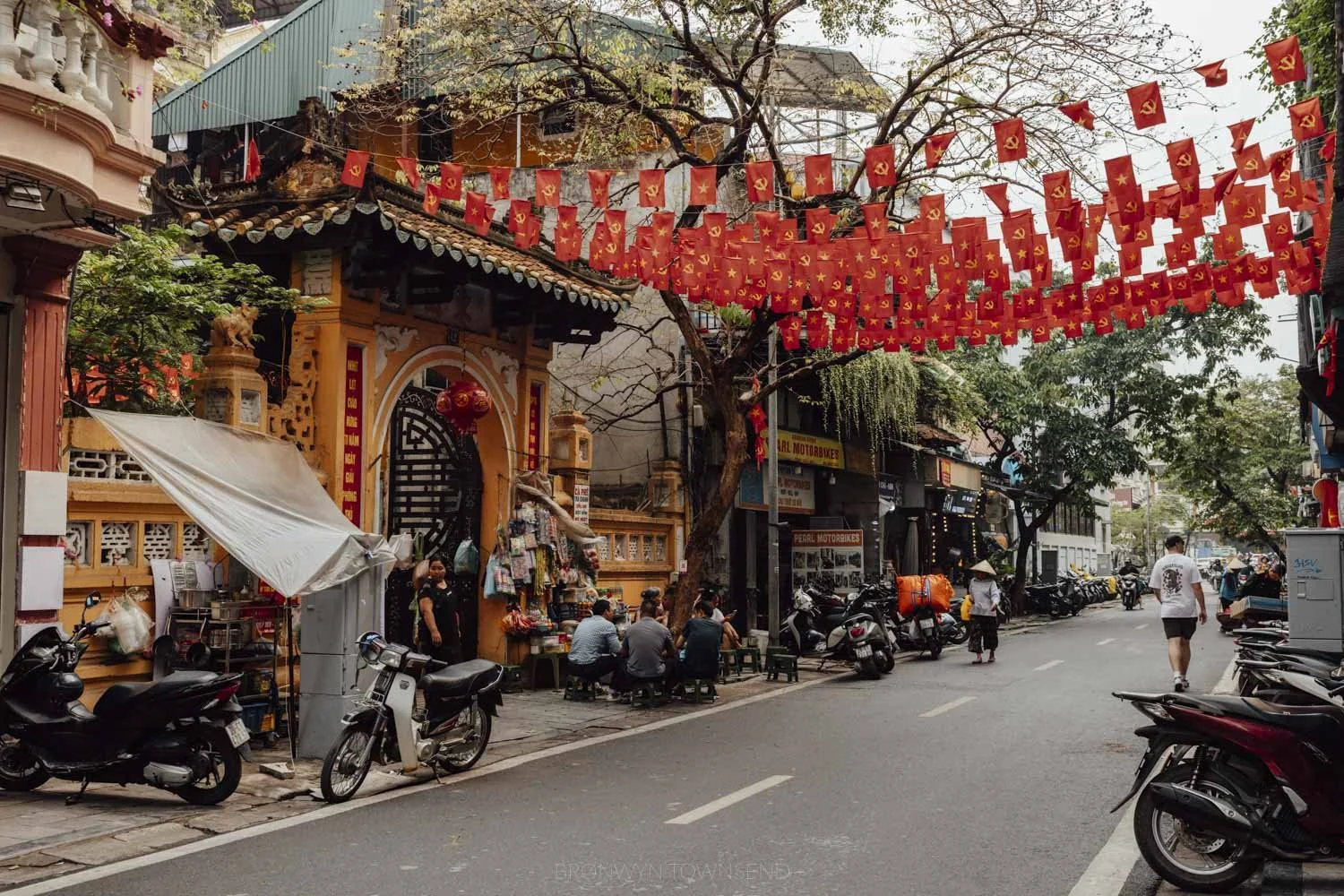

This highlight in Central Vietnam is full of wonder. Discover the best things to do in Hue, Vietnam from the Imperial Citadel to flavour-packed cuisine.