2 days in Kanazawa: the ultimate itinerary for first-timer’s
With this 2 day Kanazawa itinerary, wander historic geiko teahouse districts and samurai streets, stroll iconic gardens, and soak in the city’s rich cultural heritage. Along the way, enjoy some of Japan’s freshest seafood, from bustling market stalls to refined local eateries that celebrate the region’s seasonal bounty.
This post may contain affiliate links.
If you choose to purchase I may receive a small commission at no additional cost to you. By using these links, you are supporting the ability for me to continue creating content for this site and its running costs.
This two-day Kanazawa itinerary is a perfect introduction to one of my favourite places in Japan, a city where history and modern life intertwine effortlessly. I first visited in winter, bundled up in layers of Heat Tech, jetlagged with camera in hand. The streets and gardens were dusted in snow, and the crisp air was ideal for early morning and evening soaks in my hotel’s onsen. Later, I returned in spring and early summer, each season revealing a different side of the city.
Kanazawa’s geiko teahouse districts and samurai lanes offer a glimpse into its past, while a lively cafe culture and a standout coffee scene keep the city feeling fresh and vibrant. It’s also a foodie hotspot, with restaurants, market stalls, and eateries serving some of Japan’s freshest seafood. And if you are looking to skip overtourism in Kyoto, then Kanazawa offers some similar features without the crowds.
Kanazawa Castle and Kenrokuen Garden anchor the city, and peeling back the layers reveals history woven into everyday life. From Omicho Market, where seafood hauled from icy waters hours earlier sits on beds of ice, to the city’s artisan heritage in gold leaf, pottery, and hand-dyed silk, Kanazawa balances tradition and modernity at every turn.
This itinerary guides you through the best things to do in Kanazawa, from gardens and historic streets, to contemporary art and bustling neighborhoods. Condescending the best the capital of Ishikawa has to offer, two days in Kanazawa, Japan showcases why it's a city that charms visitors across every season.
Kanazawa in a nutshell
Short on time and looking for my top recommendations? Here are things you shouldn’t miss when in Kanazawa.
1 | Omicho Market and Higashi Chaya Food and Culture Tour
2 | eBike Tour of Kanazawa
3 | Half Day Private Guided Tour
Where to stay in Kanazawa
1 | Hotel Kanazawa Zoushi| for a boutique hotel with a traditional touch
2 | SOKI Kanazawa | best value for a central stay
3 | Korinkyo | for a luxurious stay
Read my complete guide to help you decide where to stay in Kanazawa.
Day 1 | Gardens, Gold & Geiko Streets
Breakfast at Omicho Market
A quiet energy runs through the 170-odd stalls that line Kanazawa’s thriving seafood market. Operating for more than 300 years, seafood, fresh produce, and seasonal specialties offer a colourful welcome to Ishikawa’s culinary scene.
From November to March, you can’t miss trying snow crab, which is only available through winter and offers a sweet, flakey delicacy that even non-seafood fans will enjoy. If you want sushi to start your day, head to Morimori Sushi or Omicho Ichibazushi Honten.
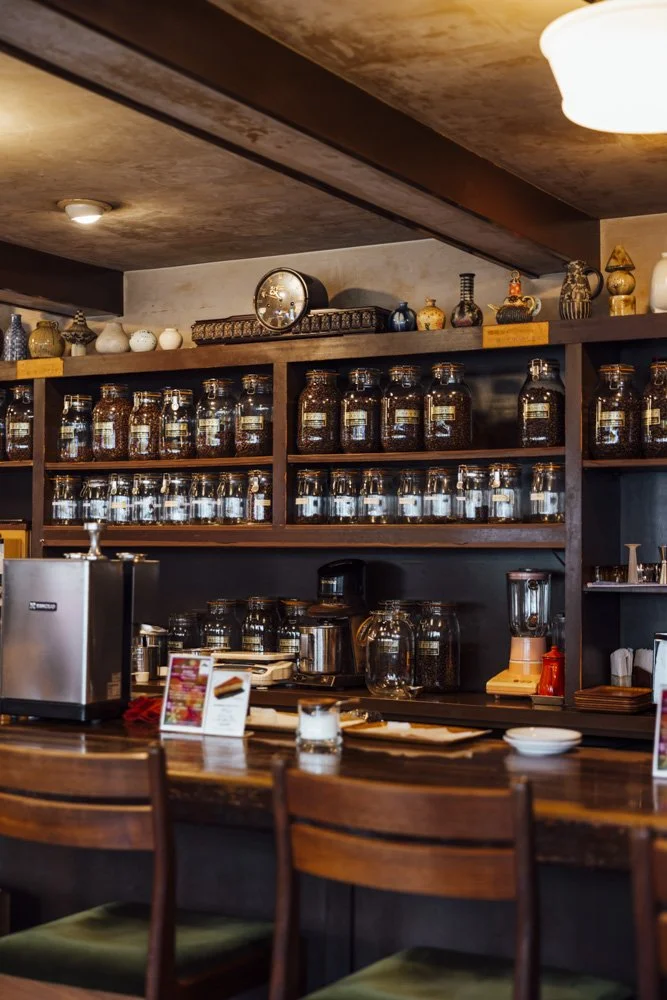
For Coffee, Petra Coffee on the edge of the market is a great option. Alternatively, if nothing takes your fancy in the market, head to Higashide Coffee just a few blocks away for a retro-style cafe which serves coffee with toast sets or their famous caramel pudding.
Expect to spend around one hour at the market, or a little more if you plan on eating here. I recommend breakfast at Omicho, because it becomes quite busy by lunch with longer queues for the most popular eateries.

Omicho Market
Higashide Coffee
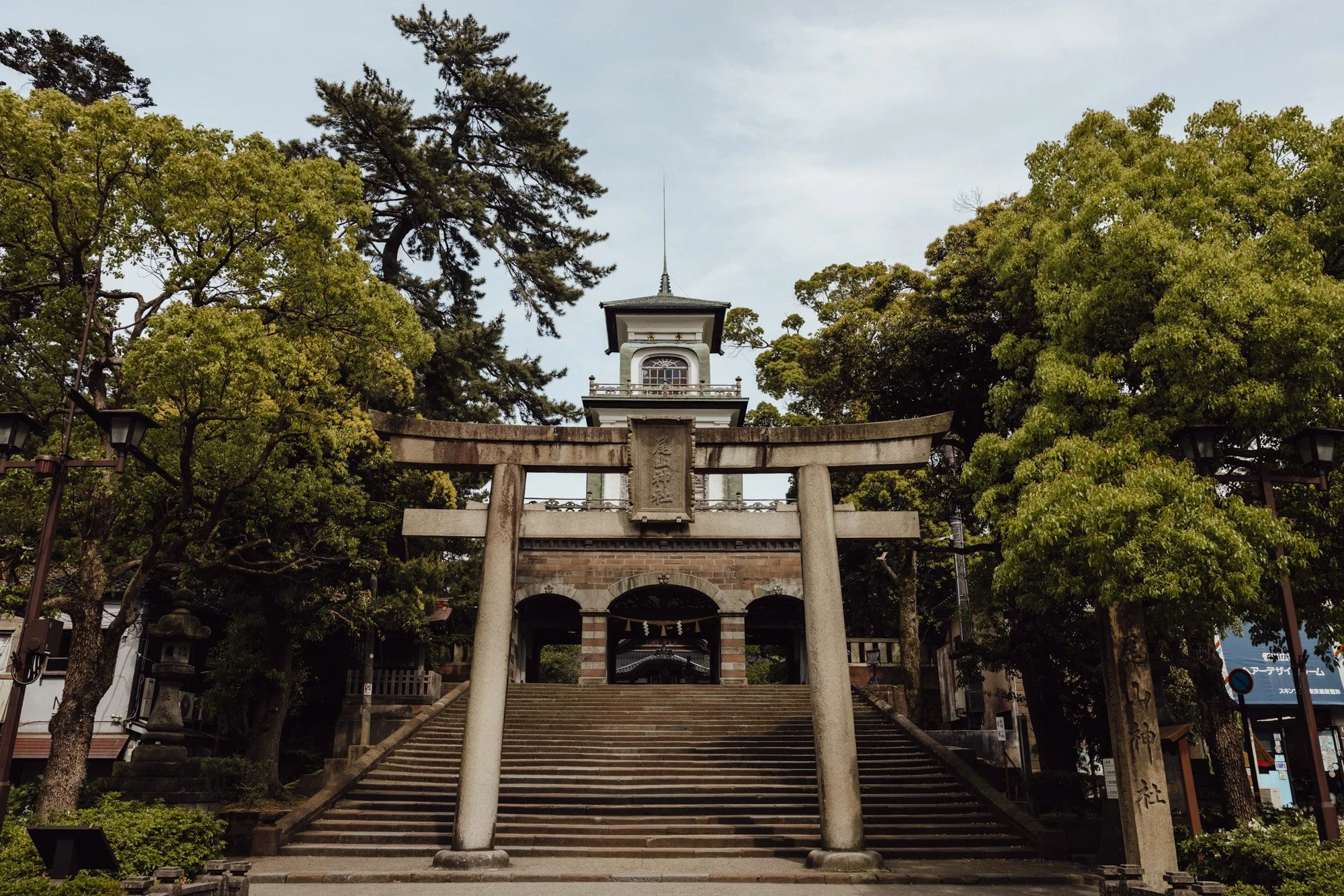
Oyama Shrine
Next, make your way to Oyama Shrine, which is around a 10-minute walk from Omicho Market. My favourite of all of Kanazawa’s shrines or temples, the unique stained glass gate with a blend of Dutch, Chinese, and Japanese architectural details, and a moss-tangled garden with a pond, offer a serene place to stroll.
Dedicated to Maeda Toshiie, the powerful first lord of the Kaga domain, this shrine was relocated to its current site during the Meiji era. This garden is beautiful all year round, with delicate pink blossoms in spring, lush green gardenscapes from late spring to early autumn, before the leaves begin to turn.
I’d allow 30 minutes for your visit, as there are several sculptures to admire around the garden, as well as a stroll around the pond. You can also get a goshuin during the office hours here if you are collecting these as a commemoration of your visit.
Gyokusen-inmaru Garden
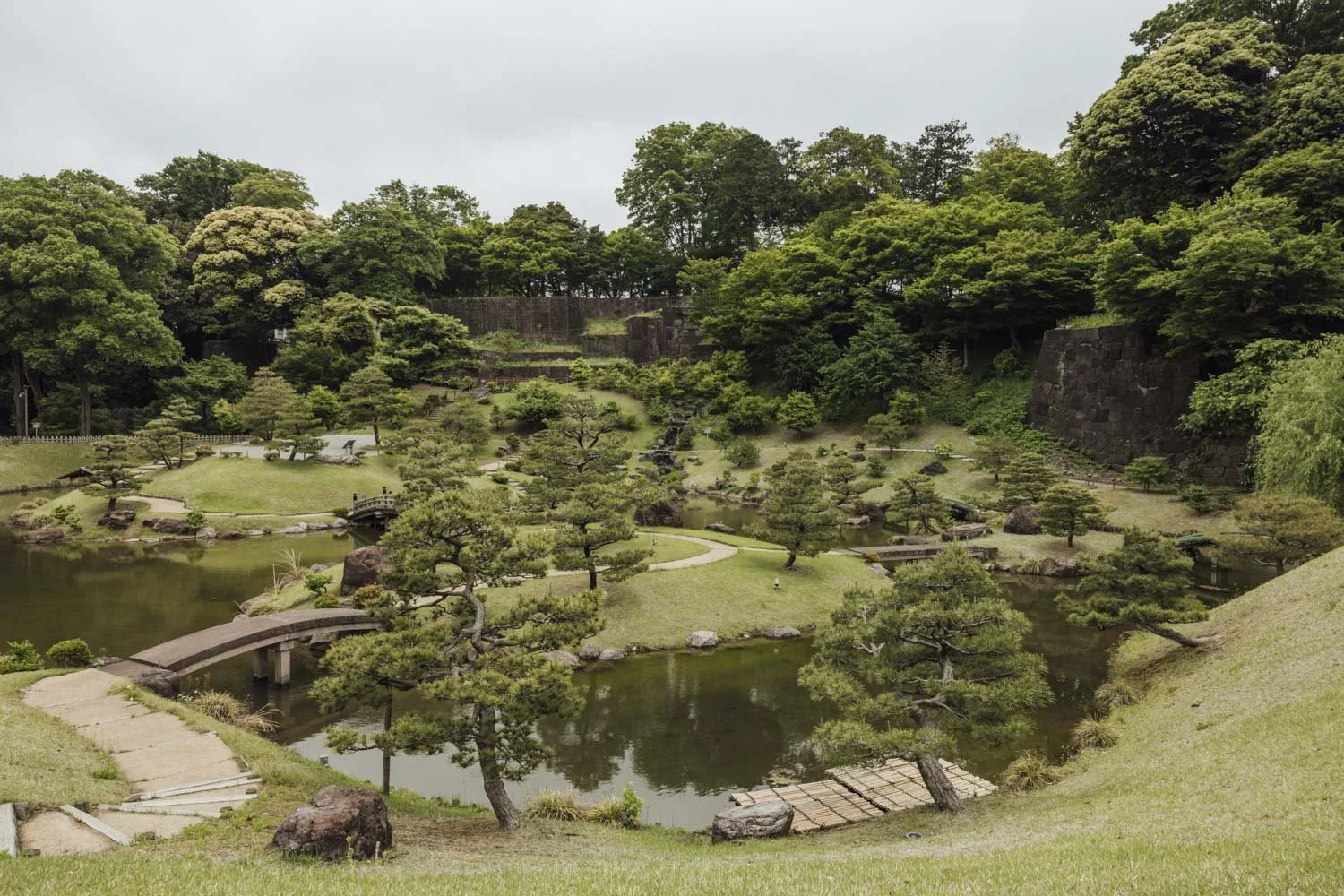
Past the pond at the rear of Oyama Jinja’s garden lies Kanazawajo Nezumitamon Bridge. Cross the bridge and make your way to Gyokusen-inmaru Garden, which was formerly part of the residential area of Kanazawa Castle and believed to be a private garden of feudal lord Toshitsune Maeda.
Restored to reflect classical Edo-era garden design, this smaller garden serves as a quiet complement to the renowned Kenrokuen. With wooden bridges, ponds, and a teahouse, this is the perfect place to pause.
If you’re in Kanazawa on a weekend, the garden is illuminated from sunset until 9pm on Friday and Saturday evenings, and on nights before a public holiday. So it might be worth popping back after dark if you’re interested.
Kanazawa Castle Park
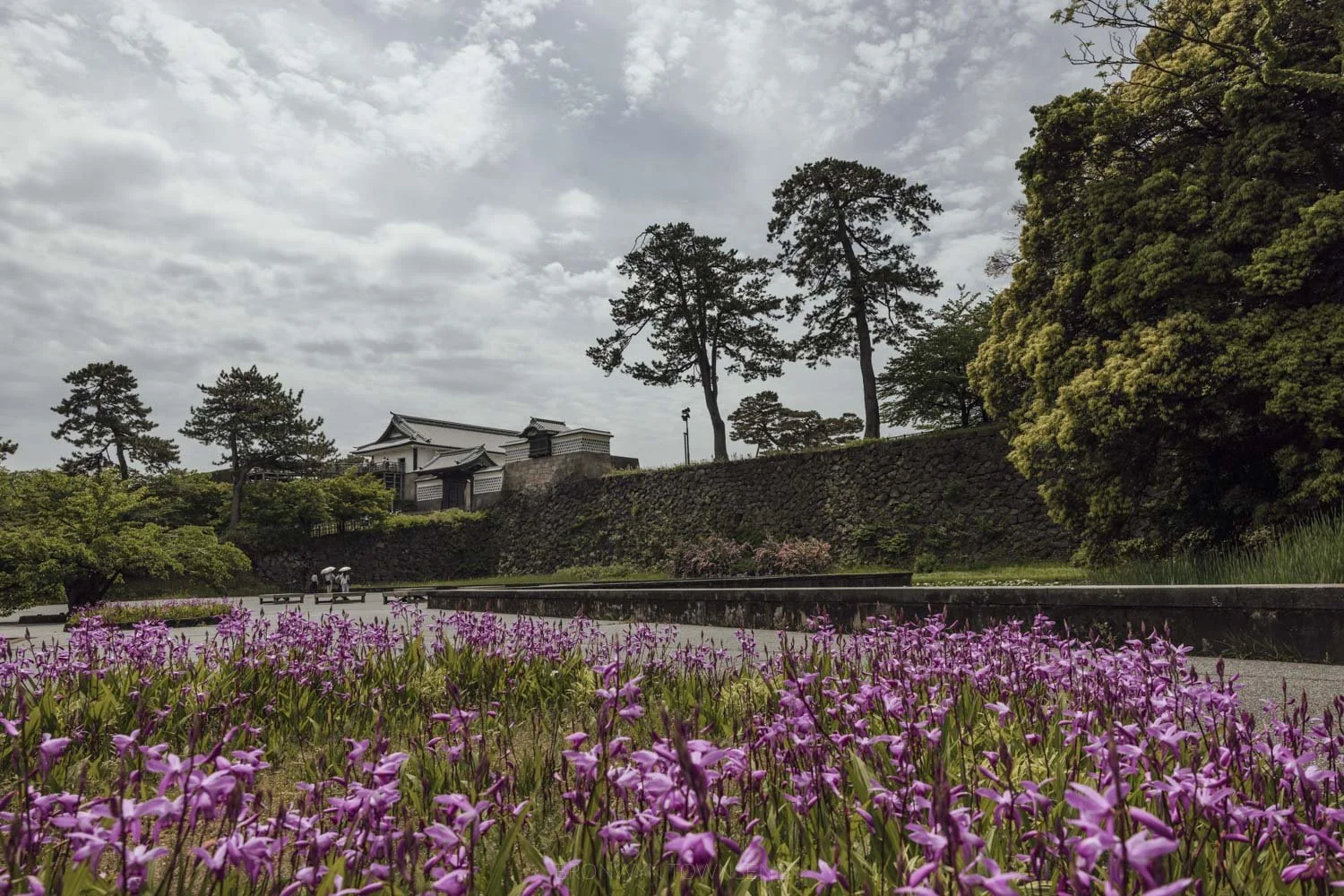
The Maeda Clan were the powerful rulers of the Kaga Domain throughout the Edo Period. With much of the city sprawling out from the Kanazawa Castle and the surrounding park, wandering the free park grounds is a great way to get acquainted with some of the city’s history.
Originally built in the late 16th century, the castle was destroyed by fire (a common theme among Japan’s castles) in 1881. Eventually rebuilt, it reopened to the public in 2001. You can pay a small fee to enter the castle, but I don’t consider this a must-do, as there isn’t a lot to see inside.
In spring, the castle park is often filled with vibrant seasonal blooms, and it’s especially picturesque around early April when the sakura are blossoming. Once you’re done with seeing the park and castle, head to the Ishikawa Gate, which connects you with entry to Kenrokuen Garden, the next stop in this two-day Kanazawa itinerary.
Kenroken
One of the illustrious group, ‘Japan's Three Great Gardens’, Kenroku-en is every bit as alluring as this title suggests. Built throughout the 17th to 19th centuries by the Maeda family, the manicured gardens are picturesque every season. It was later opened to the public and designated a National Site of Special Scenic Beauty.
At an impressive 11.4 hectares, ensure you allow yourself plenty of time to meander through the gardens' shaded paths mindfully. I’d recommend one to two hours at least. There is no ‘right way’ to explore this garden, but there are several points of interest that I recommend you don’t miss during your visit.
Kotoji Toro | Set on one side of the Kasumigaike Pond by Nijibashi Bridge is the Kotoji Toro, a stone lantern named for its resemblance to the musical instrument, koto. This is one of the most popular photo spots in the entire garden, especially during the autumn foliage season and there are often lines if you’d like a photo here.
The Plum Grove | Plum (ume) blossoms are underrated compared to the better-known sakura (cherry blossoms), however they are a spectacular sight from around mid-February until mid-March. Take a wander through the winding paths and enjoy these floral beauties in varying shades from pale pink to a deep fuchsia.
Karasaki Pine Trees and Yukitsuri | In winter, you’ll see trees all across Kanazawa supported by ropes to prevent them from being damaged under the weight of heavy snow. Known as the yukitsuri technique, Kenroku-en is a great place to witness this example of traditional techniques to prevent the pine trees from breaking.
Miyoshian Suitei | There are several teahouses throughout the gardens, but Miyoshian occupies a stunning spot overlooking the Hisago-ike Pond. Sip on matcha while you watch bird life and koi go about their day around the pond.

Kazuemachi and Higashi Chaya
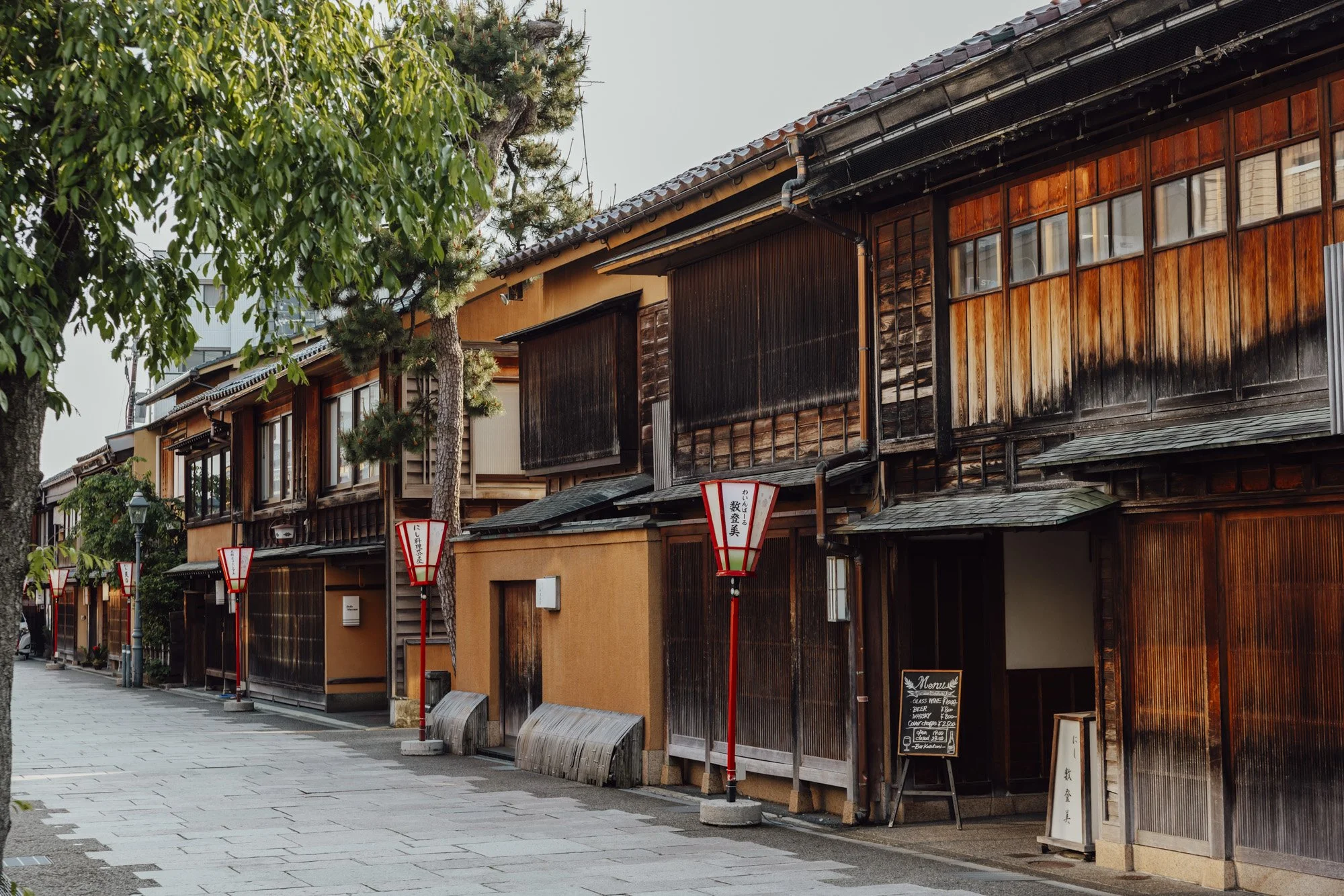
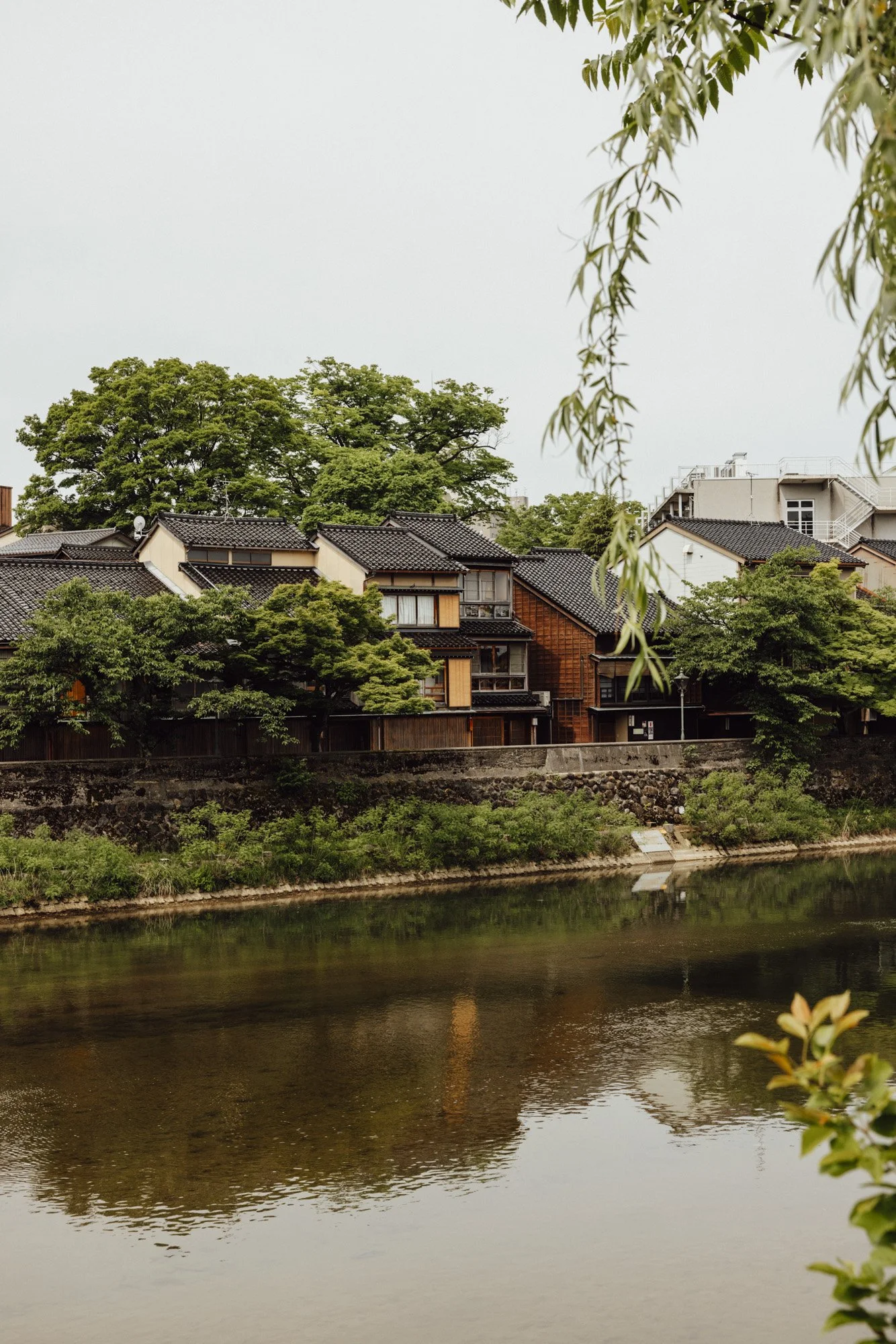
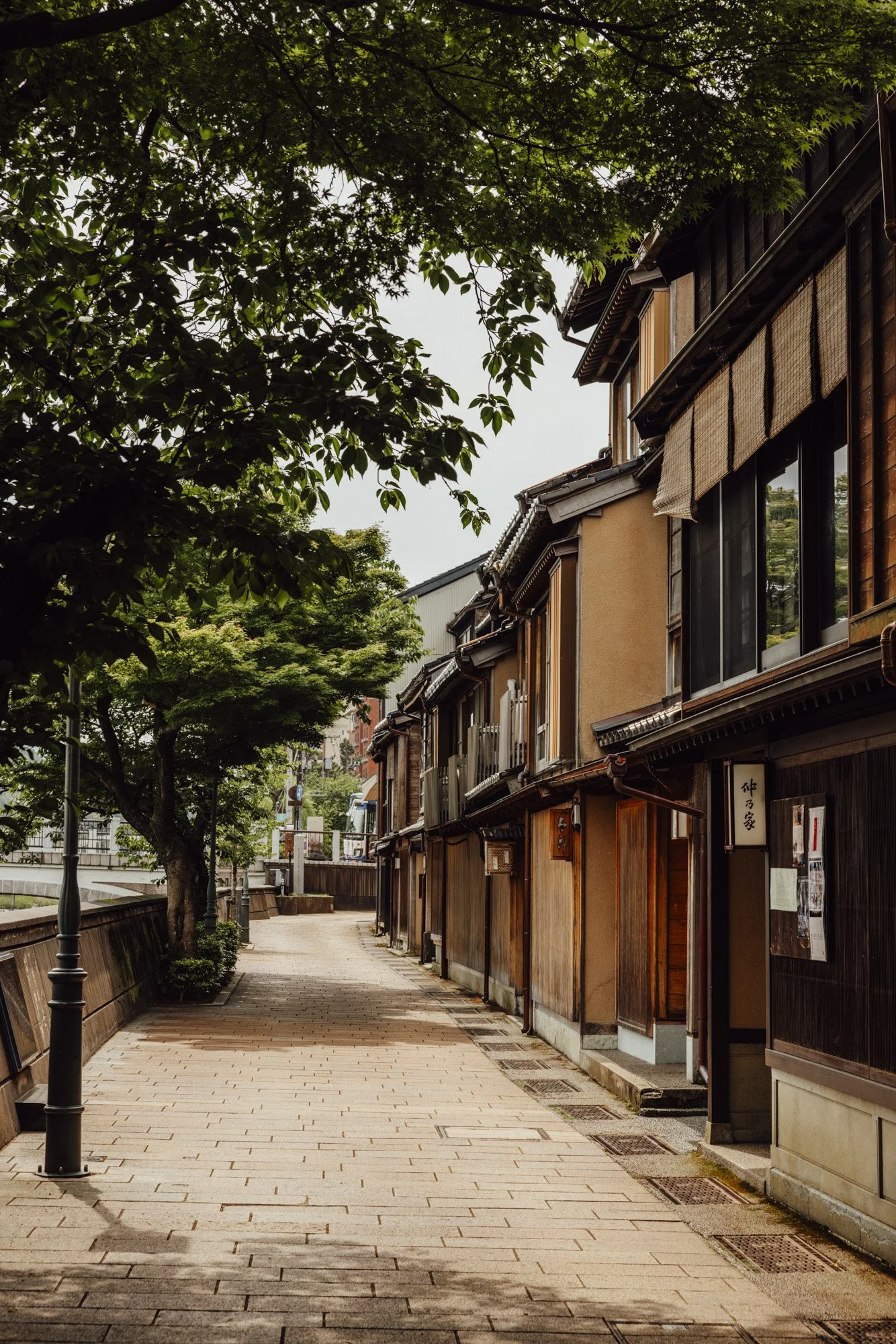
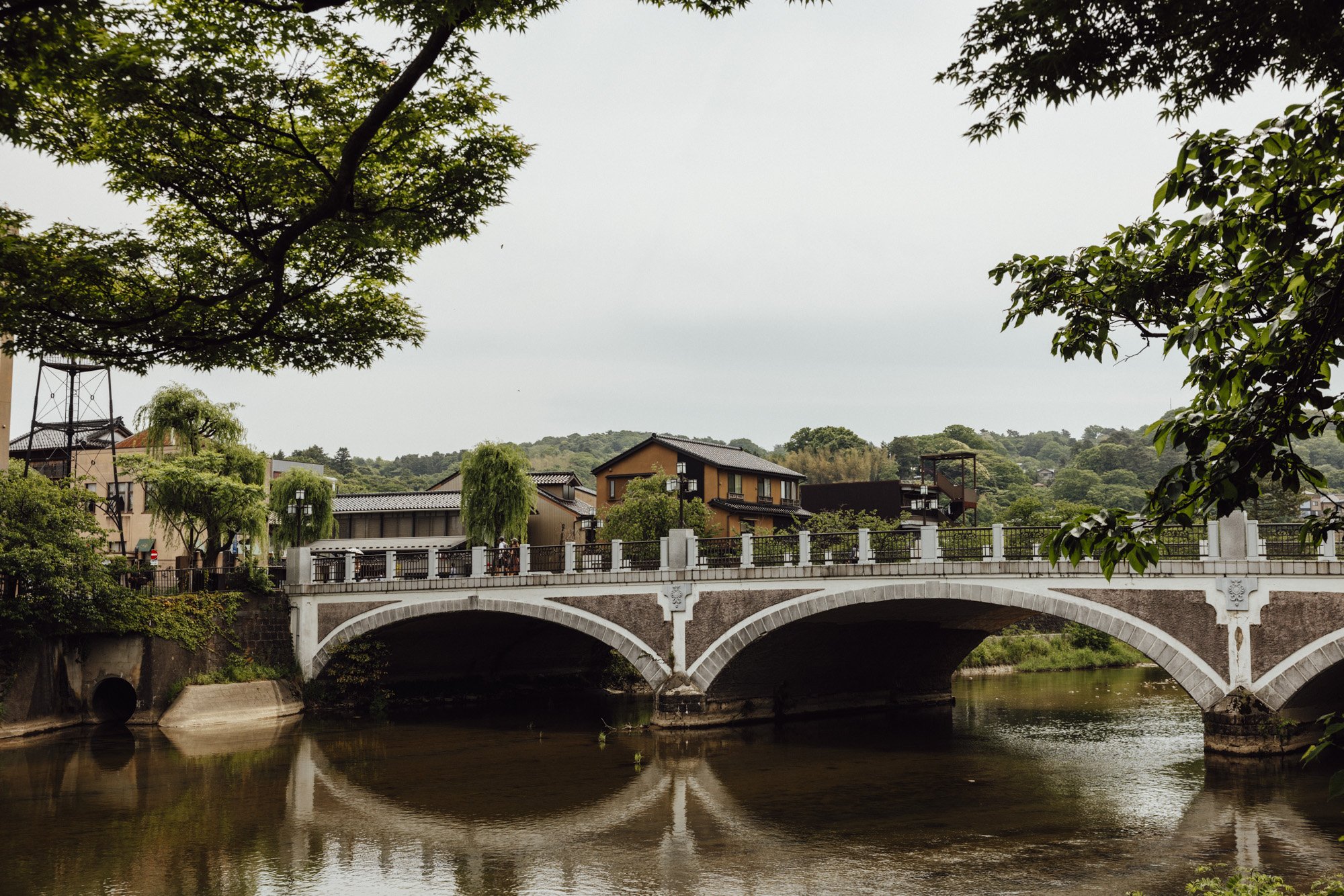
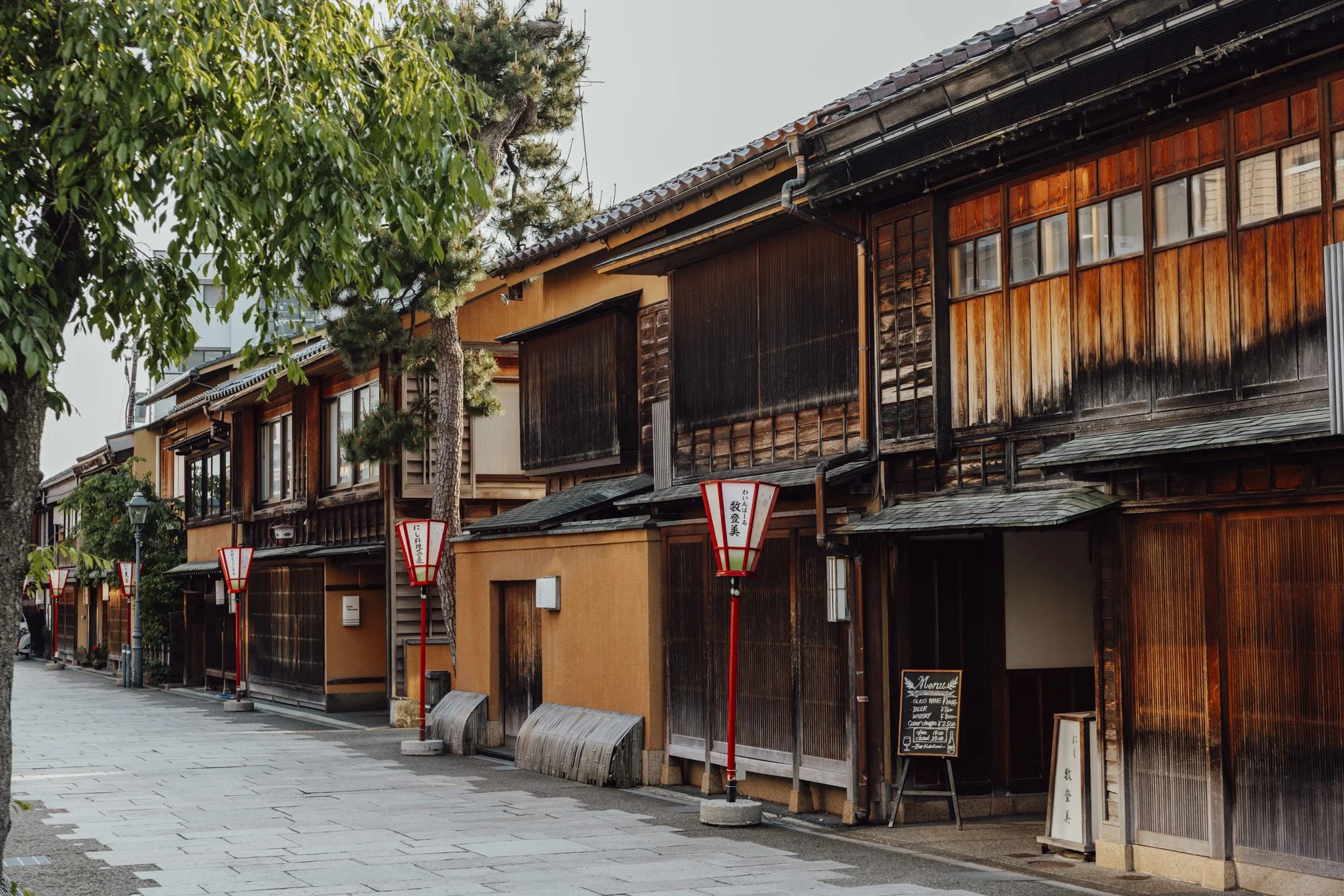
Kanazawa is often dubbed ‘Little Kyoto’ due to its historic teahouse districts, two of which are located on opposite sides of the Asano River. Start in the Kazuemachi Chaya District, which captures Kanazawa’s historic charm in a more intimate, less commercial setting than nearby Higashi Chaya.
Narrow lanes of ochre-toned machiya, wooden lattices, and swaying lanterns create a timeless atmosphere, while geiko still perform here, preserving a Meiji-era tradition. The scenery shifts beautifully with the seasons, think cherry blossoms in spring, lush greenery in summer, fiery leaves in autumn, and snow-dusted stillness in winter.
Then, head across the Asanogawa Bridge to uncover the charm of Higashi Chaya, the largest of Kanazawa’s teahouse districts. I always feel transported back to the Edo Period as I wander around the streets of Higashi Chaya. Restored wooden machiya have a new lease on life as restaurants and cafes, stores selling handcrafted goods, and sake brewers.
Kazuemachi District
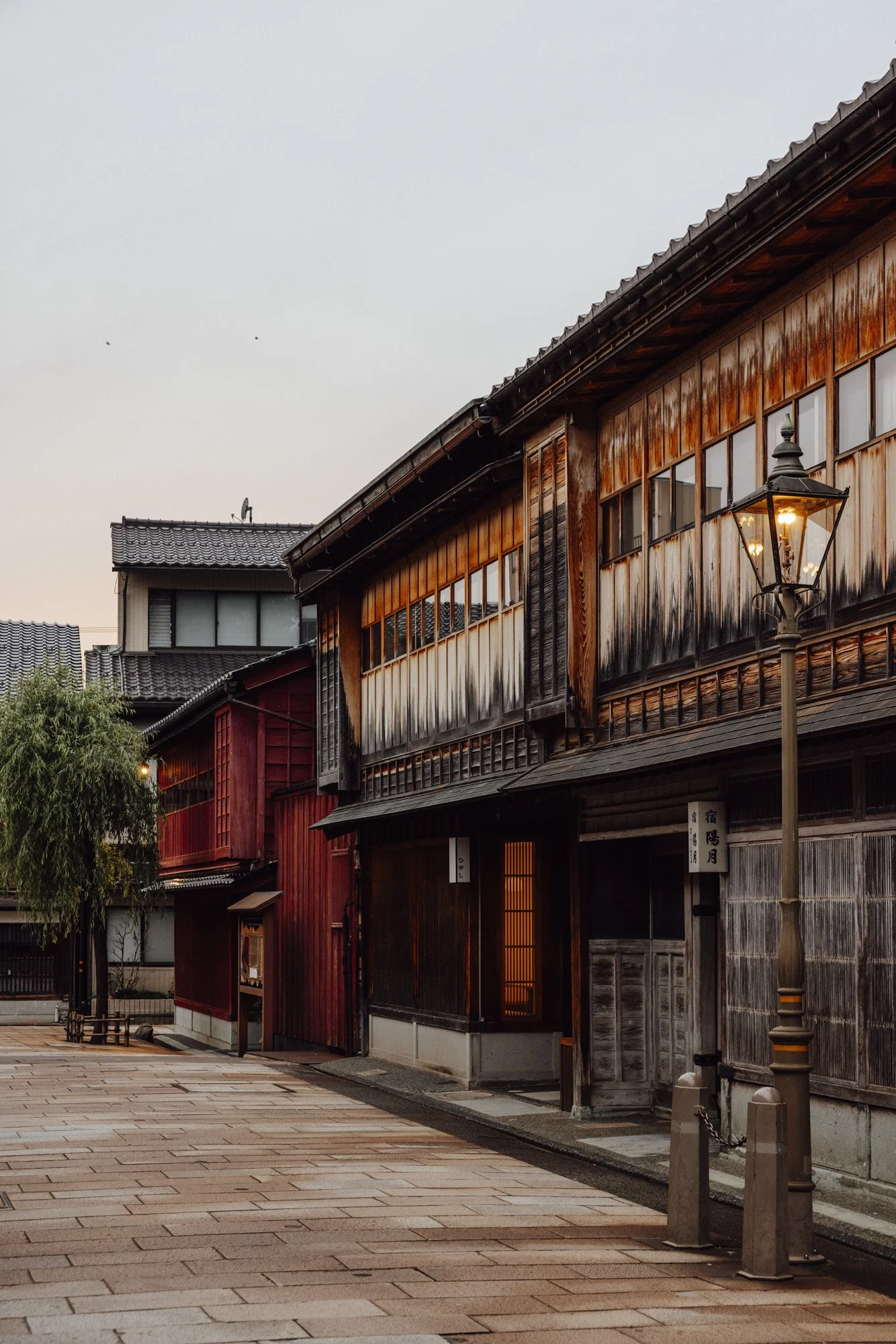
Higashi Chaya Teahouse District
Take your time to soak up the atmosphere, but I recommend a few key stops during your time here.
Visit traditional teahouses, Shima or Kaikaro | Step inside authentic 19th-century teahouses to see how geiko entertained guests, enjoy matcha or sweets at Kaikaro while admiring historic interiors.
Try gold leaf treats and crafts | Sample Kanazawa’s famous gold-leaf ice cream or browse gold-infused snacks and souvenirs unique to the city. One of my most memorable activities was a private gold leaf workshop hosted by Kanazawa Shitsurae at Cafe Yanagian.
Explore local craft and souvenir shops | Discover Kaga Yuzen dyed silk, Kutani-yaki porcelain, lacquerware, fans, and other traditional Kanazawa crafts. This is the perfect place to pick up a locally made souvenir that reflects the city’s deeply ingrained craftsmanship.
Sake tasting at Fukumitsuya or Higashiyama Syuraku | Experience Hokuriku’s regional sake with guided tastings and learn about local brewing traditions. You can also enjoy an umeshu tasting at Higashiyama Syuraku if sake isn’t for you.
Visit Utasu Shrine | A peaceful shrine tucked at the back of the district dedicated to the god Utatsu, offering insight into Kanazawa’s spiritual and historic culture.
Experience evening ambience and night walks | Lantern-lit streets and softly illuminated facades create a serene, cinematic atmosphere after sunset, especially once the day’s crowds have faded.
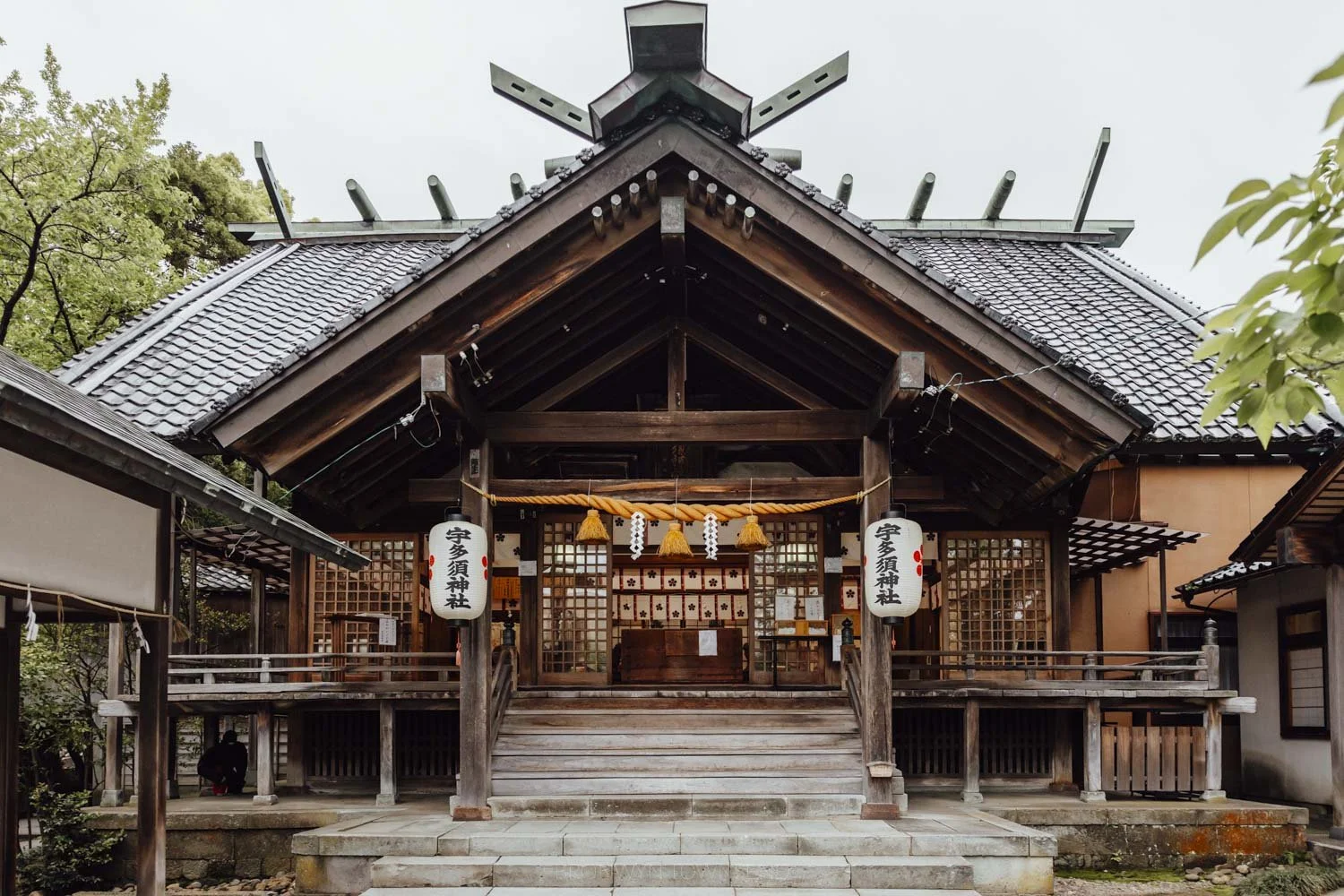
Utasu Shrine in Higashi Chaya
Dinner at Fuwari
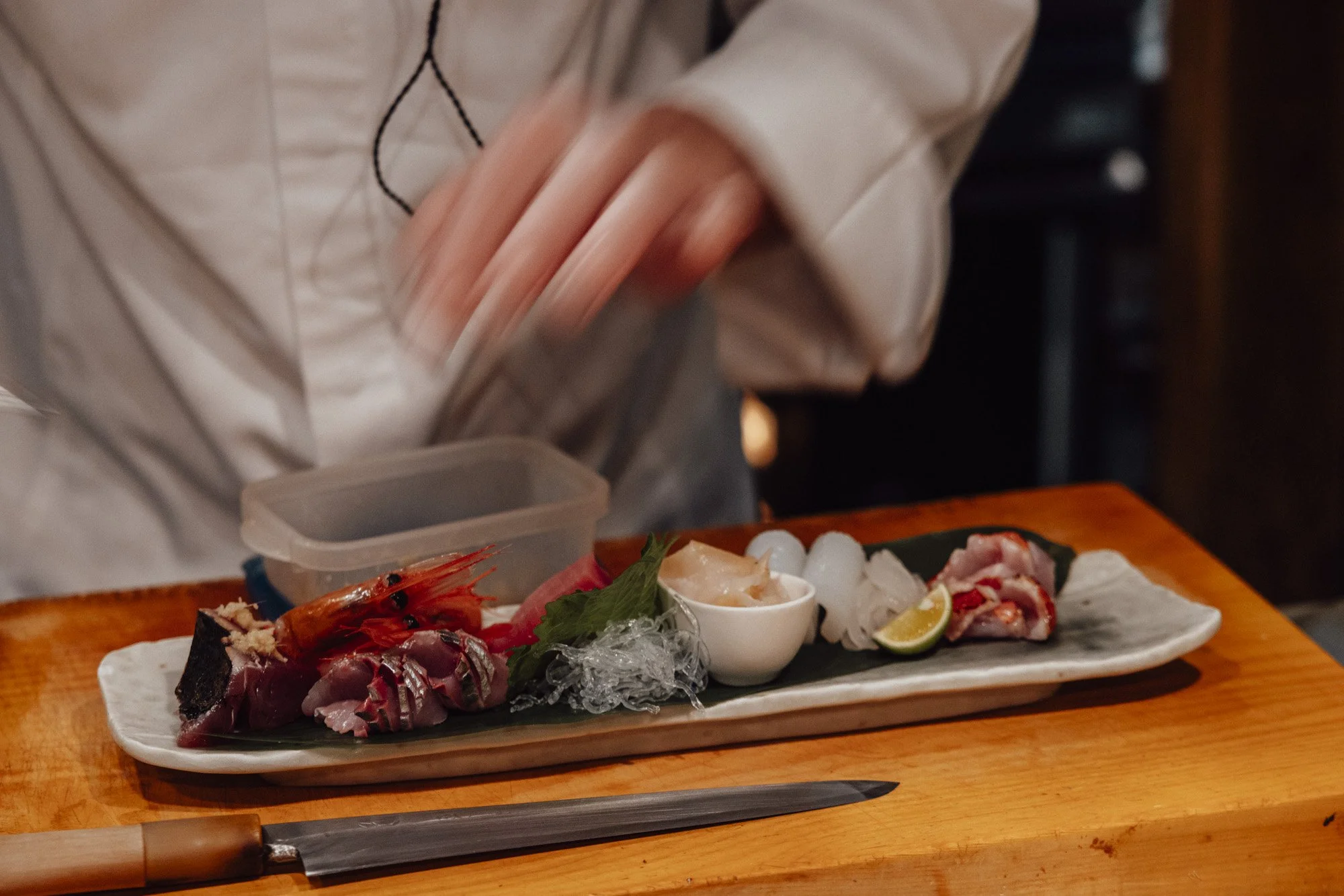
Look for the lantern outside a modest wooden townhouse, that’s Fuwari. Step inside and the city’s noise fades, replaced by the hum of chefs at work, clattering plates, and friendly chatter. This two-storey machiya pairs Kanazawa’s fresh seafood with a relaxed izakaya vibe, making it one of the city’s must-visit spots.
Downstairs, you can watch sashimi being sliced, tempura tossed, or wagyu seared to perfection. In winter, don’t miss the snow crab, and pair anything with a glass of local sake for a true taste of the region. Fuwari isn’t just a meal — it’s one of my local favourites that keeps me coming back.
Day 2 | Samurai Spirits & Modern Moments
Nagamachi Samurai District
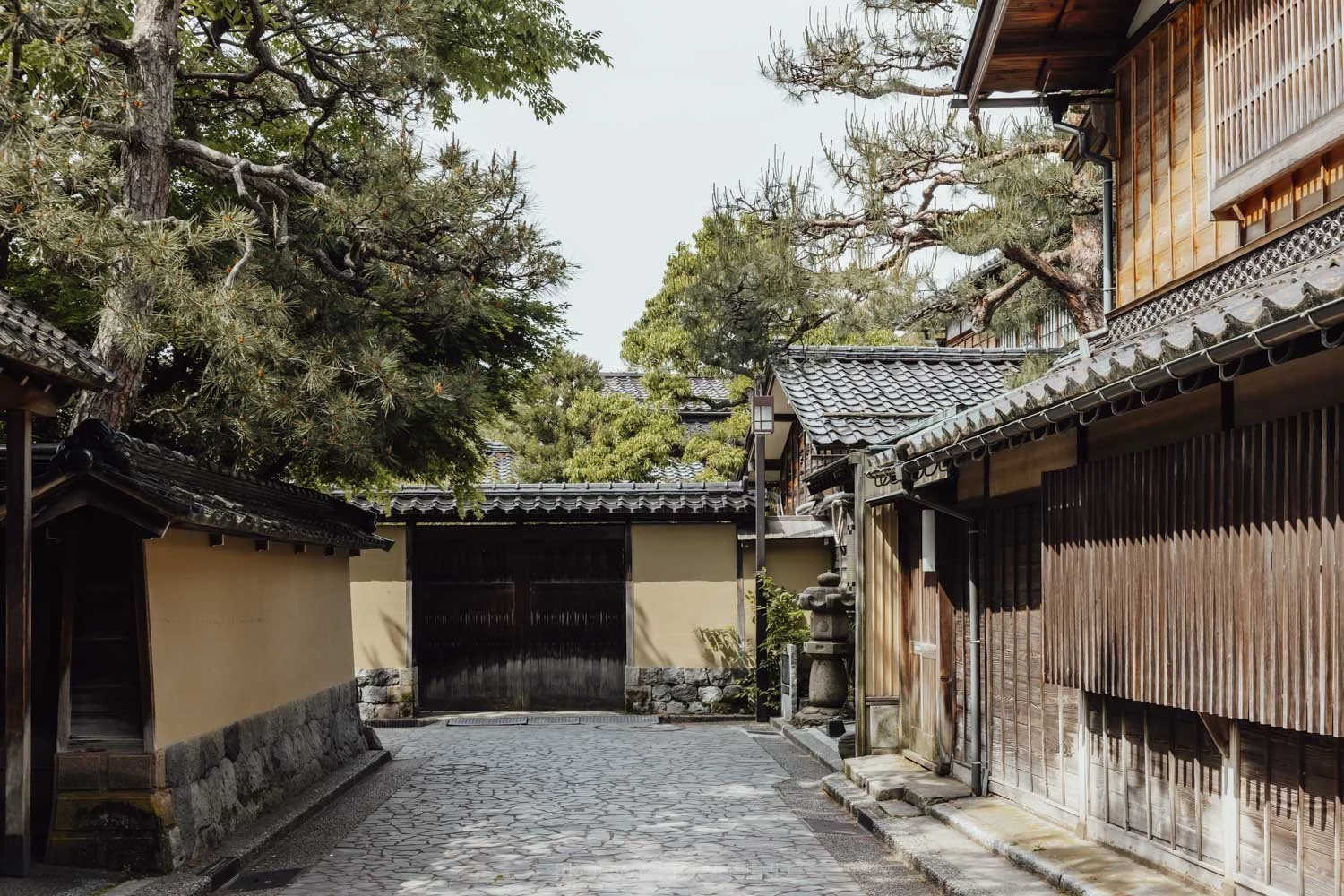
Set at the foot of Kanazawa Castle, Nagamachi offers one of the city’s most evocative glimpses into samurai-era life. Narrow flagstone lanes wind past tsuchi-kabe earthen walls, traditional gates, and small canals that once supplied water to samurai households.
If you aren’t eating breakfast at your hotel, either stop by Hirami Pan for delicious baked goods, or have a wholesome breakfast and a hojicha latte at isotope, which is a lovely cafe near the Katamchi end of Nagamachi.

A highlight is the Nomura-ke Samurai Residence, one of the best-preserved homes in the area. Inside, displays of armour, calligraphy, and family heirlooms reveal the lifestyle of a high-ranking samurai family. The compact but exquisitely designed garden with koi ponds, stone lanterns, and carefully placed maples is considered one of the finest private gardens in Kanazawa.
Also worth visiting is the Senda-ke Residence, a recently opened former samurai home that provides a more intimate look at daily life. Thoughtfully preserved and curated by descendants of the family, it features personal artefacts and a small strolling garden inspired by the aesthetics of larger feudal gardens.

Nomura-ke Samurai Residence
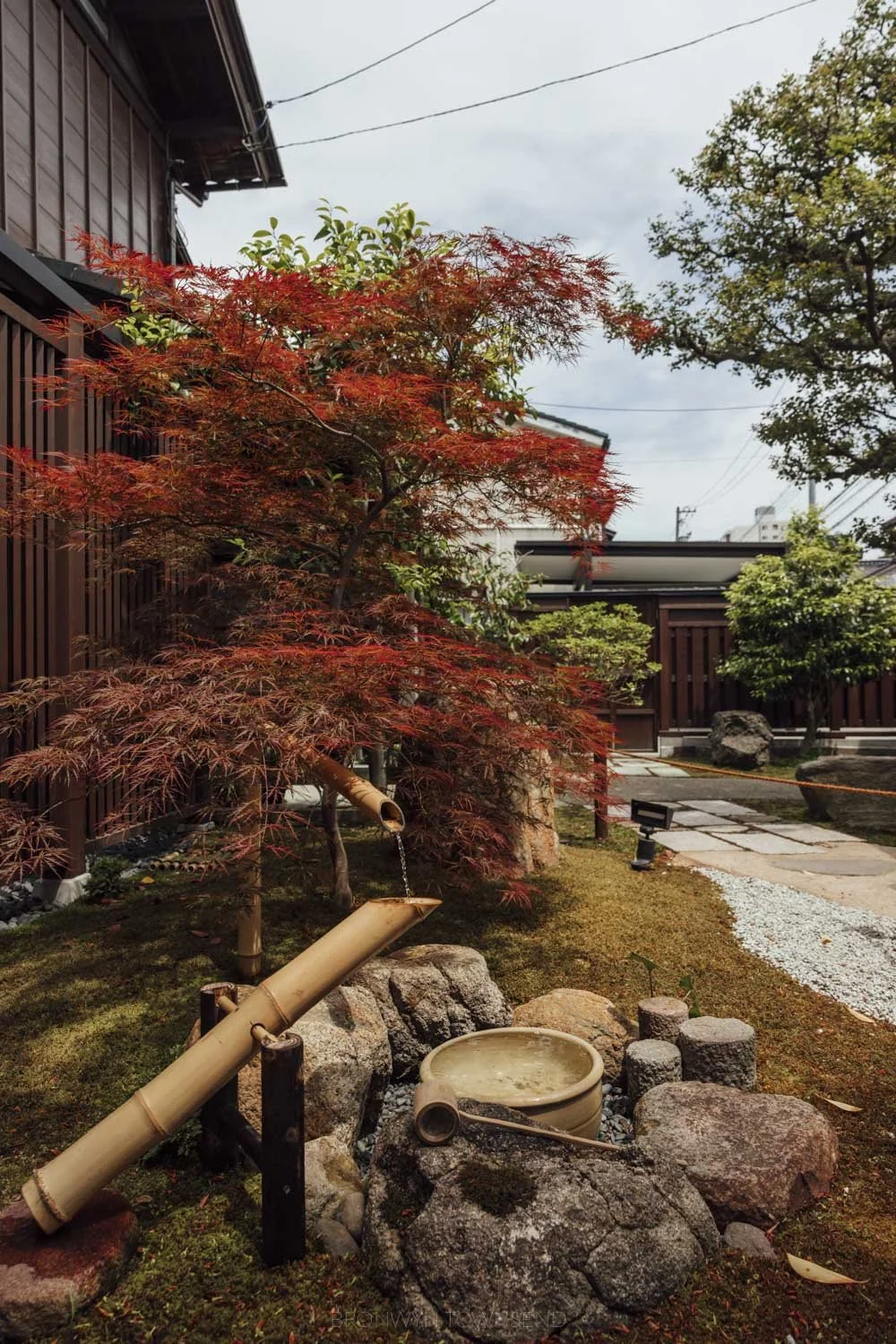
Senda-ke Residence
Nagamachi has several other points of interest that offer a look into this well-preserved pocket of Edo-era Kanazawa:
Ashigaru Shiryokan Museum | Showcasing the homes and lives of ashigaru, the foot soldiers in the samurai hierarchy, the museum consists of reconstructed houses and exhibits that offer a contrast with the grander samurai homes, such as Nomura-ke.
Kyu-Kaga Hanshi Takada Family House | A restored row house featuring a lovely stroll garden around a pond and typical samurai architecture.
Nagamachi Yuzen-kan | Discover the art of Kaga Yuzen, a traditional silk-dyeing technique, up close and even try your hand at traditional silk crafts, plus purchase unique souvenirs.
Shinise Kinenkan Museum | Once a merchant pharmacy, this museum reveals the everyday life and craft traditions of local merchants who lived alongside samurai.
Before leaving, browse Nagamachi’s craft shops and galleries, many of which specialise in Kutani ware. This colourful local porcelain, known for its bold five-colour palette, connects the district’s samurai heritage with Kanazawa’s long tradition of artistry. Even if you’re not shopping, small gallery spaces offer a chance to appreciate the craftsmanship up close. I always come home with something new to add to my collection.
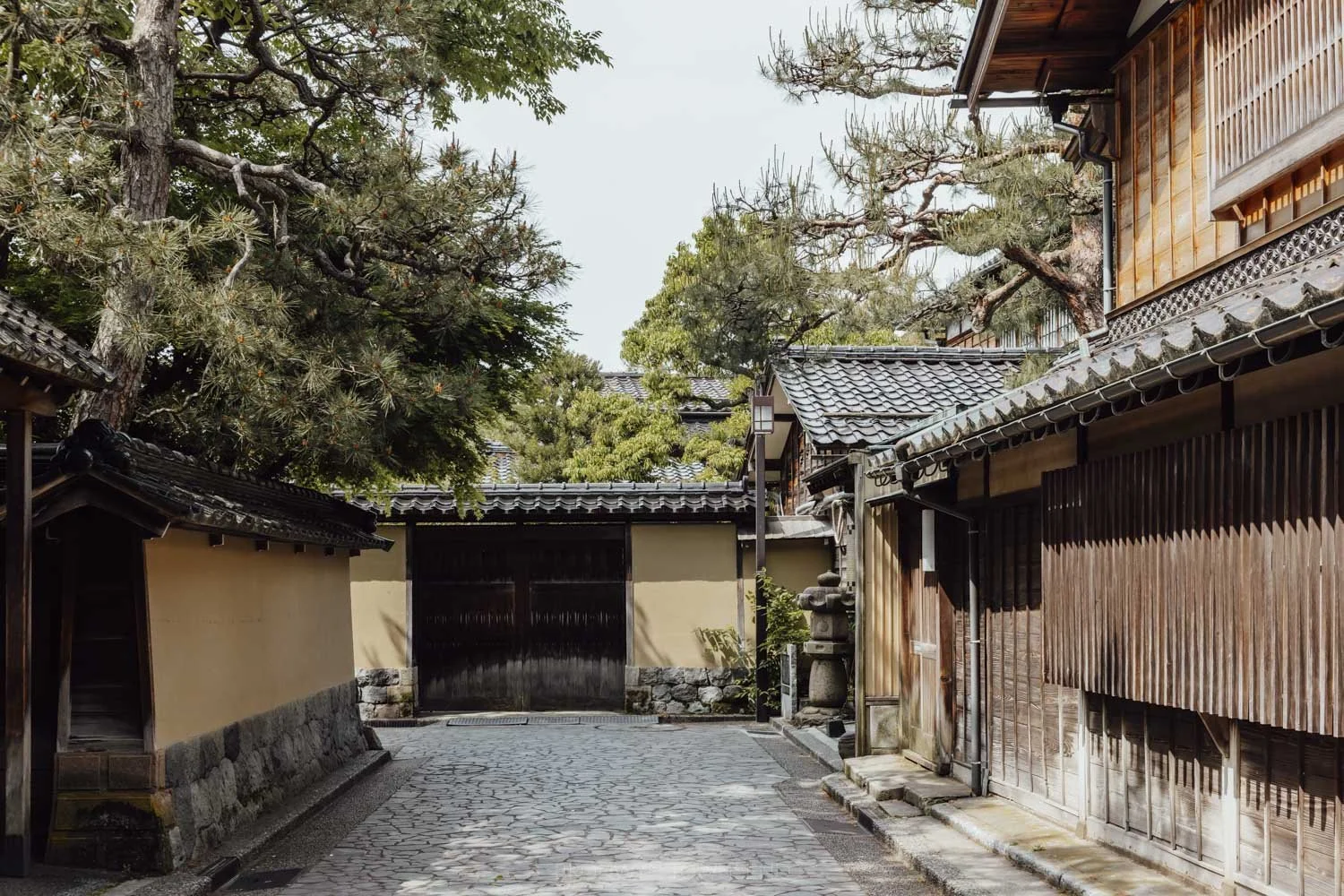
Nishi Chaya District and Myouryuji Temple
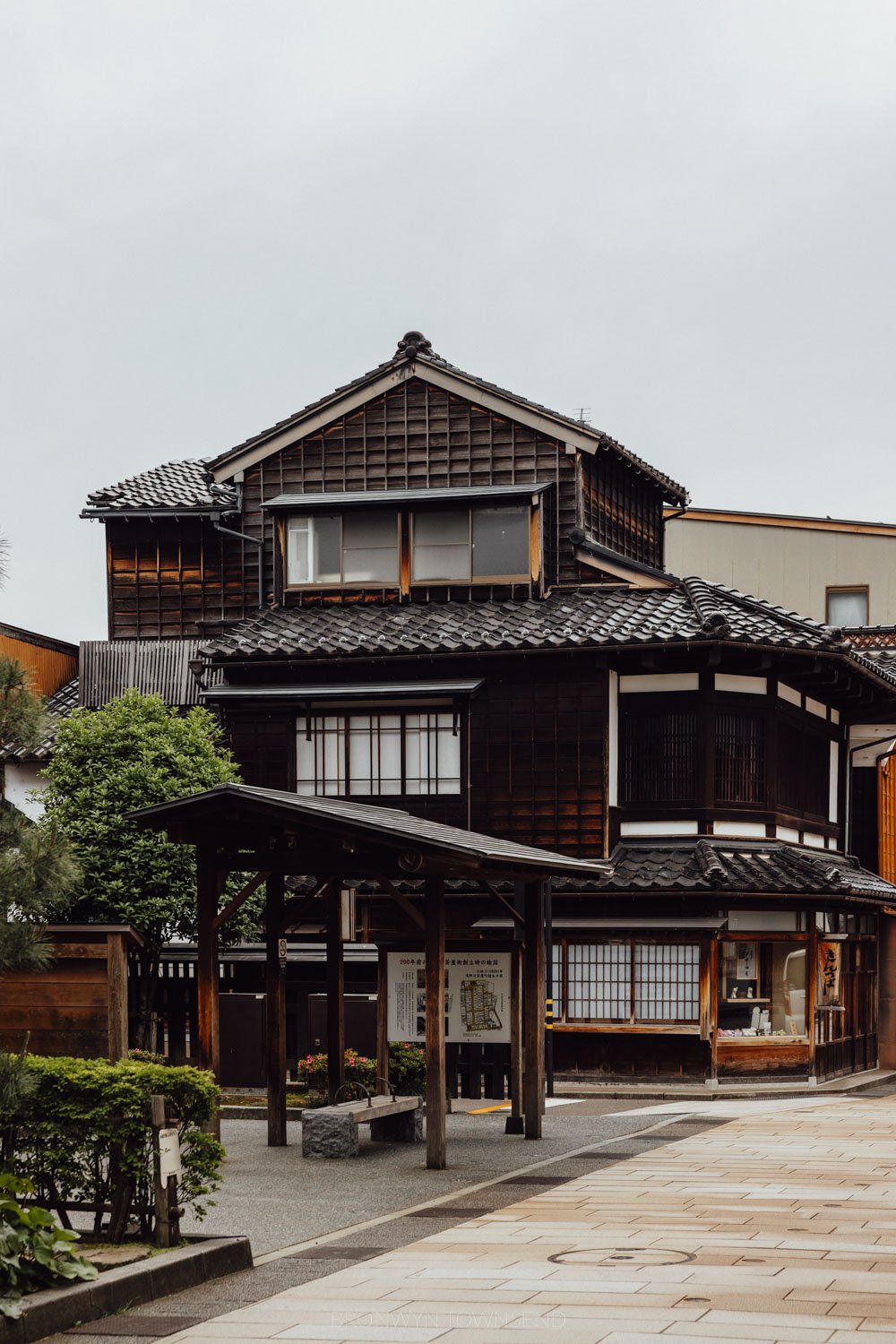
After an hour or two exploring Nagamachi, make your way across the Sai River and wander through the third and final of Kanazawa’s preserved tea houses districts, Nishi Chaya. Compact and the least commercialised, it lends itself to a more peaceful experience. The Nishi Chaya Shiryokan Museum has a collection of geisha accessories, musical instruments, and photos that showcase the area's golden era.
Nishi Chaya District
After that, take the short walk over to Myuoryuji Temple. Often nicknamed the ‘Ninja Temple’, this temple actually has nothing to do with ninja. Built in 1643 by the Maeda clan, Myoryuji doubled as a covert defensive outpost during a time when rival domains were under strict watch by the Tokugawa shogunate. Its exterior is deceptive, appearing modest. However inside you’ll find a multi-level maze-like interior with hidden staircases, secret rooms, and trapdoors.
You can only visit with a guided tour, and these can book out so ask your hotel to help you arrange this when you first arrive. Tours last around 40–60 minutes, and while conducted in Japanese, English materials are provided. It’s a memorable stop for anyone curious about the ingenuity behind Japan’s feudal-era architecture.
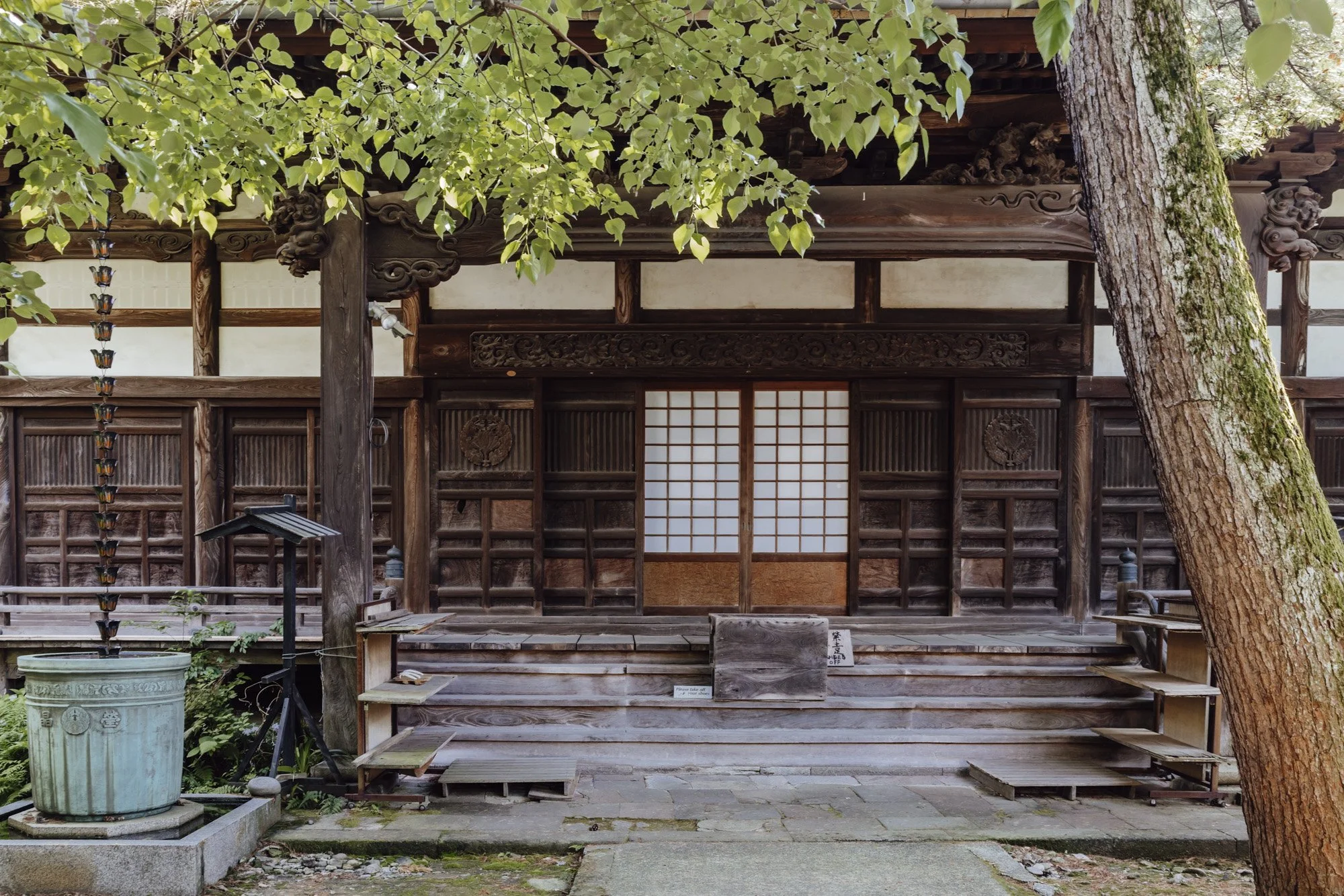
Myuoryuji ‘Ninja’ Temple
21st Century Museum of Art
Head back towards downtown, and just a short walk from Kenroku‑en, you’ll find yourself at the 21st Century Museum of Contemporary Art. Unlike Kanazawa’s historic samurai streets and teahouse districts, this circular building immediately stands out for its modern architecture and unique layout.
Designed by Kazuyo Sejima and Ryue Nishizawa of SANAA, it has no traditional front or back, inviting visitors to wander in from any angle and explore art on their own terms.
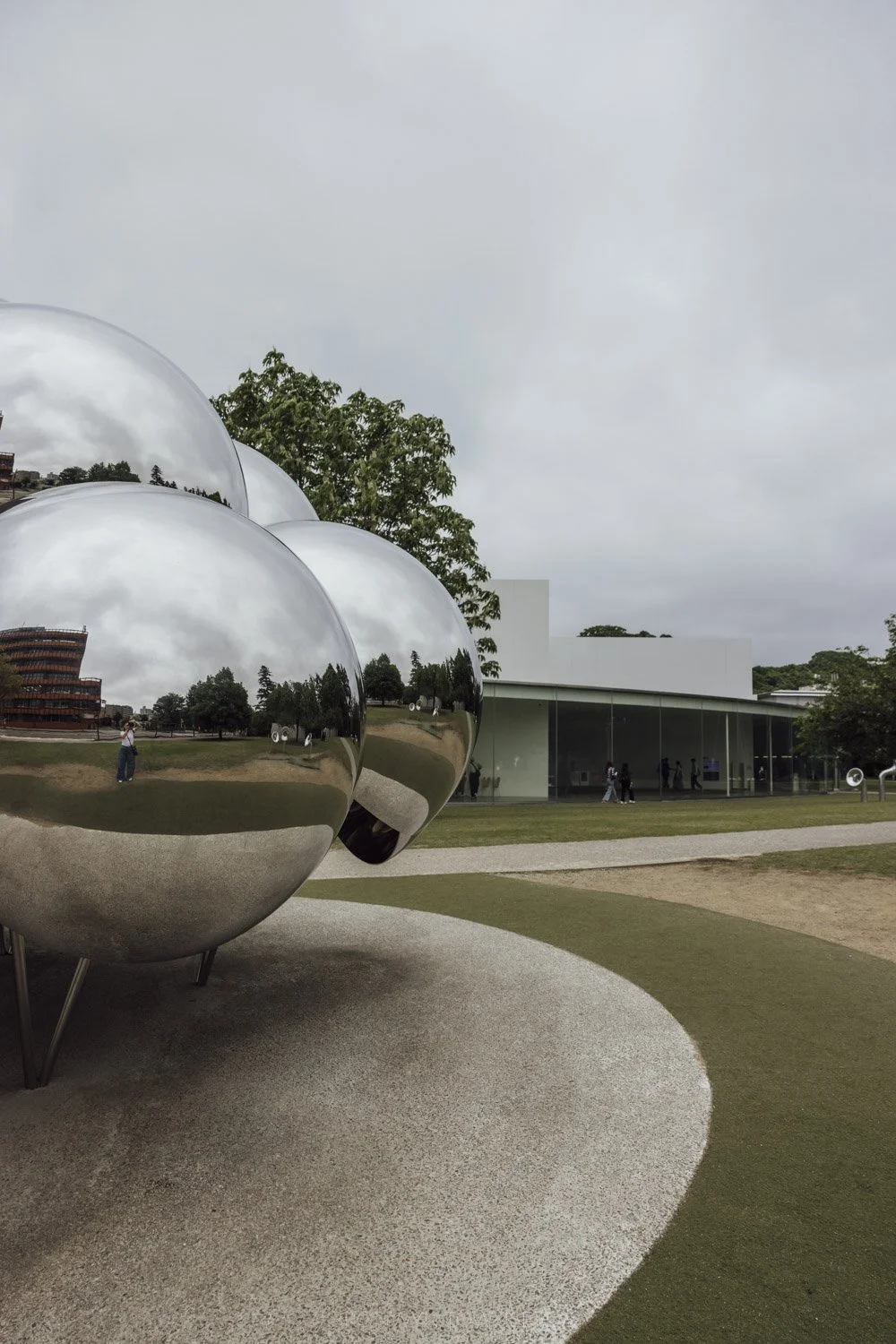

Inside, the museum mixes rotating exhibitions with striking permanent pieces. You can step into Leandro Erlich’s Swimming Pool, a surreal illusion that makes it look like you’re peering beneath water, or experience James Turrell’s Blue Planet Sky, where shifting light turns the sky into a moving canvas. Patrick Blanc’s Green Bridge is one of my favourite works, where a glass hallway overlooking a vertical garden that evolves with the seasons, blending nature and architecture in a quiet, meditative way.
Even outside the galleries, art feels part of everyday life. Installations around the grounds are free to explore, while open lawns and transparent walls create a calm, shared space that makes the museum feel welcoming and alive rather than formal.


You need to book a timed entry to visit the swimming pool exhibit if you want to go below the surface. Register using the details when you first arrive, and keep an eye out for when your slot is coming up while you admire the other works around the museum. I had to wait around 90 minutes, which was perfect since I registered as soon as I arrived and covered everything else while I waited.
Ishiura Shrine
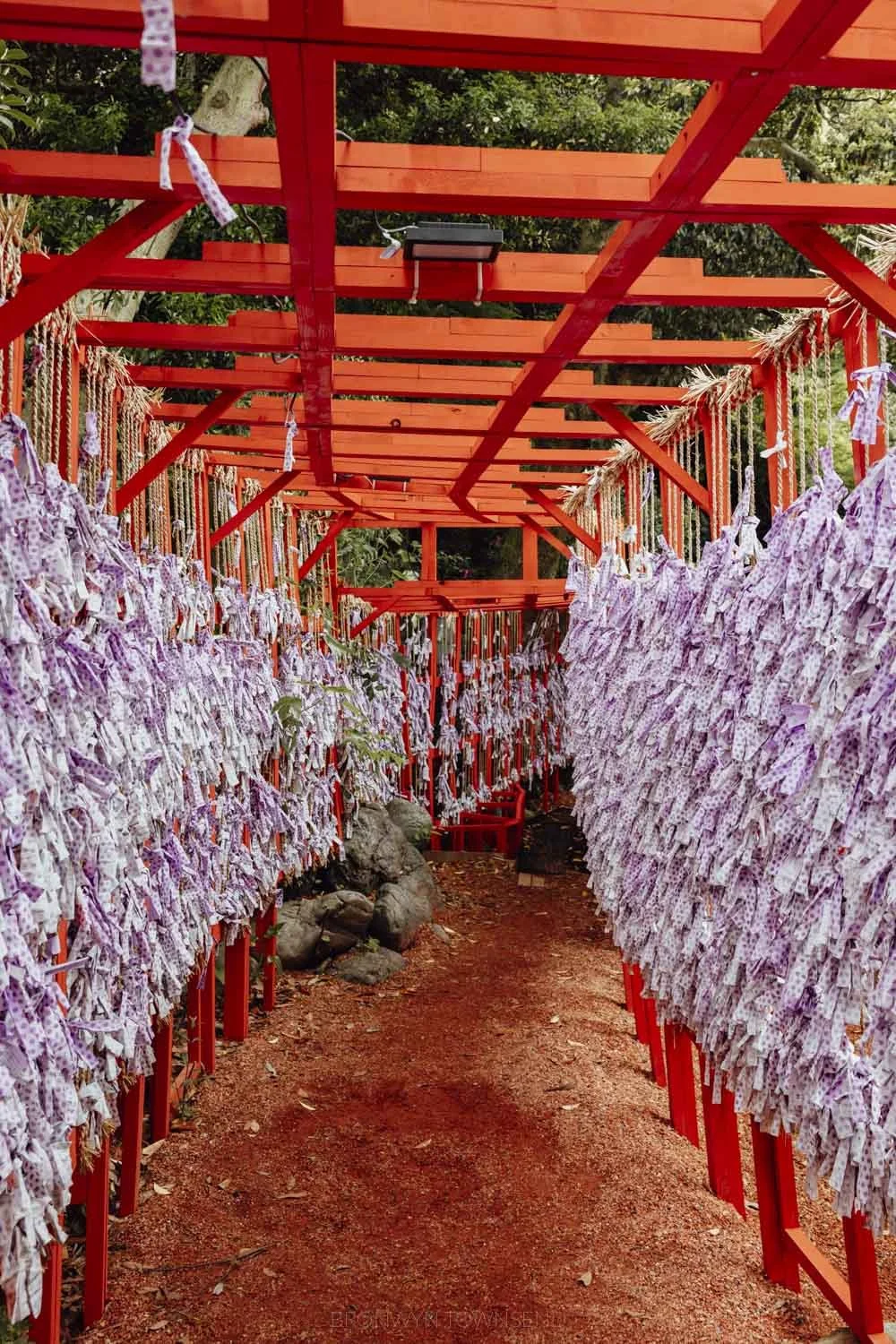
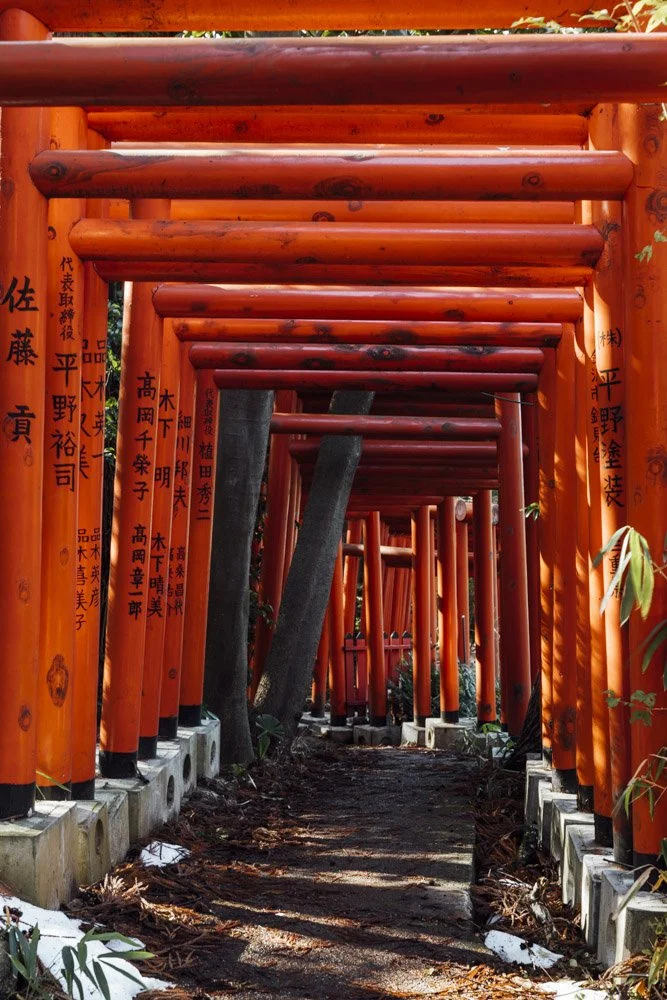
Just opposite the 21st Century Museum of Art, Ishiura Shrine sits quietly beneath a canopy of towering trees. Believed to be Kanazawa’s oldest shrine, it’s best known for its tunnel of bright vermillion torii gates and is especially popular with visitors seeking blessings for love and matchmaking. Many come to pray for finding a soulmate or strengthening a relationship, making it a small but meaningful stop for those curious about local spiritual traditions.
You won’t need too long here, but you can get omakuji (fortune), Kama-chan omamori (the shrine’s mascot), and goshuin if you visit during the shrine’s office hours.
Katamachi
Wrap up your day in Katamachi. The thriving downtown area of Kanazawa is known for dining, bars, and shopping. At night, neon signs flicker to life and the streets fill with both locals and visitors, creating a lively, urban atmosphere that contrasts sharply with the serene teahouse and samurai districts.
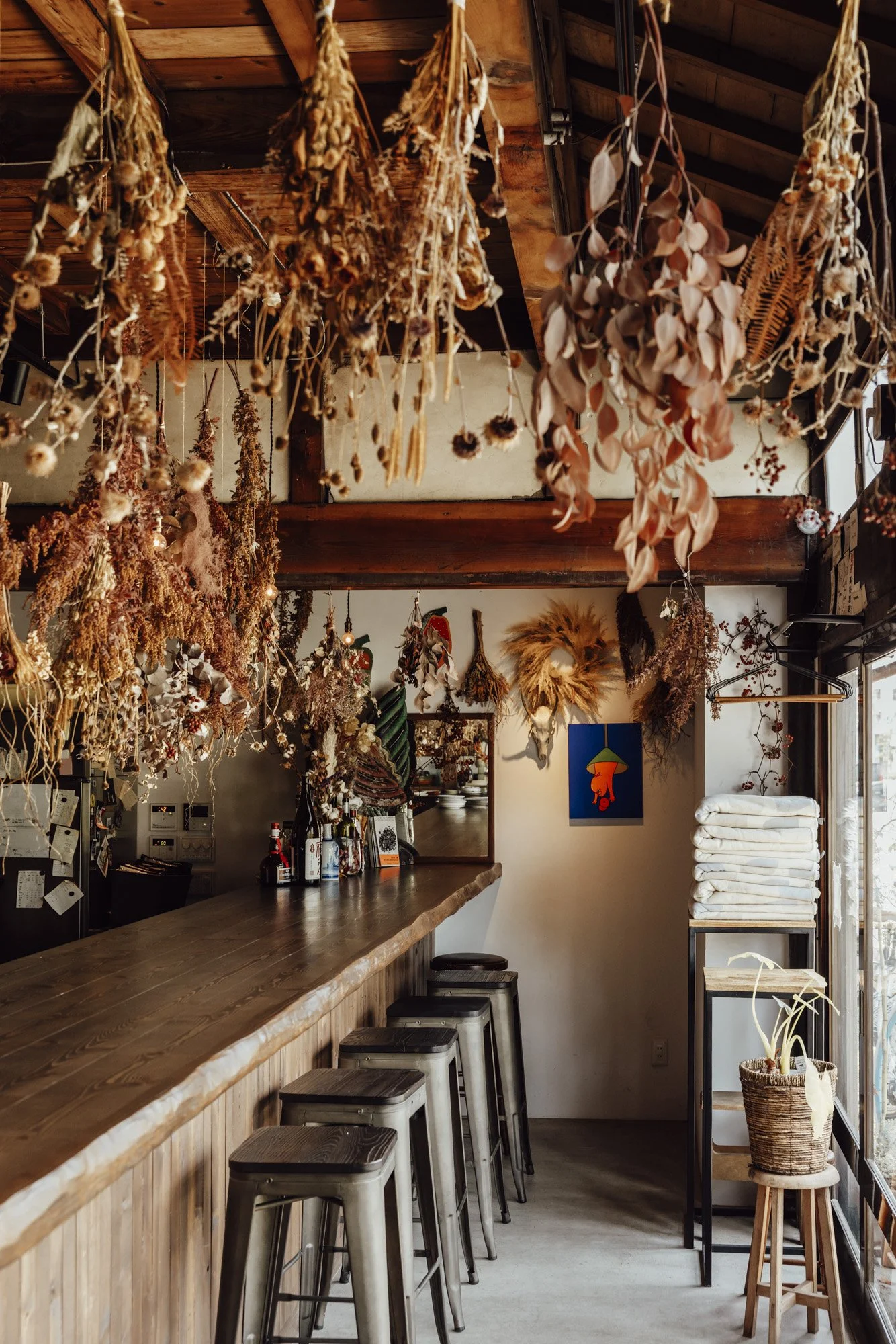
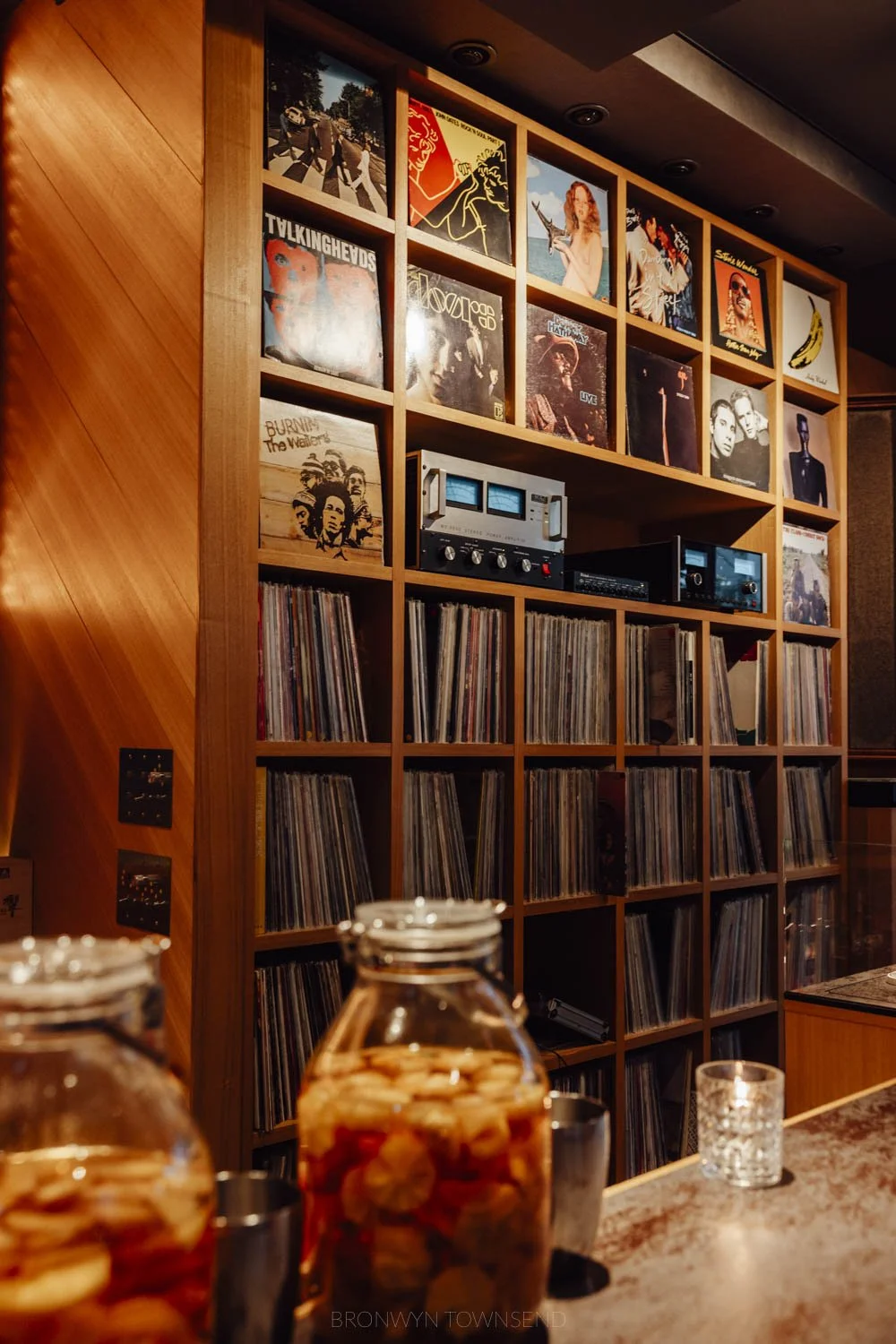
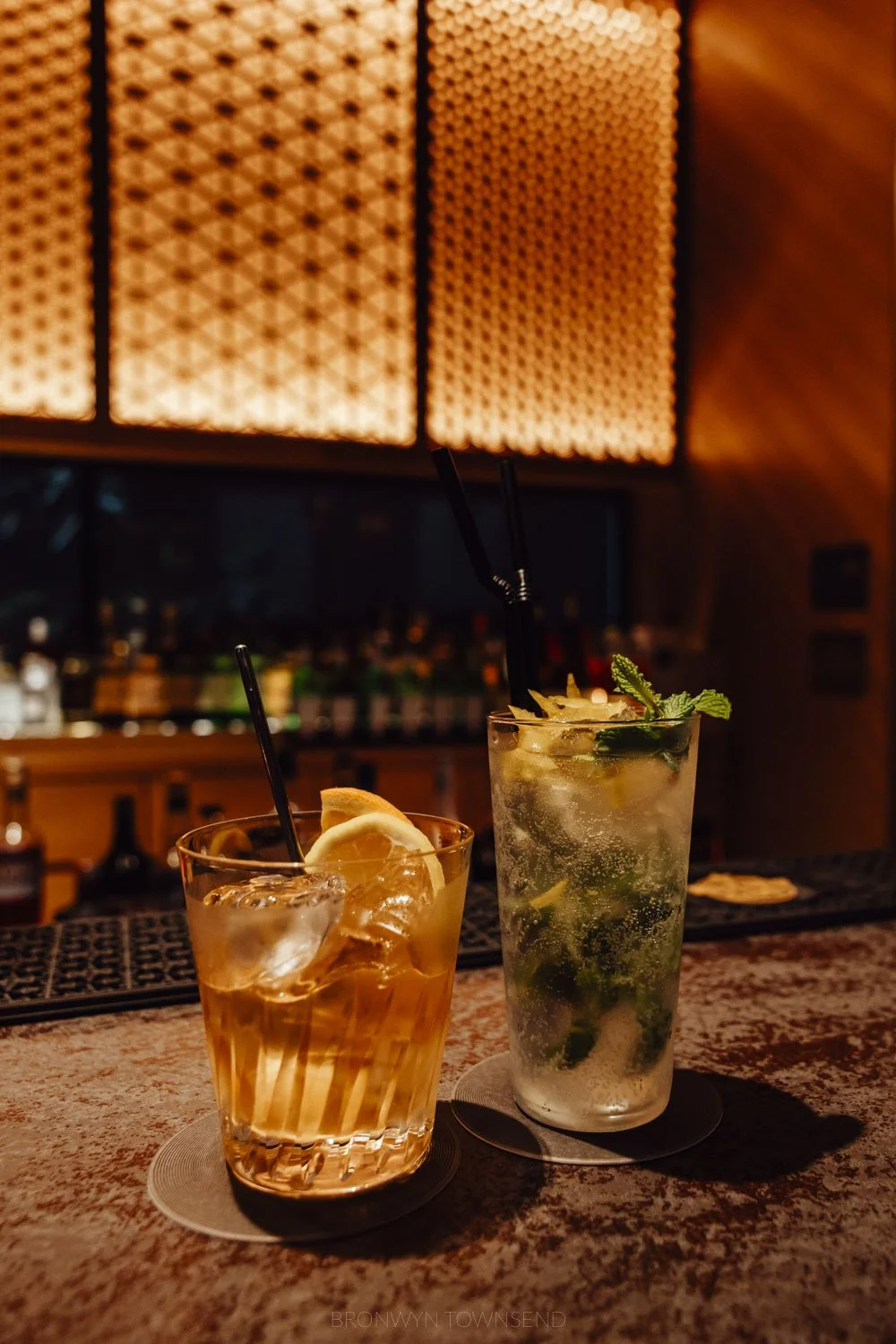
Food lovers will find plenty to explore here. From casual izakayas serving fresh seafood and seasonal Kanazawa specialties, to ramen shops, and sushi counters, there’s something for every appetite. Many restaurants stay open late, making it a prime spot for dinner or a relaxed evening snack. Music Bar is a great space for a drink, where they play vintage records and serve delicious cocktails inspired by local ingredients.
Kanazawa Music Bar
Kanazawa Music Bar
If you’re looking for a spot of nostalgia for your evening, then head to Chuo Mishokugai. This area reminds me a little of Golden Gai in Tokyo, with around 20 small bars and izakaya-style spots, each with just a few seats. With a Show-era feel, this is perfect if you want to skip the more modern spots in town.
Alternatively, if you’d like to grab dinner and then head back to your hotel. I recommend Kanazawa Curry Laboratory at Omicho Market or Ramen Taiga, which is about a 7-minute walk from Kanazawa Station.
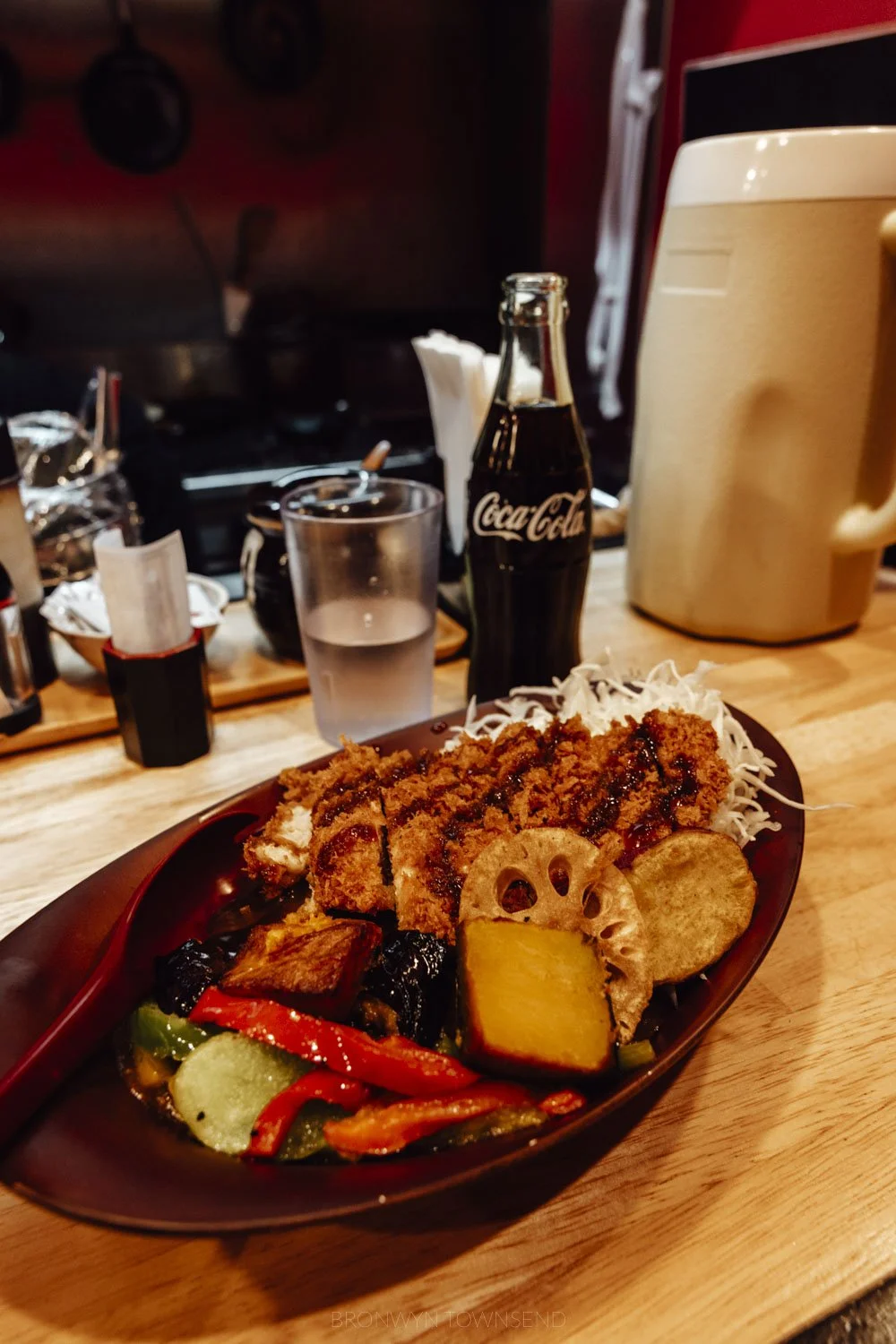
Dinner at Kanazawa Curry Laboratory
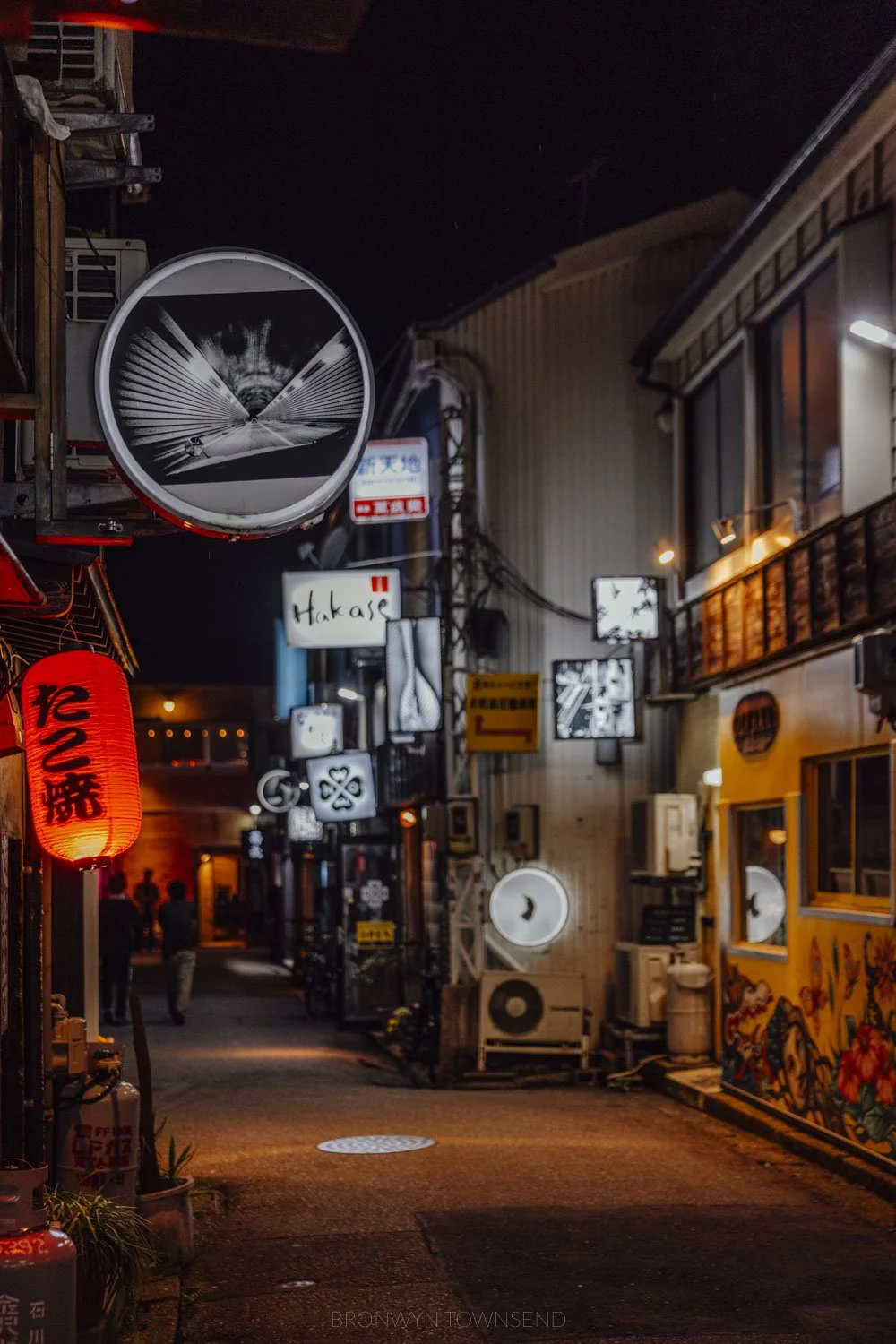
Chuo Mishokugai
How to get around Kanazawa
My favourite way to get around Kanazawa is walking everywhere, however sites can be fairly spread out. Depending on where you choose to stay in Kanazawa and your own preferences, you may want to make the most of the Kanazawa Loop Bus route that connects the most popular attractions in Kanazawa.
The bus operates in both directions, so you can choose whichever best fits your itinerary. Buses run every 15-20 minutes between 8:30am and 6pm, and connect Kanazawa Station with destinations around the city, including Omicho Market, Higashi Chaya District, and Kenrokuen Garden.
How to pay for the bus in Kanazawa
A single journey costs 220 yen, or you can purchase a one-day pass for 800 yen, which is economical if you plan on taking multiple trips via the Loop bus. To pay for a single ride fare, you can tap your credit card or IC card when getting on and off, or show your one-day pass to the driver. Passes are not sold on the bus, so you will need to purchase in advance at various locations around the city including Kanazawa Station, the Tourist Information Centre, and at several major hotels.
Where to stay in Kanazawa
I prefer to stay central when I’m in Kanazawa, with my top choice being around the Omicho Market area. I loved my stay at SOKI Kanazawa, which was opposite the market and was the perfect retreat after a day of sightseeing. I’ve also spent time at the Square Hotel, which is also in the Omicho Market area. For more recommendations, check out my complete Kanazawa accommodation guide to find the best area and hotel for your stay.
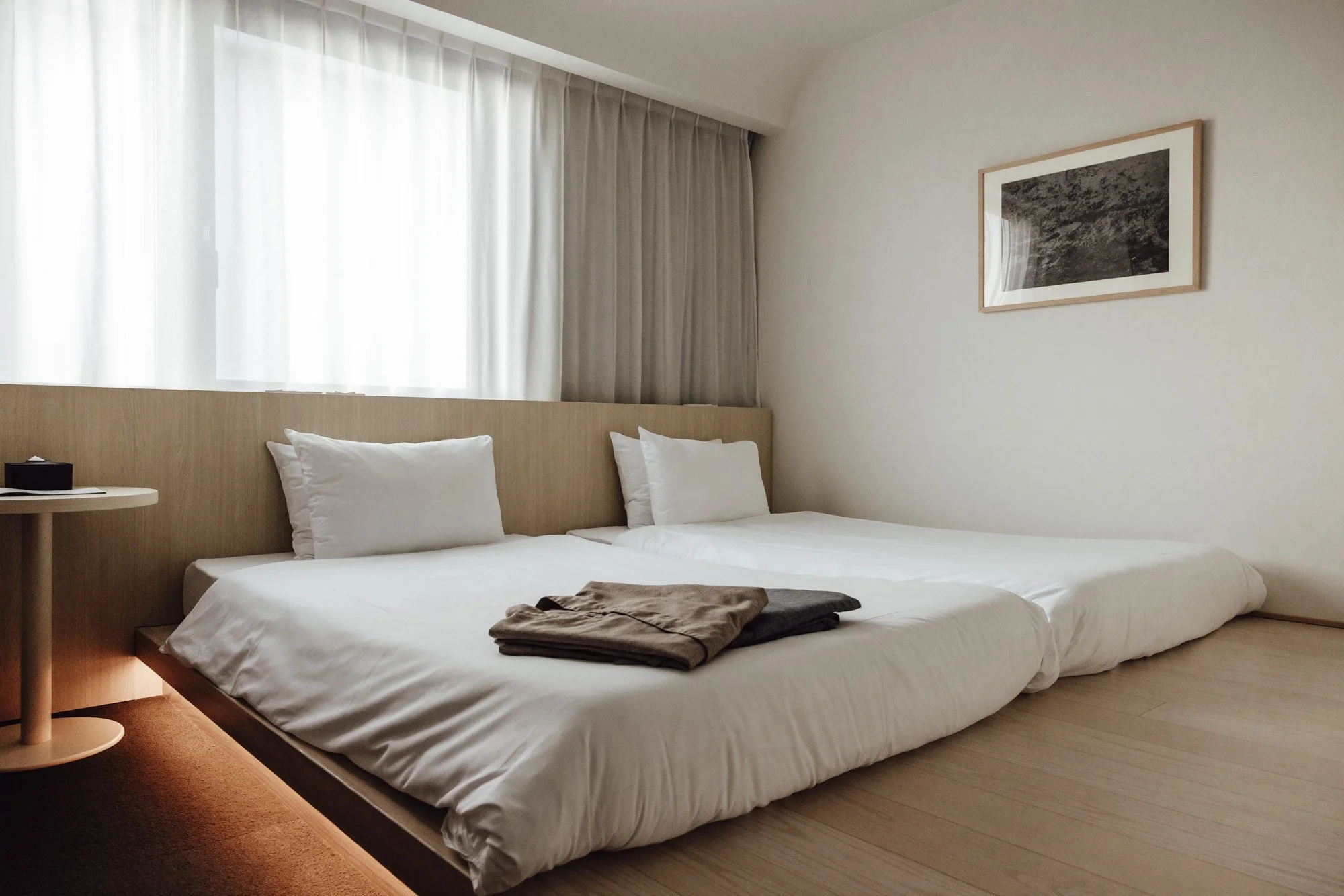
Room at SOKI Kanazawa
Is 2 days in Kanazawa enough?
Kanazawa is a smaller city, but there is so much to see and do, so two days is the absolute minimum I’d recommend spending in Kanazawa. If you plan on taking day trips to nearby places like Kaga Onsen, Shirakawago, or Takayama, I’d recommend 5-6 days and using Kanazawa as a base.
What next?
Not sure how to plan your itinerary with Kanazawa? Start with this 10-day Golden Route alternative
Plan where to stay in Kanazawa with this area and hotel guide
More time in Kanazawa? Discover the best things to do in the city
Get your essentials sorted for Japan
Packing guides | Pack for autumn in Japan, winter packing list
Should you buy the JR Pass? Read my guide to find out
Things you should know before travelling to Japan
Trying to choose between pocket wifi or an esim? Read this first






Take the confusion out of where to stay in Tokyo with this comprehensive guide to the best areas and hotels in Japan’s capital with recommendations.